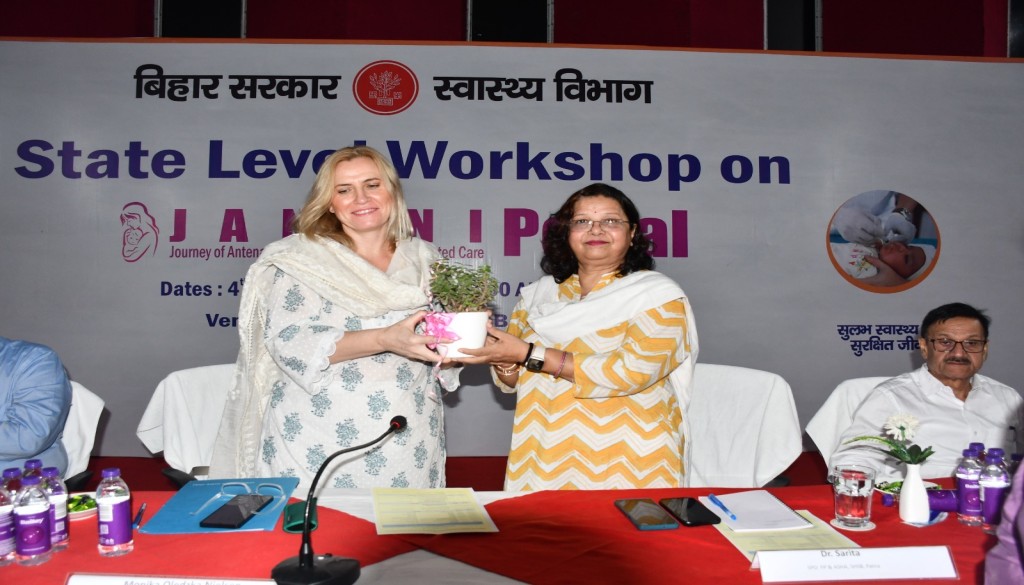
Bodh Gaya/Patna: Bihar government has taken a step towards strengthening maternal and child healthcare services through the JANANI Portal (RCH 2.0), a digital platform developed to improve beneficiary tracking, service delivery and monitoring across the state.

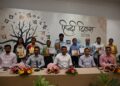
A two-day State-Level Review-cum-Orientation Workshop on the platform concluded at Sambodhi Retreat in Bodh Gaya. The programme was organised by the State Health Society, Bihar, in collaboration with the Union Ministry of Health and Family Welfare and UNICEF.
Focus on Digital Healthcare Delivery

The JANANI platform has been developed with technical support from UNICEF to support Reproductive, Maternal, Newborn, Child and Adolescent Health (RMNCAH) services.
Key features include beneficiary tracking, QR-enabled Mother and Child Health Cards, automated alerts for high-risk pregnancies, due-list generation and real-time monitoring dashboards.
Officials said the platform is expected to improve healthcare access and strengthen service delivery for mothers and children across Bihar.
Officials Review Progress
The workshop brought together district health officials, programme managers, Health Management Information System (HMIS) personnel and development partners to review implementation progress and build operational capacity.
The programme began with a welcome address by Arvind Kumar, system analyst-cum-data officer at the State Health Society, Bihar.
Monica Nielsen, chief of UNICEF Bihar Field Office, said the platform represents a transition from paper-based systems to an integrated digital framework capable of tracking mothers and children throughout the continuum of care.
She said the system would support real-time monitoring, improve data-driven decision-making and help ensure timely health services for beneficiaries.
Training on Key Portal Functions
Technical sessions led by experts from the Ministry of Health and Family Welfare and UNICEF focused on various functions of the portal.
Participants received training on beneficiary search, migration of records from the previous RCH platform, beneficiary registration, face authentication, antenatal care services, high-risk pregnancy tracking, ultrasound monitoring, delivery preparedness, delivery outcomes and child registration.
Special emphasis was placed on improving HMIS data quality, strengthening infrastructure and human resource reporting, and enhancing planning through real-time health data.
Integration With National Health Platforms
The second day of the workshop covered postnatal care, Home-Based Newborn Care (HBNC), Home-Based Young Child Care (HBYC), family planning services, ASHA registration, referral management and Village Health, Sanitation and Nutrition Day (VHSND) modules.
Participants also received practical training on field-level implementation of the portal.
Additional sessions focused on integration with national digital health initiatives, including the Ayushman Bharat Health Account (ABHA), Health Facility Registry (HFR), Health Professional Registry (HPR), POSHAN and U-WIN.
Discussions were also held on Mobile Academy, Kilkari and the Mother Child Tracking and Facilitation Centre (MCTFC), which support beneficiary communication and service delivery.
District Experiences Shared
District teams from Patna, Rohtas and other districts presented implementation experiences, operational challenges and best practices, enabling knowledge-sharing among participants.
The workshop concluded with a review of progress made so far, discussions on strengthening HFR and HPR implementation, beneficiary registration and participant feedback.
Officials and stakeholders reaffirmed their commitment to accelerating the rollout of the JANANI platform across Bihar.
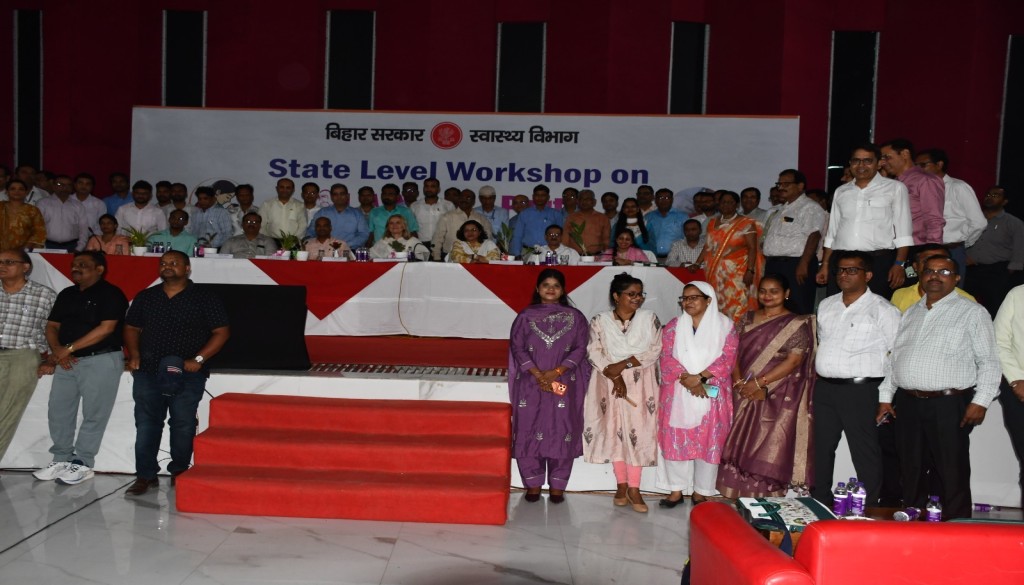
The event was attended by representatives of the Ministry of Health and Family Welfare, State Health Society Bihar, UNICEF and district health administrations from across the state.