Patna: The Bihar government plans to add more than 15 lakh electric vehicles (EVs) to the state’s roads over the next four years as part of its efforts to promote cleaner transport and reduce vehicular pollution. The Transport Department aims to ensure that electric vehicles account for 30% of new vehicle registrations during this period.

According to departmental data, Bihar registers an average of around 13 lakh new vehicles annually. At this rate, approximately 52 lakh new vehicles are expected to be registered over the next four years, of which the government aims to have around 15 lakh electric vehicles.
Nearly five lakh electric vehicles have been registered in Bihar since 2022, according to the information provided by the department.

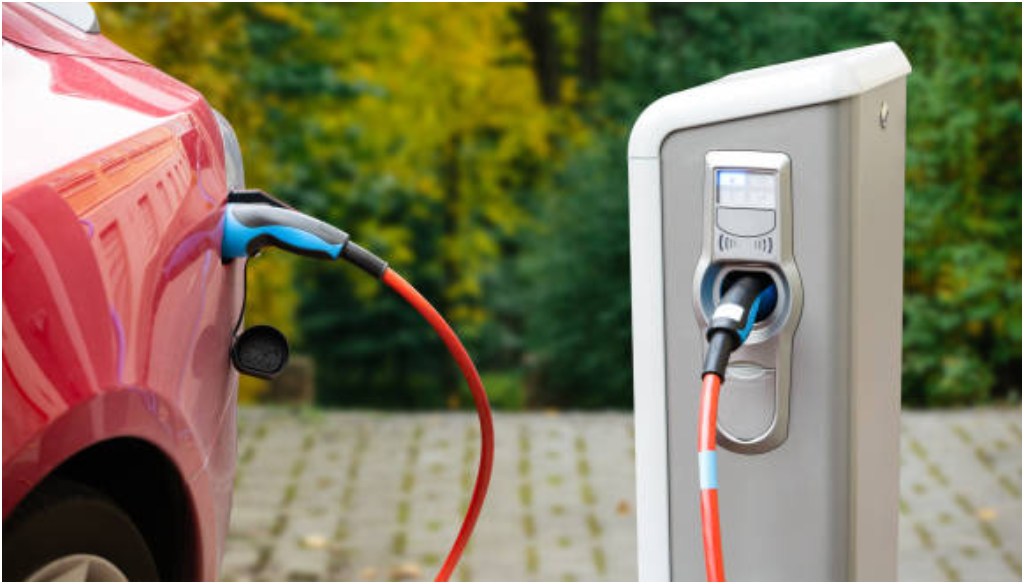
The government is also expanding charging infrastructure to address concerns about battery range and the availability of charging points. It plans to establish electric vehicle charging stations at around 4,000 petrol pumps by March 2027, with the proposed network expected to support more than 80,000 vehicle-charging sessions daily.
Vehicle registrations rise 38.53% in four years
Bihar has recorded a significant increase in vehicle registrations over the past four years. The number of vehicles registered annually rose from 9.97 lakh in the financial year 2021-22 to 13,82,524 in 2024-25, an increase of 38.53%, according to the departmental figures.
Two-wheelers account for the largest share of registrations. A total of 10,90,189 two-wheelers were registered in 2024-25, reflecting the dominance of motorcycles and scooters in the state’s vehicle market.
The government’s proposed expansion of electric mobility is expected to cover two-wheelers, three-wheelers, cars and buses.
4,000 petrol pumps to get EV charging stations by March 2027
To improve charging access and address concerns about running out of battery power, the state government plans to install charging stations at approximately 4,000 petrol pumps by March 2027.
The proposed facilities will include separate charging points for electric two-wheelers, three-wheelers, four-wheelers and buses. According to the plan, the network will have the capacity to handle more than 80,000 charging sessions per day.
Indian Oil Corporation Limited (IOCL) is installing super-fast chargers with capacities of 30 kW, 60 kW and 120 kW at major petrol pumps and along key highways in Patna.
The charging time will depend on the vehicle’s battery capacity, the charger’s output and the vehicle’s charging capability. The department’s stated estimates suggest that some cars with a range of 300 to 600 km could be charged in approximately 30 to 60 minutes.
A 120 kW charger could charge a compatible electric car from 80% to 100% in around 20 to 30 minutes under suitable conditions. Actual charging times may vary by vehicle model and battery specifications.
Subsidies and tax concessions for electric vehicles
The Bihar government is offering financial incentives to encourage people to switch to electric vehicles. These include road tax concessions, purchase subsidies for eligible vehicle categories and assistance for setting up public charging stations.
The incentives outlined by the state include:
- Road tax concession: A 50% concession on road tax for electric vehicle purchases.
- Electric cars for women: Subsidies of up to ₹1 lakh for women purchasing eligible electric cars.
- Electric two-wheelers: Assistance of ₹10,000 for buyers from the general category and ₹12,000 for buyers from Scheduled Caste and Scheduled Tribe communities.
- Electric three-wheelers: Subsidies of up to ₹50,000 for general-category buyers and ₹60,000 for SC/ST buyers purchasing eligible electric passenger or goods vehicles.
- Public charging stations: A 25% subsidy on machinery and equipment costs, capped at ₹10 lakh, for setting up public charging stations.
Eligibility conditions and the applicable subsidy amounts may vary according to the vehicle category and the provisions of the relevant government scheme.
The government has also directed state agencies to promote the use of electric vehicles in their fleets.
Government targets 30% electric vehicles by 2030
Bihar’s broader target is to ensure that electric vehicles account for 30% of all vehicles by 2030, according to Transport Department Minister Damodar Rawat.
The state is seeking to encourage EV adoption through purchase incentives, concessions on registration-related charges and the expansion of charging infrastructure.
The proposed increase in electric vehicle registrations and the planned charging network are central to the state’s efforts to promote electric mobility and reduce dependence on petrol and diesel.
Editorial note: Before publication, verify the subsidy amounts, the 50% road-tax and registration-fee concessions, and the 4,000 charging-station target against the latest Bihar EV policy and official Transport Department notification. The 30% target for all vehicles by 2030 should also be distinguished from the proposed 30% share of new registrations over the next four years.