Patna: At a pre-budget consultation for the Union Budget 2026–27, Bihar’s finance minister, Bijendra Prasad Yadav, urged the Centre to address what he described as a widening fiscal imbalance between the Union and the states, pressing for changes that would give Bihar greater financial headroom and long-term resilience.

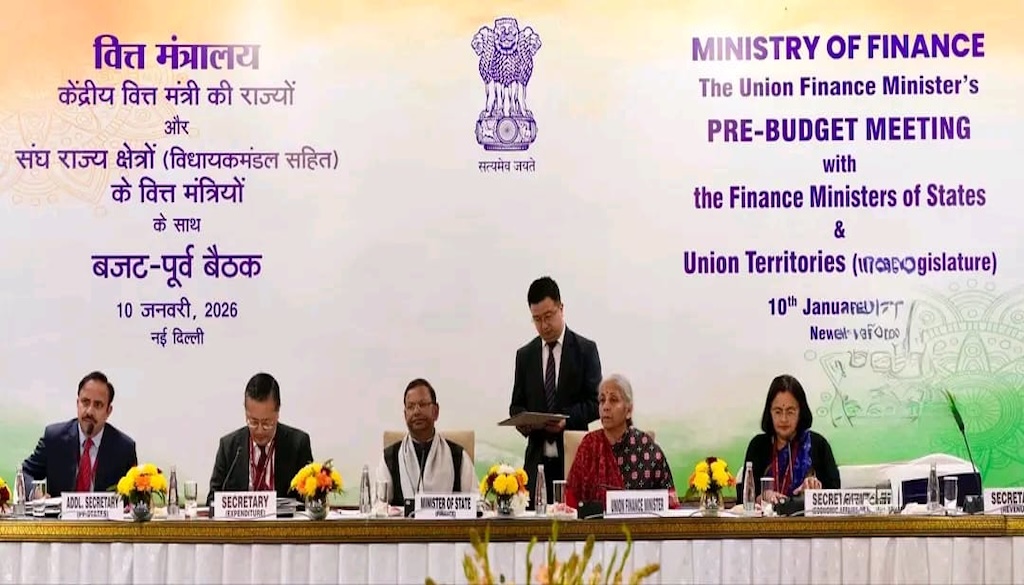
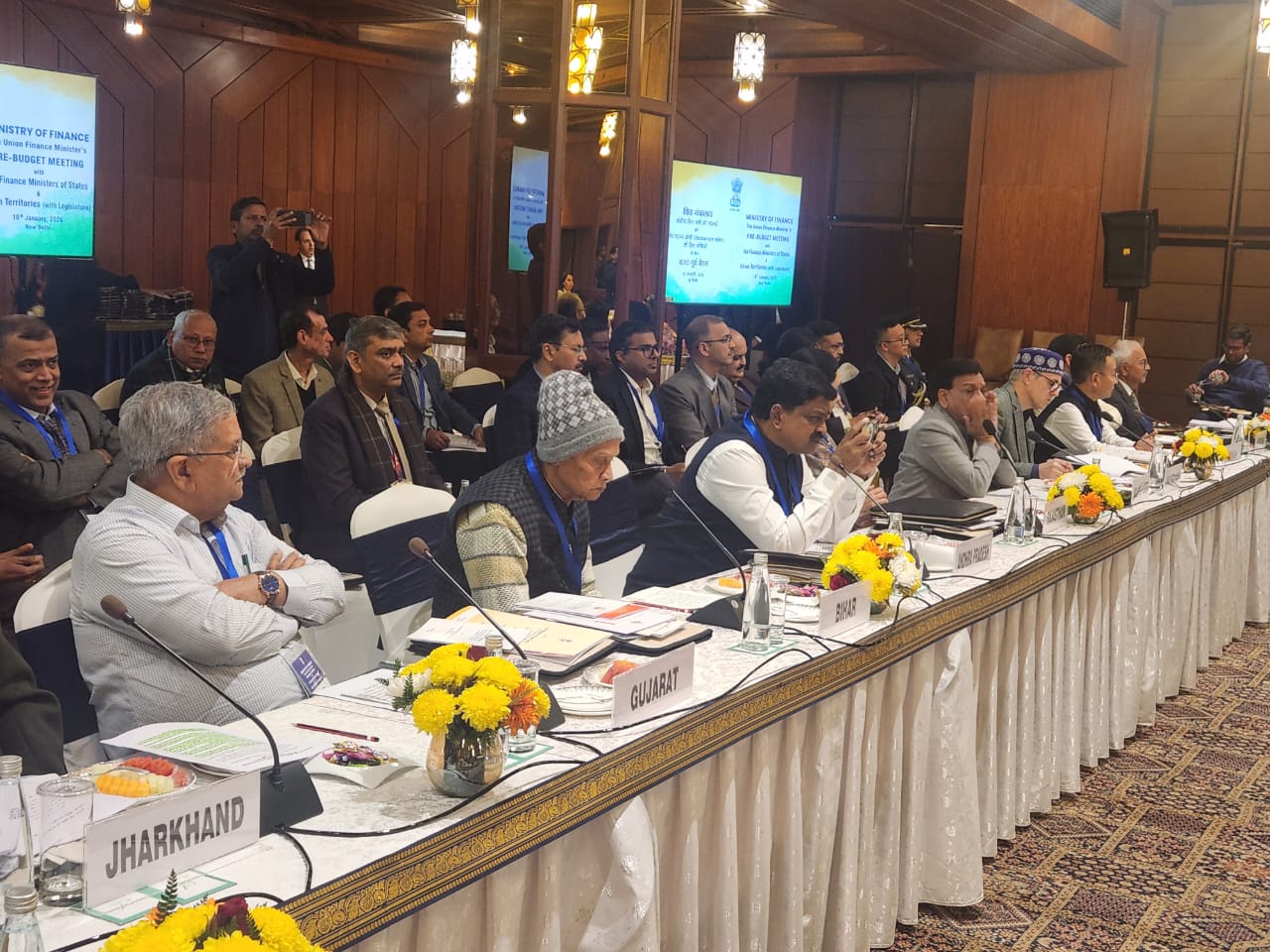
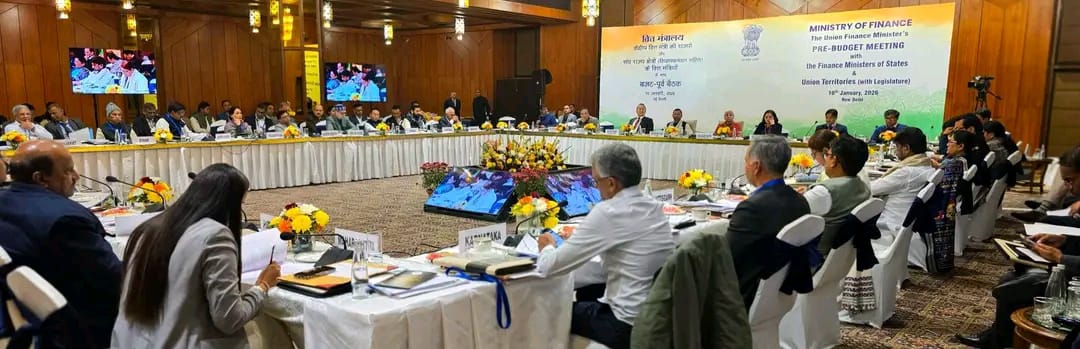
The meeting, held in New Delhi and chaired by the Union finance minister, Nirmala Sitharaman, brought together chief ministers and finance ministers from across the country. Bihar was represented by Yadav, accompanied by Anand Kishore, additional chief secretary of the state’s finance department.
Raising concerns over the growing use of cesses and surcharges by the Centre, Yadav said their share in total tax revenue had risen from 10.4% in 2011–12 to 13.6% at present. Because these levies lie outside the constitutionally mandated divisible pool, he argued, states such as Bihar were losing out on resources they were entitled to under federal fiscal arrangements. He called for cesses and surcharges to be brought within the divisible pool to ensure a fairer distribution of revenues.

Yadav also sought permission for Bihar to borrow an additional 2% of its gross state domestic product, over and above the existing annual limit of 3%. The request, he said, was essential if the state was to close the gap between its per capita income and the national average, given Bihar’s historical disadvantages and the scale of investment required for infrastructure and social development.
Flood management emerged as another central theme. Citing the recurring devastation caused by rivers such as the Kosi, Gandak and Bagmati, the finance minister asked for a dedicated “relief and disaster-resilient package” for north Bihar. The proposal emphasised the use of satellite forecasting, GIS mapping and real-time monitoring, alongside renewed focus on river interlinking as a long-term response to both floods and droughts.
On growth and jobs, the Bihar delegation pushed for greater central support for technology-driven agriculture, including the use of artificial intelligence, drones and blockchain. Yadav also highlighted the state’s water resources and labour availability, arguing that targeted incentives could help attract new industries and promote more balanced regional development.
At the close of the meeting, the Bihar finance minister submitted a detailed memorandum outlining the state’s demands and said he was hopeful they would receive “positive consideration” in the forthcoming Union budget.