Patna, September 8: Bodh Gaya, internationally known for its Buddhist heritage, is set to gain a wider tourism identity with a growing focus on eco-tourism and nature-based experiences.

The town’s Mahabodhi Temple, sacred Bodhi tree and Buddhist heritage already attract visitors from across India and abroad. Alongside these landmarks, its lakes, green spaces, hills and surrounding natural landscapes offer opportunities to develop sustainable tourism.
The state government is seeking to promote these natural and cultural assets while maintaining their ecological character and encouraging responsible tourism.

Maya Sarovar Emerges As A Green Attraction
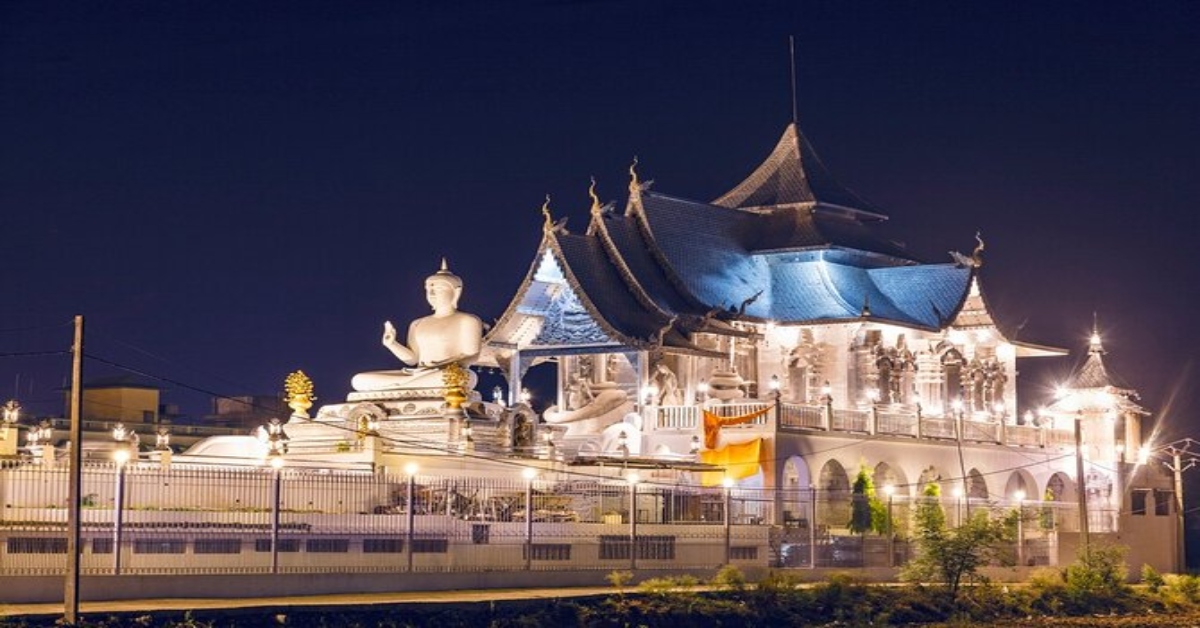
Maya Sarovar, spread across around five acres in Bodh Gaya, is among the sites that showcase the town’s potential for green tourism.
The site features a water body, landscaped green areas and a laser show depicting episodes from the life of the Buddha. Its relatively peaceful setting offers visitors an opportunity to combine leisure with the spiritual experience associated with Bodh Gaya.
Maya Sarovar could also form part of a wider tourism circuit connecting Bodh Gaya’s natural and heritage attractions.
Lakes And Hills Add To Bodh Gaya’s Tourism Potential
Beyond Maya Sarovar, Muchalinda Sarovar, Sujata Stupa and the Dungeshwari area contribute to the diversity of attractions around Bodh Gaya.
The hills surrounding Dungeshwari also provide scope for nature-based activities. With appropriate planning, such areas could support experiences such as nature walks and trekking while retaining their environmental and cultural significance.
The focus is expected to remain on conservation, cleanliness and responsible use of natural spaces, with local communities playing an important role in tourism development.
Nature Walks And Bird Watching In Focus
Bihar’s tourism policy includes several activities under the broader eco-tourism framework.
These include nature walks, trekking, bird watching, nature camps, eco-friendly accommodation and visitor interpretation centres.
For Bodh Gaya, such activities could complement the existing pilgrimage and cultural tourism circuit by encouraging visitors to explore the natural environment surrounding the town.
The approach could also provide visitors with a different experience of Bodh Gaya, combining its spiritual significance with opportunities to engage with nature.
Local Communities Could Benefit
The expansion of eco-tourism could create opportunities for local residents and businesses.
A more diversified tourism circuit may encourage visitors to spend additional time in the area, creating demand for accommodation, local transport, guides and hospitality services.
Local handicrafts, handloom products and other locally produced goods could also gain greater visibility as visitor footfall expands across different attractions.
Young people and local communities could find employment opportunities in guiding, hospitality, transport, handicrafts and other tourism-related activities.
Sustainable Tourism At The Centre
The proposed approach aims to balance tourism development with the protection of Bodh Gaya’s natural and cultural heritage.
For a destination already recognised globally for its Buddhist significance, eco-tourism could provide an additional dimension without replacing its established spiritual identity.
The broader objective is to create a sustainable tourism model that improves visitor experiences while supporting environmental conservation and local economic development.
If implemented carefully, Bodh Gaya’s lakes, hills and green spaces could become an important part of Bihar’s growing eco-tourism landscape, while preserving the destination’s heritage for future generations.