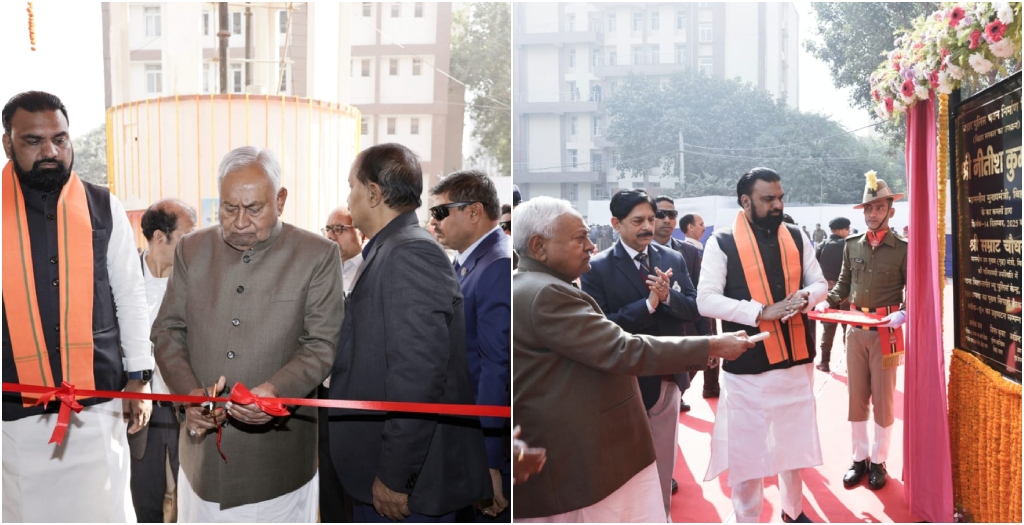
Patna: Chief minister Nitish Kumar on Sunday inaugurated a new centralised kitchen-cum-dining hall and a large men’s constable barracks at the New Police Centre in Patna. The facilities were formally opened by cutting the ribbon and unveiling a plaque. The men’s barracks can accommodate 700 constables, while the multi-storey kitchen and dining hall has been built to serve thousands of police personnel living on the campus. The move is expected to improve daily living conditions for police staff posted in the state capital.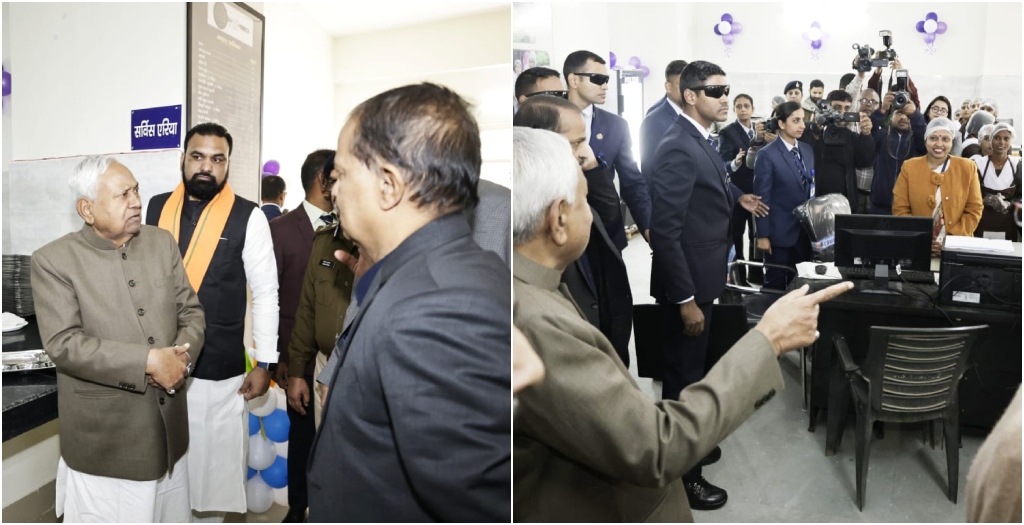

Speaking at the event, the chief minister said that police personnel staying at the Patna Police Centre had been facing difficulties in managing food and daily arrangements while performing their duties. To solve this problem, Jeevika Didi’s Kitchen has been started at the police lines. The kitchen will provide clean, nutritious food at affordable rates to nearly 3,000 police personnel. Kumar said that when basic needs like meals are taken care of, police personnel can focus better on maintaining law and order. He also noted that the initiative would create employment for around 120 women from Jeevika self-help groups.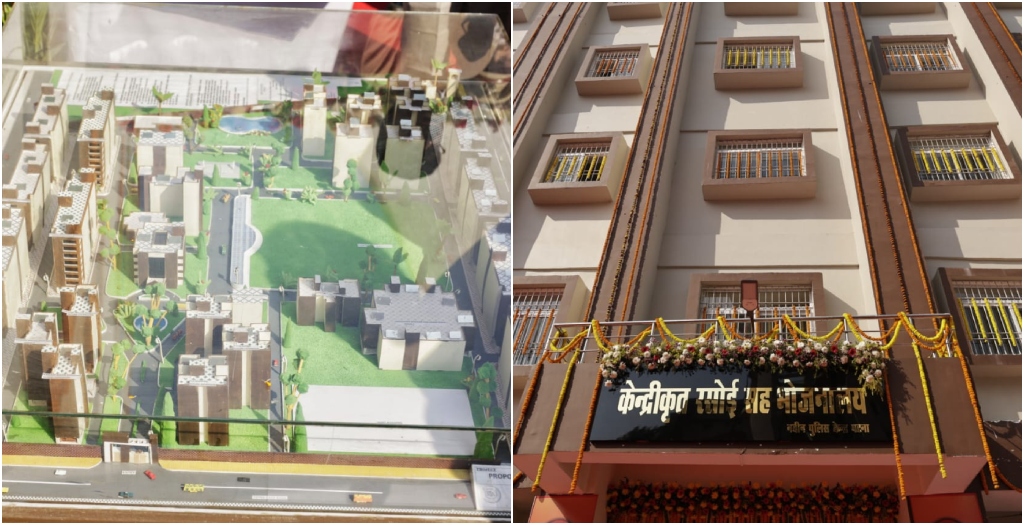
The chief minister also reviewed plans for the second phase of development at the Patna Police Lines. Officials informed him that Phase-2 will include the construction of new residential quarters for officers, additional men’s and women’s barracks, servant quarters, a school building, an auditorium, a firing range and improved sewer systems.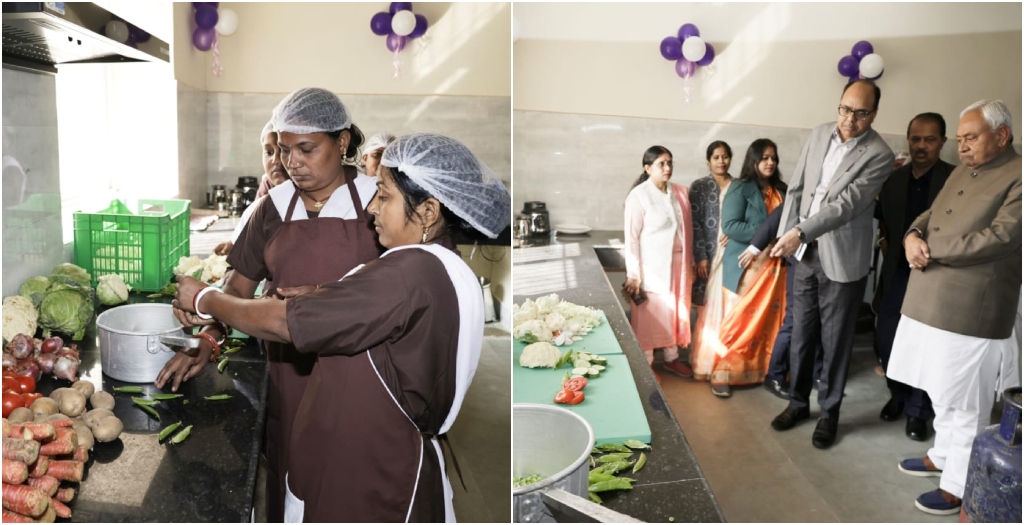

Many important buildings under Phase-1, including administrative offices, women’s barracks and the newly opened kitchen and dining hall, have already been completed. Kumar directed officials to ensure that the remaining projects are finished quickly. During his visit, he inspected the kitchen building and interacted with women working there.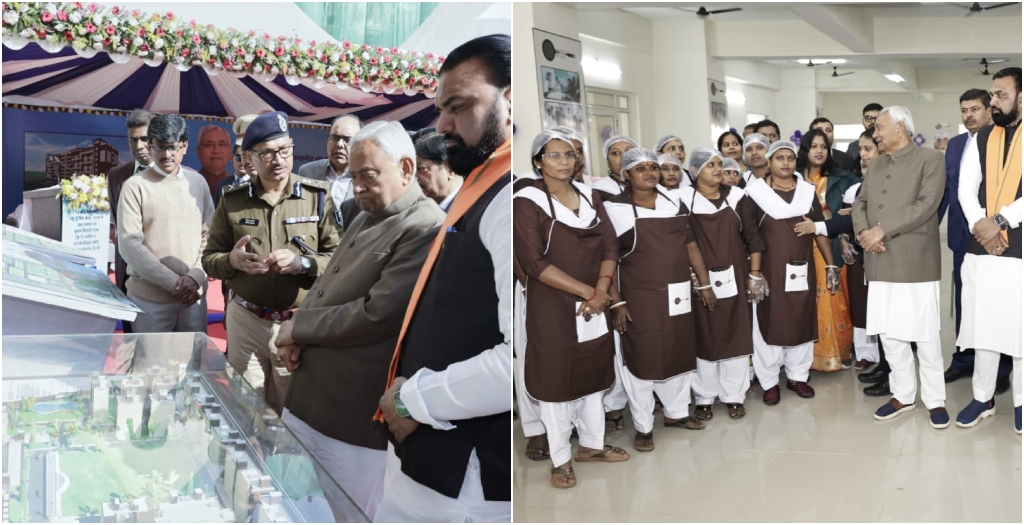
Jeevika Didi’s Kitchen was first launched in 2018 at the Sadar Hospital in Hajipur. Since then, the scheme has expanded across Bihar with government support. At present, more than 330 such kitchens are operating in hospitals, welfare schools, old age homes, government offices and police training centres. The programme provides affordable food to people while also giving regular income to women from self-help groups. Officials said that thousands of women are already benefiting from this initiative, and more employment opportunities are expected to be created in the coming years.