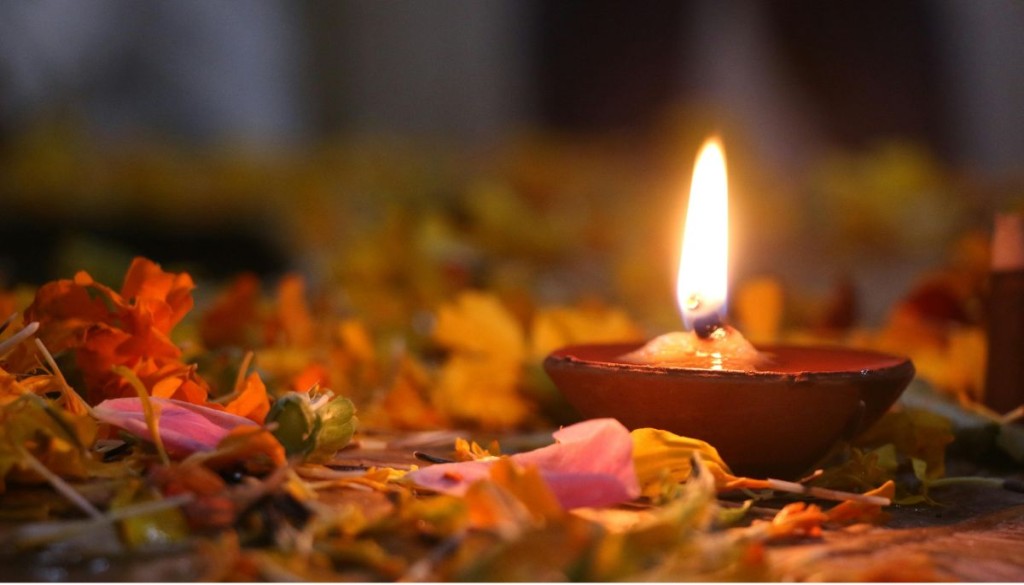
Patna: As India celebrates Dussehra, a festival that marks the triumph of good over evil, devotees across the country turn to rituals believed to bring peace, prosperity and divine blessings. Central to these observances is the tradition of lighting lamps(Diya) in specific places, an act thought to invite positive energy and the grace of Goddess Lakshmi.

According to Hindu beliefs, lighting lamps at certain sites on Dussehra can dispel negativity and usher in financial and spiritual growth.
Under a Shami tree
The Shami tree holds significance in mythology, with references to Lord Rama’s worship of it before his victory over Lanka. Lighting a ghee lamp beneath the tree is said to symbolise success, good fortune and wealth.

At the main entrance
The threshold of a home is regarded as a channel for energy and the symbolic arrival point of Goddess Lakshmi. Lighting a lamp at the entrance is believed to remove obstacles and bring auspiciousness.
In the puja room
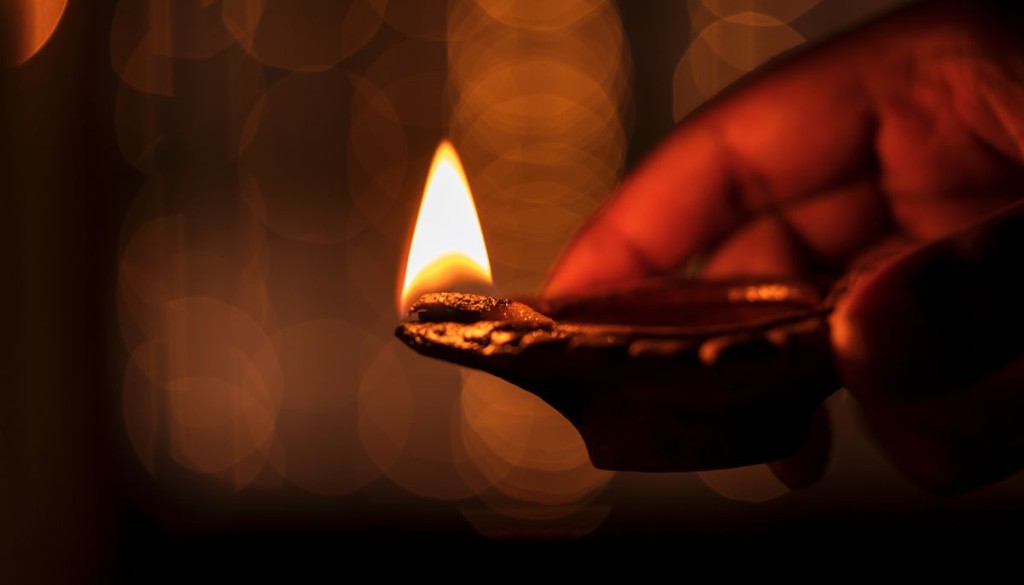
An uninterrupted ghee lamp kept alight in the household shrine through Dussehra night is a common custom. It is thought to foster stability, peace and happiness, while ensuring the family receives Lakshmi’s blessings.
Under a Tulsi plant
The sacred Tulsi plant is closely associated with Goddess Lakshmi. Placing a ghee lamp near it on Dussehra evening is considered to attract prosperity and ease financial troubles.
Directions for lighting lamps
Astrological traditions also assign benefits to lighting lamps in particular directions:
- North: linked to wealth and prosperity.
- East: associated with longevity and health.
- South-East: believed to enhance vitality and energy.
- South-West: tied to harmony in relationships and stability.
- West: connected to career progress and success.
Devotees often chant the mantra “Om Aparajitaaye Namah” while lighting lamps, invoking Goddess Durga for victory and well-being.