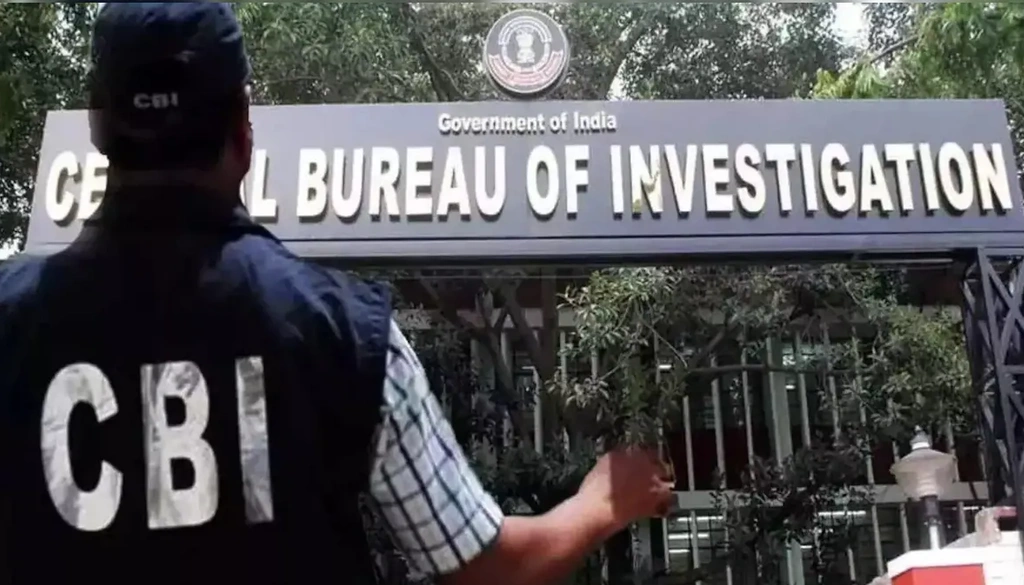
Muzaffarpur/Patna: More than 200 telecom retailers and distributors in Muzaffarpur, Bihar, are facing the prospect of a Central Bureau of Investigation (CBI) probe after being accused of issuing SIM cards on forged identity documents, allegedly enabling cyber fraud, liquor trafficking and suspected Naxal communications.

Despite multiple FIRs and inquiries since 2022, local police have been unable to take decisive action, prompting the state police headquarters to recommend central intervention. Officials say rising cases of cyber fraud and organised crime linked to anonymous phone numbers have intensified pressure for accountability.
The case first emerged after the Bihar Special Task Force uncovered evidence that Aadhaar credentials were being falsified to generate mobile connections. Around 200 retailers and distributors were booked, but progress has stalled. According to investigators, one communications centre in Siwan allegedly issued over 50 SIM cards using fabricated Muzaffarpur addresses.

Subsequent complaints from police units in Gopalganj, Sitamarhi and Darbhanga led to additional FIRs, naming at least four distributors. Records suggest the numbers were used in cyber fraud, coordination of illicit liquor operations and other criminal networks.
Officials also believe some of the SIMs may have been used by individuals with links to Naxal groups, though this has not been confirmed publicly. “A centralised investigation is necessary due to the inter-district and inter-state implications,” a senior police officer said on condition of anonymity.
Police headquarters have now instructed local units to update case files and evidence logs in anticipation of a handover. Sources suggest CBI teams could arrive “at any time”, although neither state nor central authorities have commented on a formal timeline.
For residents of Muzaffarpur, the issue adds to growing concerns about the misuse of identity systems and the lack of enforcement. With SIM cards serving as a primary tool for communication, fraud and evasion of surveillance, the scandal highlights vulnerabilities in both digital verification and policing.
If the probe proceeds, it will mark one of the most extensive investigations into telecom document fraud in the state in recent years.