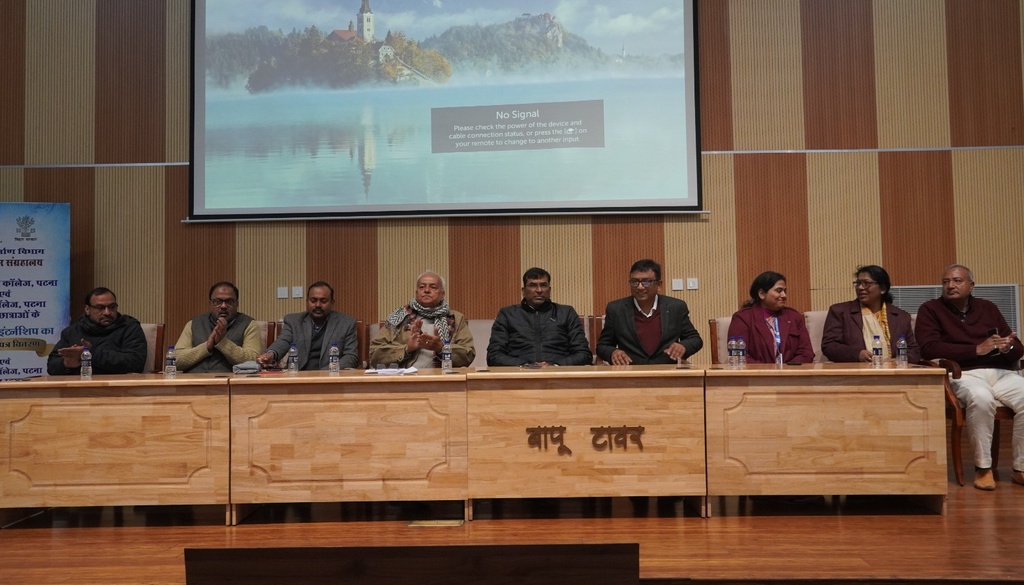
Patna: Mahatma Gandhi’s relationship with science and technology was re-examined on Friday at a public lecture held at the Bapu Tower museum in Patna, where speakers argued that the Indian independence leader was not opposed to science but sceptical of its unchecked use.

The lecture, titled Gandhi and Science, was organised as part of the Bapu Dialogue series to mark Pravasi Bharatiya Divas (Indian Diaspora Day). Senior scientist and author Yadvendra Pandey delivered the keynote address, drawing on Gandhi’s writings and correspondence with leading scientists of his time. The event was inaugurated by Vinay Kumar, director of the Bapu Tower, who welcomed the speaker with a ceremonial shawl and memento.


The chief guest, Kumar Ravi, secretary of Bihar’s building construction department, said Gandhi’s ideas were becoming increasingly relevant in an era of rapid technological expansion. He also addressed students from Magadh Mahila College, AN College and BD College who attended the programme.
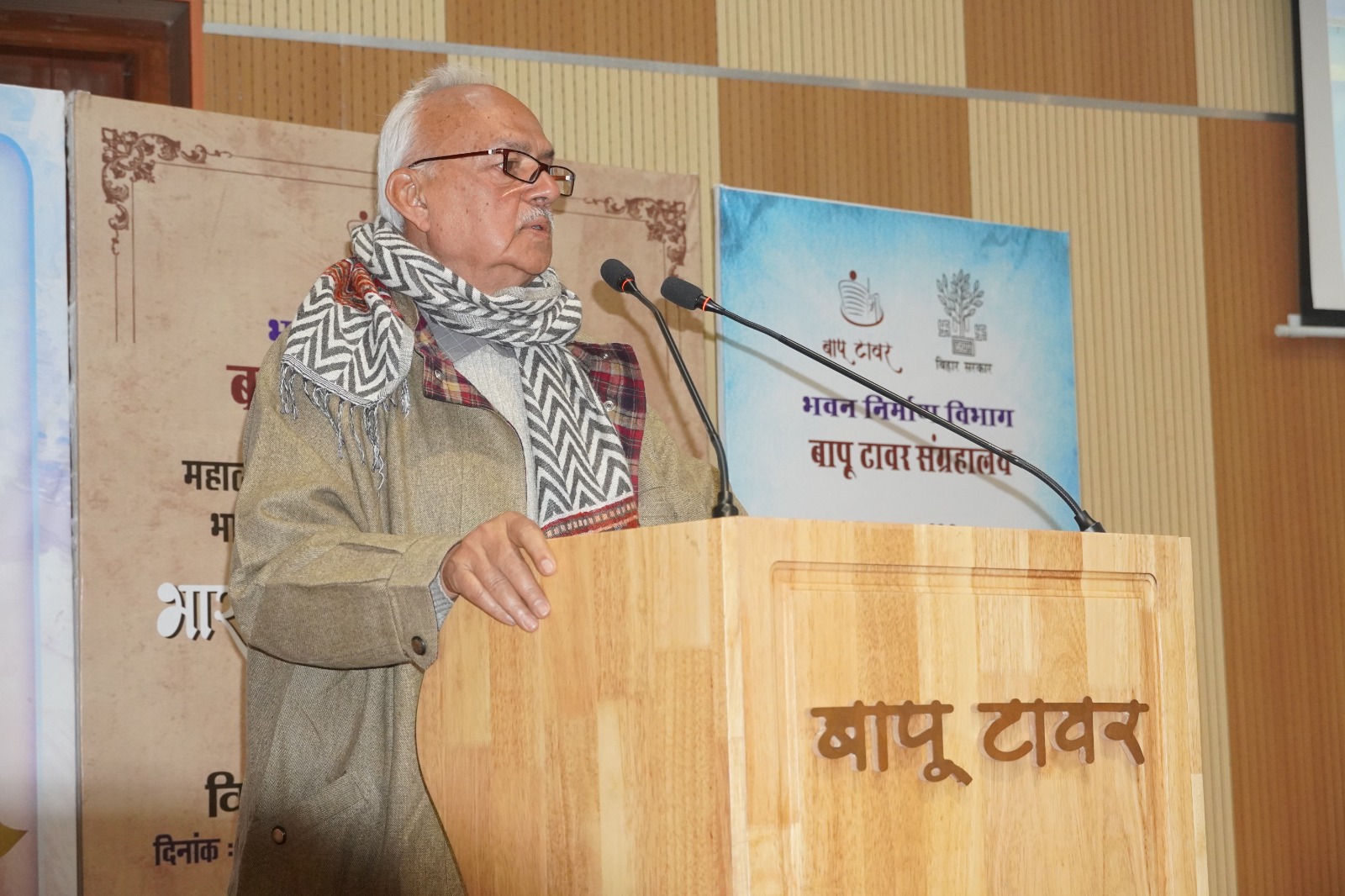
Pandey said Gandhi maintained deep intellectual engagement with science and exchanged ideas with figures such as Jagadish Chandra Bose, Prafulla Chandra Ray and Albert Einstein. “The notion that Gandhi was anti-modern or unscientific is misplaced,” Pandey said, adding that Gandhi objected not to science itself but to total dependence on technology divorced from ethics and social responsibility.
According to Pandey, Gandhi advocated the use of science for public welfare and emphasised moral restraint, sustainability and inclusiveness in scientific progress. He also highlighted Gandhi’s scientific approach to everyday issues such as diet and health.
As part of the event, certificates were awarded to students from Magadh Mahila College and AN College who completed the museum’s Satyagraha Internship Programme, while winners of the Gandhi Knowledge Examination were honoured.
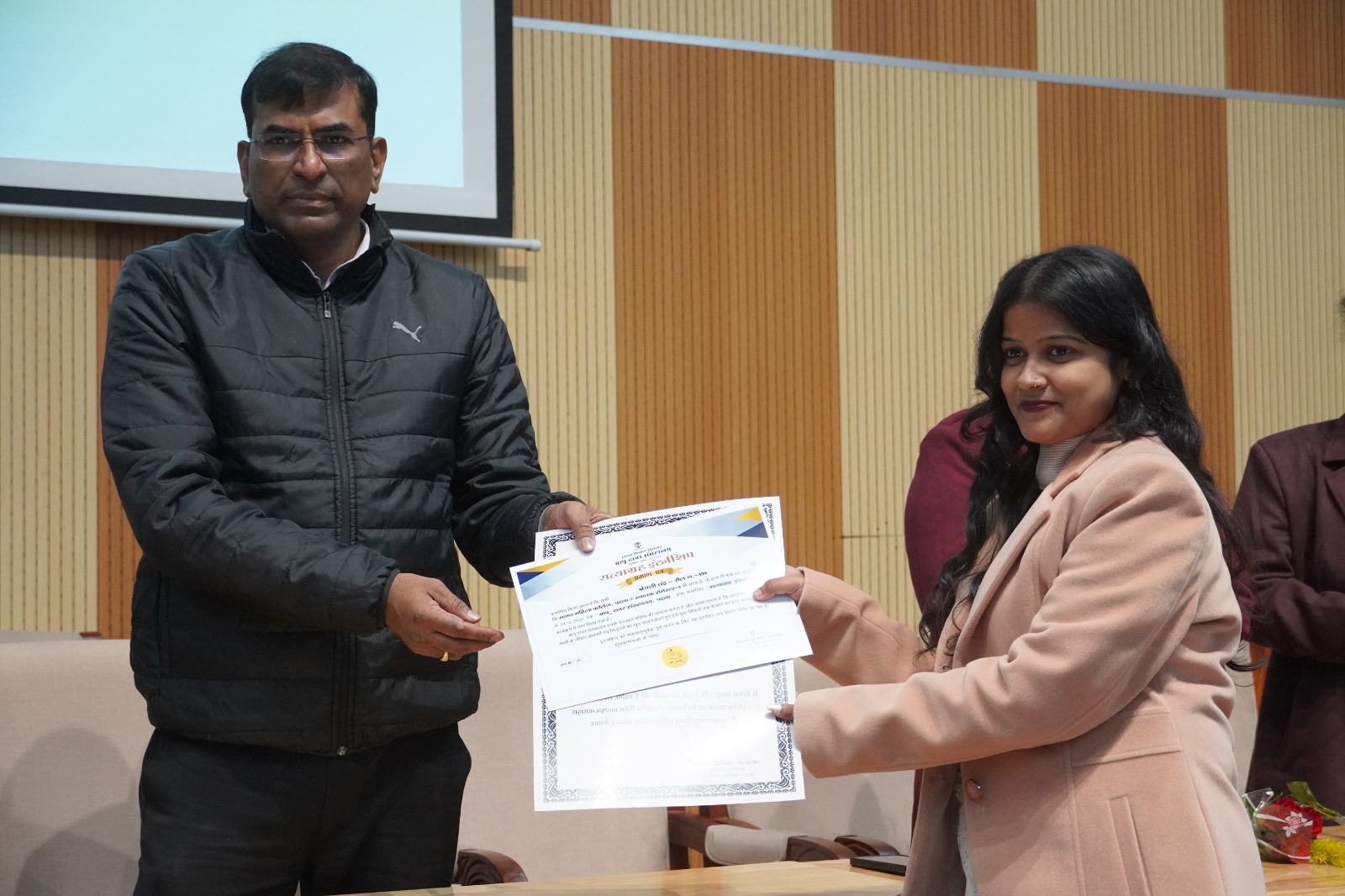
The museum also welcomed a new batch of interns from BD College, Patna. A total of 66 students will undertake a 15-day internship at the Bapu Tower, participating in research, archival work and public engagement activities.
Officials, students, researchers and literature enthusiasts attended the programme in large numbers, reflecting continued public interest in Gandhi’s ideas beyond politics and into science, ethics and modern life.