Patna: Ten Indian Administrative Service (IAS) trainee officers from the 2025 batch visited Patna this week as part of their winter training programme, in a cultural orientation hosted by the Indian Council for Cultural Relations (ICCR). The visit aimed to familiarise future civil servants with the role of culture, heritage and cultural diplomacy in governance and public service.


The programme, organised by the ICCR regional office in Patna, offered an institutional overview of the council’s mandate and objectives, with a focus on how cultural engagement and soft power can strengthen public administration and policy-making. Officials highlighted the importance of integrating cultural perspectives into governance frameworks and nation-building efforts.

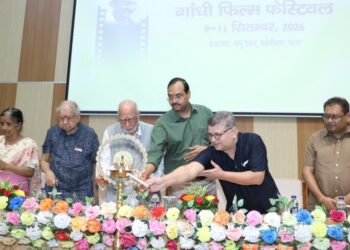
The visit began with an introductory session and panel discussion at Bapu Tower under the theme “Envisioning India’s Cultural Landscape”. Experts from Bihar representing folk art, theatre, music, arts coordination and literature shared insights on the intersection of culture, society and public policy. The discussion was followed by an interactive question-and-answer session moderated by the regional passport officer and ICCR Regional Director, Swadha Rizvi, IFS, and a guided tour of the tower to engage with the Gandhian legacy.

To demonstrate how art can be integrated into public service spaces, the trainees visited the Passport Seva Kendra in Patna, where they viewed a painting exhibition titled Patna through Ink and Paint, featuring works by 24 schoolchildren from DPS Patna. Swadha Rizvi emphasised the value of making government offices aesthetically engaging for both citizens and officials, and encouraged senior administrators to provide accessible platforms for young artists.
The programme also included a visit to Arthshila Patna, a private cultural institution, highlighting the role of non-governmental initiatives in promoting contemporary art, research and innovation. The visit underscored the potential of public–private collaboration in shaping inclusive cultural policies and governance practices.