Patna: India and Nepal have agreed on a series of measures to improve flood management and resolve long-standing operational issues along the Kosi and Gandak river systems, following the conclusion of the 11th meeting of the Joint Committee on Kosi and Gandak Projects in Kathmandu.

The two-day meeting, held from April 30 to May 1, brought together senior officials from both countries and was described by participants as constructive, with progress made on technical, administrative and cross-border coordination challenges.
The Indian delegation was led by Santosh Kumar Mall, principal secretary of Bihar’s water resources department, while Nepal was represented by Mitra Baral, director general of its department of water resources and irrigation.

A key outcome of the meeting was an agreement to remove encroachments along a 35km stretch of the Western Kosi Main Canal within Nepal. Both sides also committed to clearing encroachments around the Kosi barrage, as well as along the eastern and western embankments and in the Valmikinagar Gandak region, in an effort to ease maintenance and improve canal operations.
Officials also agreed to relocate electric poles currently situated on the embankment of the Western Kosi Canal, a move expected to facilitate smoother functioning of the canal system and improve access along service roads.
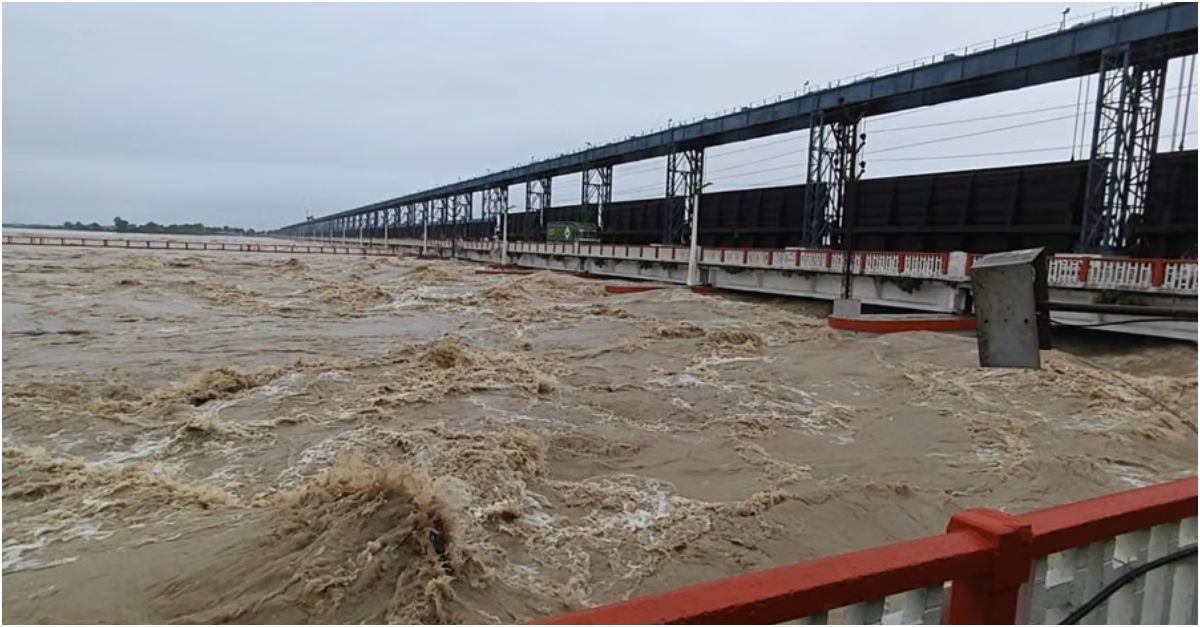
In a bid to strengthen flood preparedness ahead of the 2026 monsoon, both countries endorsed a joint strategy focusing on anti-erosion work in the Birpur region. The plan includes the use of locally available materials such as sand, soil and silt, along with round-the-clock movement of construction materials and vehicles to accelerate the work.
Land demarcation linked to the Kosi project will be carried out using GPS technology within a defined timeframe, a step both sides said would help address disputes and improve transparency in project management.
At the Kosi barrage, structural and non-structural interventions will be introduced to regulate vehicle speeds. Nepal also assured that activities such as fishing and timber extraction would be restricted during flood periods to minimise disruption to operations.
The Nepali delegation acknowledged concerns raised by India over local taxes being levied on project vehicles, which were said to be inconsistent with existing agreements. Nepal said it would take steps to halt such practices.
Drainage issues raised by Nepal, particularly in waterlogged areas, will be jointly inspected, with India agreeing to undertake necessary remedial measures. Both sides also agreed to enhance technical cooperation through the sharing of satellite imagery and updates on ongoing works.
Discussions further focused on pre-flood preparedness, including the construction of pilot channels and the loosening of shoals to regulate river flow. Officials also emphasised the importance of real-time data sharing on rainfall and river discharge to strengthen flood forecasting systems during the monsoon.
A follow-up meeting dedicated to data-sharing mechanisms is scheduled for May 2.