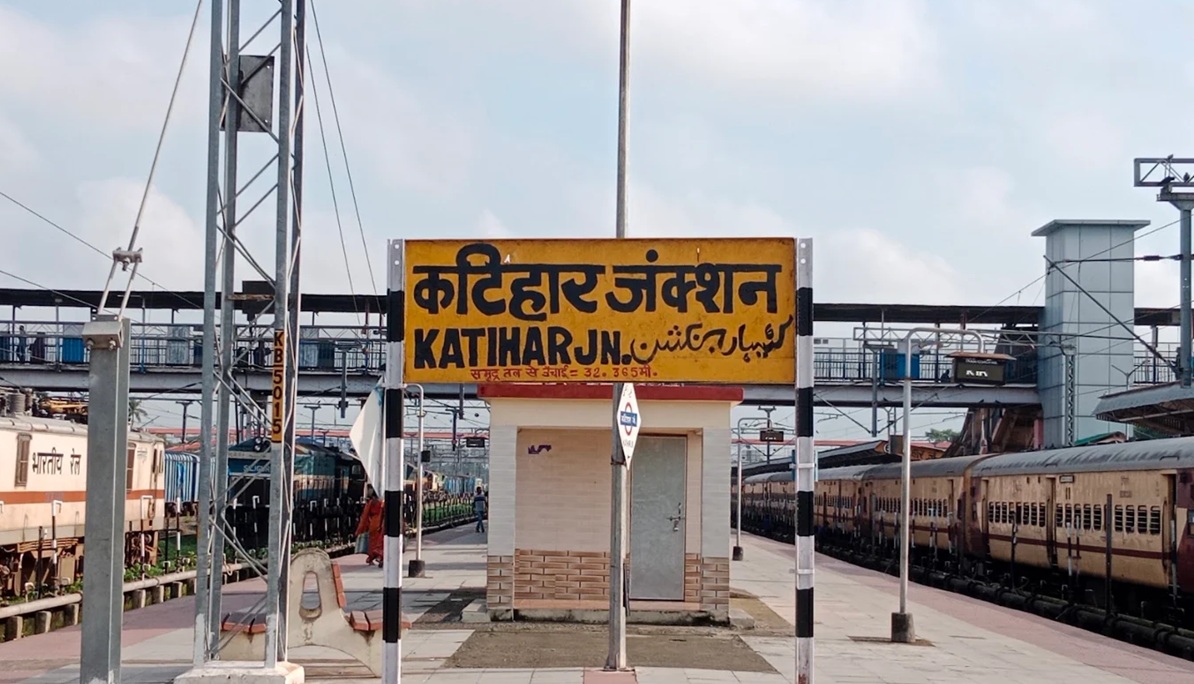
Katihar: Katihar is set to get its first official district gazette, more than five decades after it was carved out of Purnea and became a separate district on October 2, 1973.

The district administration has taken steps to compile and publish the document, which will chronicle Katihar’s administrative and social history, geographical and political evolution, cultural heritage and development journey. The gazette will also document the contribution of local residents and prominent personalities to the district’s growth.
Katihar District Magistrate Ashutosh Dwivedi said several rounds of administrative meetings have already been held and the first detailed draft of the gazette has been prepared.

The draft has been circulated among district-level officials for review. Departments have been asked to examine historical facts, data and details of development schemes related to their respective areas and submit suggestions or corrections. The administration will incorporate the feedback from departments and experts before finalising the document.
Katihar’s history was earlier covered under Purnea Gazette
Before October 2, 1973, Katihar was an important part of the undivided Purnea district. Its administrative and historical details were therefore recorded in the Purnea district gazette.
Despite more than five decades having passed since Katihar became a separate district, the district did not have a consolidated gazette of its own.
The proposed gazette is intended to bring together information covering Katihar’s history, geography, culture, industrial development, agriculture, government policies and social changes.
Railways, jute industry and cultural heritage to feature
The document will include information about Katihar’s geographical features, major rivers, the history of its railway network, the rise of the jute industry, the agricultural landscape and local art and culture.
The administration is also documenting the evolution of different administrative blocks and circles and examining the impact of state and Central government policies on the district’s development.
Stories of local people to be included
The district administration said the gazette would not be limited to government statistics and administrative records.
The contribution of ordinary residents to the district’s formation, the freedom movement, social movements and development journey will also be documented. Contributions of prominent personalities and important historical events will form part of the publication.
Officials and experts are being invited to suggest corrections and additions to the draft. After the review process, the administration plans to publish the first Katihar district gazette as a comprehensive reference document for future generations and researchers.
The publication will provide a consolidated record of Katihar’s past, present and development trajectory, marking a significant step in documenting the history of the district since its formation in 1973.