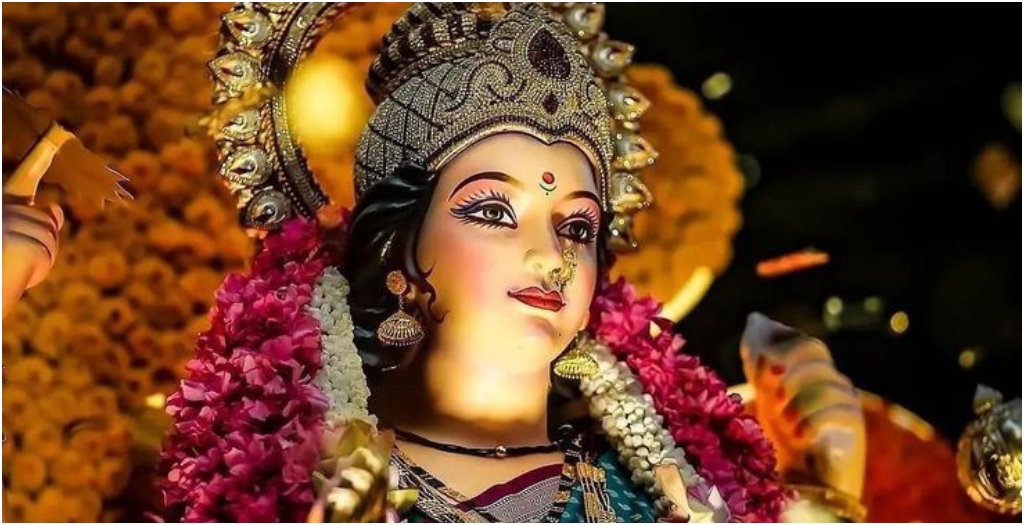
Patna: The holy festival of Shardiya Navratri has begun, and millions of devotees across India are observing fasts while engaging in prayers and religious rituals. While fasting is an important spiritual practice, doctors warn that improper diet during Navratri can lead to health issues such as acidity, constipation, fatigue, and stomach discomfort. Many people choose to eat fruits and special vrat foods, but careful planning is needed to maintain energy and nutrition during the nine-day fast.

Professor Ravi Kirti, Senior Professor at the Department of Medicine at AIIMS Patna, advises avoiding fried or spicy foods during the fast. “These foods can upset the stomach and make fasting uncomfortable,” he said. Instead, he recommends light, easily digestible meals that provide energy without putting stress on the digestive system. Professor Sangam Jha, Senior Associate Professor in the Department of Gynecology and Obstetrics at AIIMS, added that pregnant women should avoid fasting or consult a doctor if they choose to participate, as fasting may affect their health.
Doctors also suggest that the elderly, children, and people with medical conditions like diabetes or high blood pressure avoid prolonged fasting. To maintain energy, light foods such as fruits, boiled sweet potatoes, yogurt, and natural drinks like coconut water and lemonade are recommended. Staying hydrated by drinking plenty of water and other fluids throughout the day is essential. Experts also advise against overexertion and emphasize the importance of getting enough rest during the festival.

Apart from food, experts stress the benefits of mental and physical wellness practices during Navratri. Yoga, meditation, and pranayama can help maintain mental peace and boost energy levels. Doctors highlight that the purpose of fasting is not only spiritual but also an opportunity to detoxify the body. Observing the fast with balance, proper diet, and adequate rest is key to staying healthy and enjoying the festival safely.