
Patna: Patna’s Air Quality Index (AQI) rose from 186 on the day before Diwali to 280 on the festival day, before declining to 199 within 24 hours, according to the Bihar State Pollution Control Board (BSPCB).

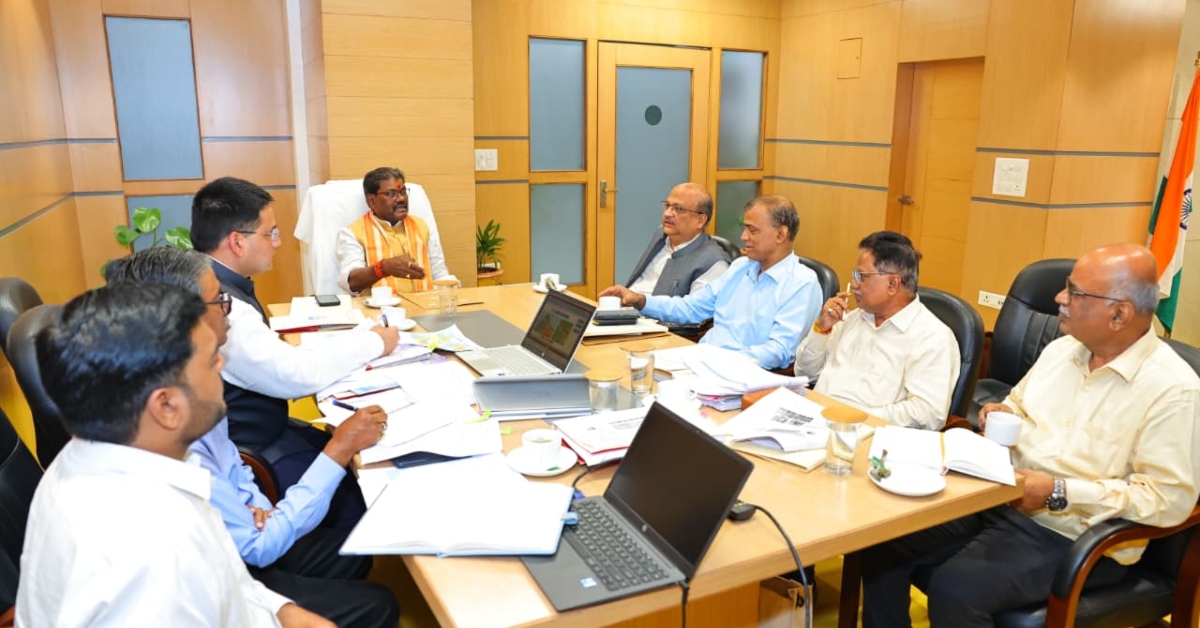
The figures were presented during a review meeting held on Friday, November 12, 2026, under the chairmanship of Environment, Forest and Climate Change Minister Dr Ram Chandra Prasad. The meeting reviewed measures being taken to improve ambient air quality and control water pollution across the state.
BSPCB Member Secretary Neeraj Narayan informed the meeting that intensive measures, including fogging and sweeping operations, were carried out in Patna following the rise in pollution levels. The AQI subsequently returned close to its pre-Diwali level.

41 Air Quality Monitoring Stations Operational In 29 Districts
According to the Board, inter-state movement of air, partly linked to stubble burning in Punjab, and seasonal changes associated with winter weather are among the factors influencing AQI levels in Bihar.
At present, 41 continuous ambient air quality monitoring stations are operational across 29 of Bihar’s 38 districts. Similar stations will be established in the remaining nine districts, the meeting was informed.
Data from the past three years has been used to assess AQI trends in different cities across the state. The meeting also noted a gradual improvement in water quality compared with 2022-23.
Ganga Water Suitable For Bathing At All Monitored Locations
Reviewing water pollution prevention and control measures, the Board informed the meeting that water samples are collected and analysed from different locations across Bihar.
These include 34 monitoring locations along the Ganga and 65 locations along its tributaries, apart from other sites across the state.
During 2025-26, the Board collected and analysed a total of 2,958 water samples. The data indicated that water quality at all monitored locations along the Ganga in Bihar was suitable for bathing.
Minister Directs Strict Action Against Polluting Industries
Dr Ram Chandra Prasad directed the Board to ensure strict compliance with environmental rules and standards by industrial units, particularly sugar mills, and take stringent action against violators.
He also issued directions on other pollution-control measures and stressed the need for coordination between the Pollution Control Board and relevant government departments.
The departments identified for coordination included Urban Development and Housing, Panchayati Raj, Rural Development and Transport. The objective is to improve compliance with statutory obligations relating to pollution control and environmental protection.
Development Commissioner and BSPCB Chairman Mihir Kumar Singh and Additional Chief Secretary of the Environment, Forest and Climate Change Department Anand Kishor attended the meeting. The Board’s Scientific Advisor and other senior officials were also present.