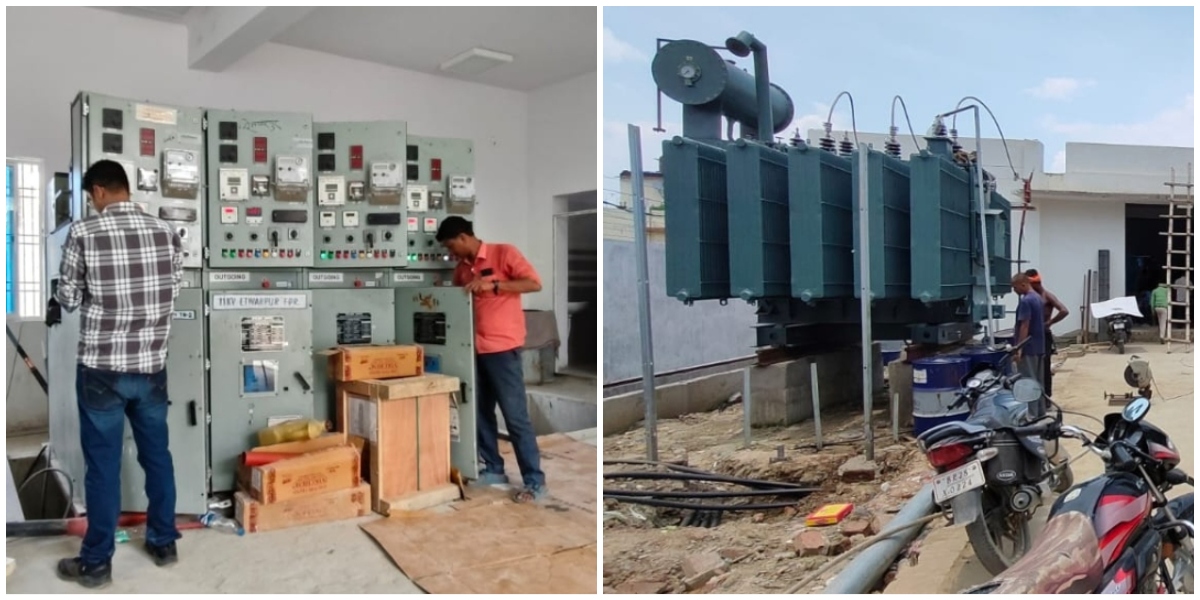
Patna: Authorities in Patna are expanding the city’s power infrastructure ahead of the peak summer season, with four new power substations under development to help prevent outages during periods of high electricity demand.

Officials say the projects, located in Asopur, Jaganpura, Bihta and Usri, are intended to reduce load pressure on the existing network and ensure a more stable supply of electricity across the state capital. The move comes as rising temperatures and increased use of cooling appliances continue to push power consumption higher each year.
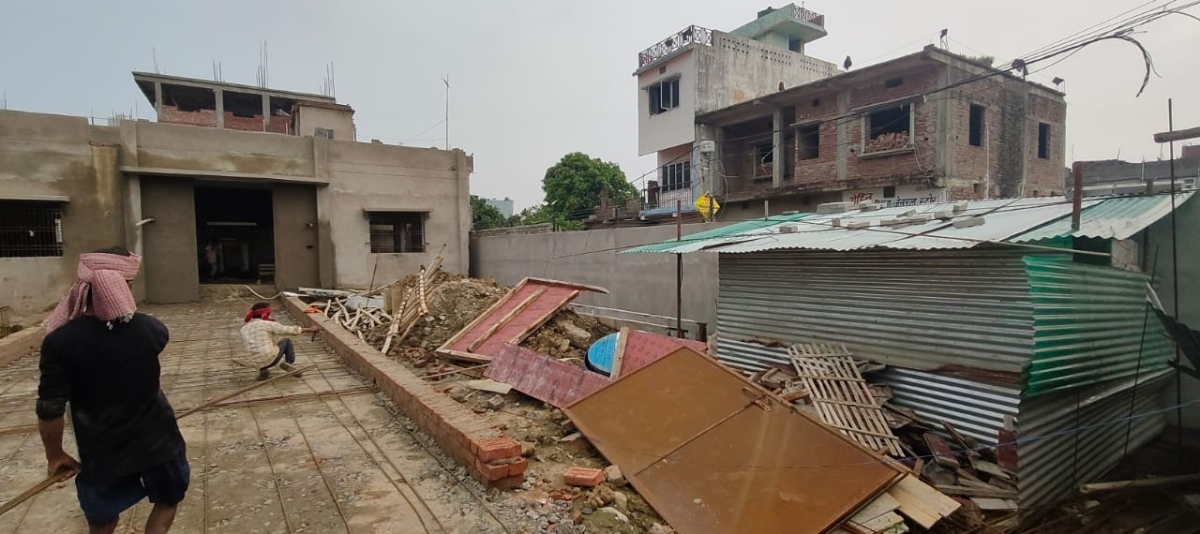 According to PESU general manager Dilip Kumar Singh, the utility has been steadily strengthening the city’s distribution system to keep pace with growing demand. Three of the substations are being constructed in the western division at Asopur, Usri and Bihta, while another is being developed in the Khemnichak area of Jaganpura under the eastern division.

Patna currently operates more than 75 power substations, forming the backbone of the city’s electricity distribution network. Officials say the addition of new facilities will help reduce the risk of grid overloading and improve reliability during the hottest months of the year.
The projects are expected to benefit more than 500,000 residents. The Asopur substation has already been completed and commissioned, while the remaining facilities are in the final stages of development. Each substation will be equipped with two transformers with a capacity of 10 MVA, designed to handle higher electricity loads and maintain stable voltage levels.
Power consumption in Patna has increased significantly in recent years. During the past two summers, daily demand in the city crossed 1,000 megawatts, and officials estimate it could rise to between 1,200 and 1,400 megawatts this year.
Across Bihar, peak electricity consumption during summer has previously approached 10,000 megawatts. Distribution companies responsible for north and south Bihar have so far managed to meet demand, but authorities say expanding infrastructure remains critical to ensuring uninterrupted supply in the coming years.