Patna: Bihar has witnessed an extraordinary response to the admission process of Dr. Bhimrao Ambedkar Residential Schools for the academic session 2026–27. The Scheduled Castes and Scheduled Tribes Welfare Department in Patna confirmed that a record number of students applied for admission to Class 1 and Class 6 across the state. A total of 1,42,357 registrations were made for only 2,895 vacant seats in 91 residential schools. Applications were accepted from January 5 to February 6, 2026, and the overwhelming response reflects the growing trust of parents in these government-run schools, especially among Scheduled Castes and Scheduled Tribes communities.

To make the admission process fair and easy, the department allowed parents to apply both online and offline. Families who had internet access submitted their forms through the official government website, while others visited district welfare offices where special admission counters were set up. These offices helped parents fill and upload their forms online. By the final count, 1,03,195 applications were officially accepted. For Class 1, there were 59,453 applications for 2,627 seats, while Class 6 received 43,742 applications for only 268 seats. This huge gap between applications and available seats shows how popular and trusted these schools have become.
The next steps in the admission process have also been announced. Admit cards will be issued between February 15 and February 20, 2026. Admission to Class 1 will be done through an online lottery system to ensure fairness. For Class 6, a state-level written examination will be held on February 22, 2026. The results will be declared on March 10, 2026, and the enrollment of selected students will begin from March 11, 2026. The department said that the entire process is being carried out in a transparent and simple way so that every child gets an equal chance.

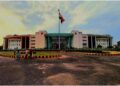
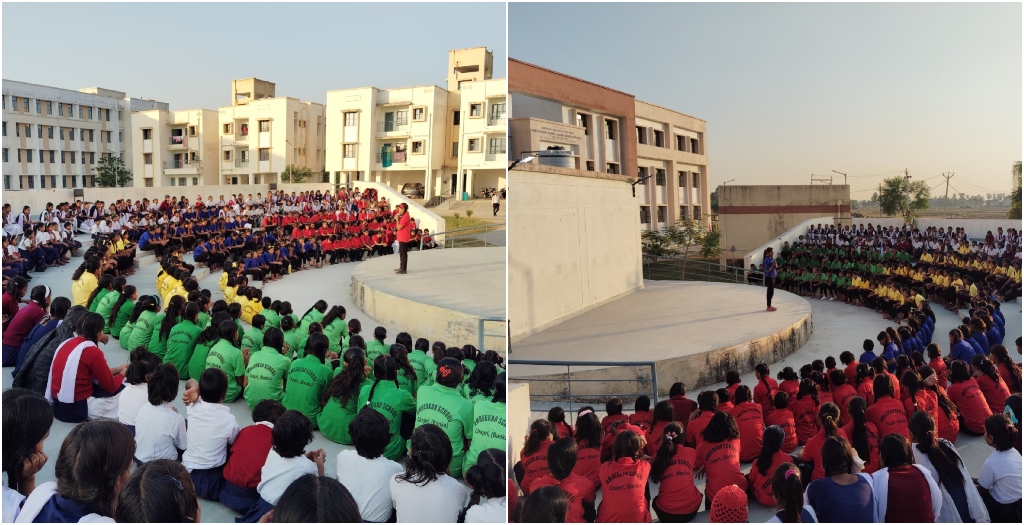
Students studying in Dr. Bhimrao Ambedkar Residential Schools receive completely free residential and educational facilities from the Bihar government. The schools provide modern classrooms, digital learning tools, well-equipped libraries, science and computer laboratories, sports facilities, and regular career guidance sessions. Children also receive nutritious meals, safe drinking water through RO systems, and a fixed amount of money for daily needs through Direct Benefit Transfer (DBT) into their bank accounts. For thousands of families, these schools are not just buildings but a pathway to dignity, opportunity, and a brighter future.