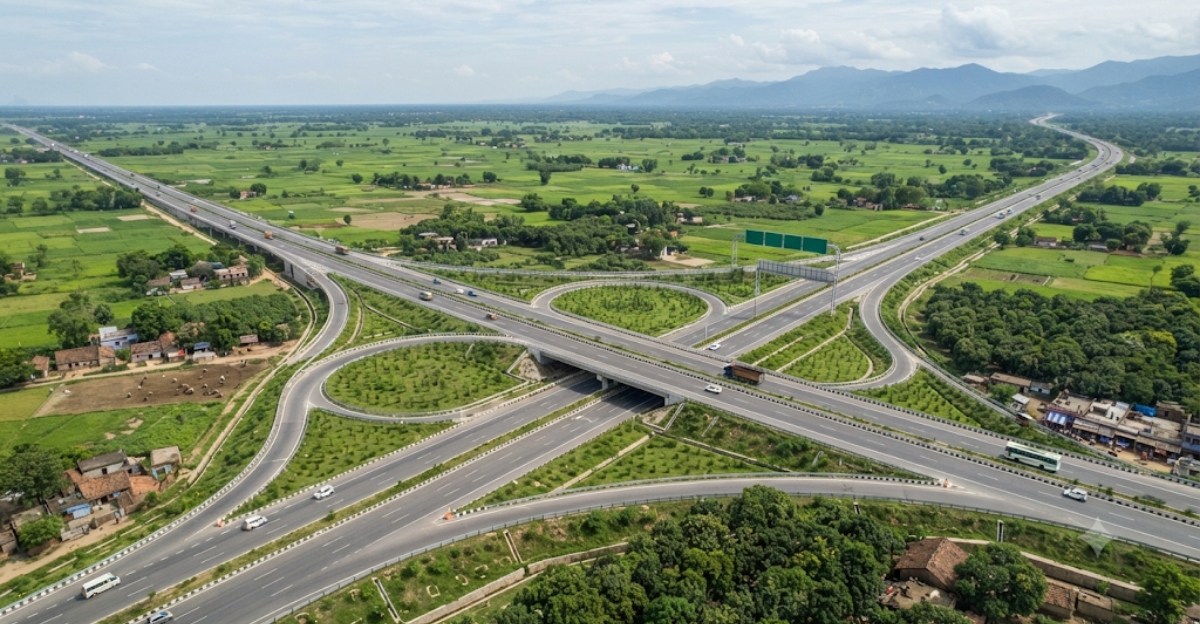
Patna: Bihar’s Champaran region could witness a major transformation in road connectivity in the coming years, with three major expressway projects planned to pass through the area. The Bakarpur-Bettiah, Gorakhpur-Siliguri and Raxaul-Haldia corridors are expected to strengthen road links between Bihar, Uttar Pradesh, West Bengal and the Nepal border.

The projects are likely to improve connectivity for East and West Champaran while creating new opportunities for trade, transportation and regional economic development. However, the three projects are currently at different stages of development, with some still awaiting key approvals.
Bakarpur-Bettiah Corridor to Make Patna-Bettiah Travel Easier

The 162.3-km-long Bakarpur-Bettiah corridor will connect Saran, Vaishali, Muzaffarpur, East Champaran and West Champaran. The project is being developed in three sections.
According to information presented in Parliament in February 2026, around 20.25 per cent of the 38.81-km Bakarpur-Manikpur section had been completed. The 44.65-km Manikpur-Sahebganj section was at the implementation stage, while the tendering process was underway for the 78.94-km Sahebganj-Araeraj-Bettiah section.
On April 13, 2026, the Chief Minister inspected construction work on the Bakarpur-Manikpur stretch. At the time, the target for completing this section was set for April 2027.
Once the entire corridor becomes operational, the journey between Patna and Bettiah is expected to take around three hours, significantly improving connectivity between the state capital and West Champaran.
Gorakhpur-Siliguri Expressway to Connect UP and West Bengal
The proposed Gorakhpur-Siliguri Expressway will pass through eight districts of Bihar: West Champaran, East Champaran, Sheohar, Sitamarhi, Madhubani, Supaul, Araria and Kishanganj.
In West Champaran, the proposed route will pass through the Bairia and Nautan blocks.
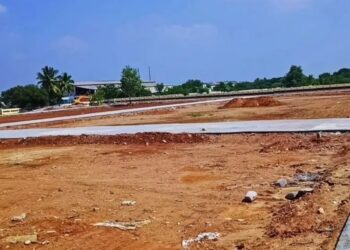
According to a January 2026 report, approximately 187.23 hectares of land will need to be acquired in West Champaran for the project. In May, land measurement activities and the preparation of Land Possession Certificates (LPCs) for farmers’ compensation were reportedly expedited in the Nautan area.
However, construction had not started as of November 2026. The National Highways Authority of India (NHAI) has reportedly estimated the revised project cost at around 73,000 crore rupees.
The proposal is still awaiting clearance from the Public-Private Partnership Appraisal Committee (PPPAC), followed by approval from the Union Cabinet.
Raxaul-Haldia Expressway to Improve Access to Haldia Port
The proposed Raxaul-Haldia Greenfield Expressway will begin in Raxaul in East Champaran and extend to Haldia Port in West Bengal.
The project aims to provide better road connectivity between the Nepal border and one of eastern India’s major ports, potentially strengthening freight movement and cross-border trade.
In East Champaran, around 72 kilometres of road development and approximately 500 hectares of land are reportedly required for the project.
The proposed expansion of Raxaul Airport has also led to changes in the alignment of the initial stretch. According to an August 2026 report, the revised design had been sent to the Ministry of Road Transport and Highways for approval.
Earlier, in January 2026, a gazette notification related to land acquisition for the first package of the project was issued.
Farmers and Businesses Could Benefit from Better Connectivity
The completion of these three expressway projects could bring significant benefits to farmers, traders and local businesses across the Champaran region.
Farmers may find it easier to transport agricultural produce to larger markets, while businesses in Raxaul could benefit from improved road access to Haldia Port. Better freight connectivity is also expected to support commercial activities across the region.
Additionally, areas surrounding the expressways could witness growth in warehouses, hotels, roadside restaurants, transport services and vehicle repair facilities, potentially generating new employment opportunities.
However, the actual economic benefits will depend on the completion of construction work, development of connecting roads and the eventual operationalisation of these corridors.