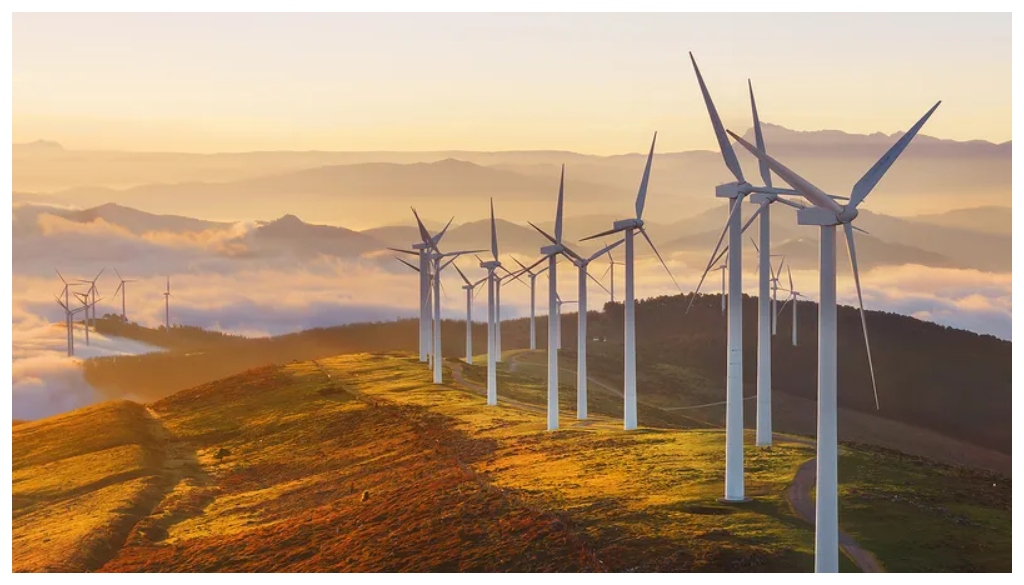


Patna: Bihar government has unveiled an ambitious plan to generate 23,968 MW of renewable energy and develop 6,100 MWh of energy storage capacity by the end of the 2029-30 financial year, marking a major push toward clean energy and climate commitments.
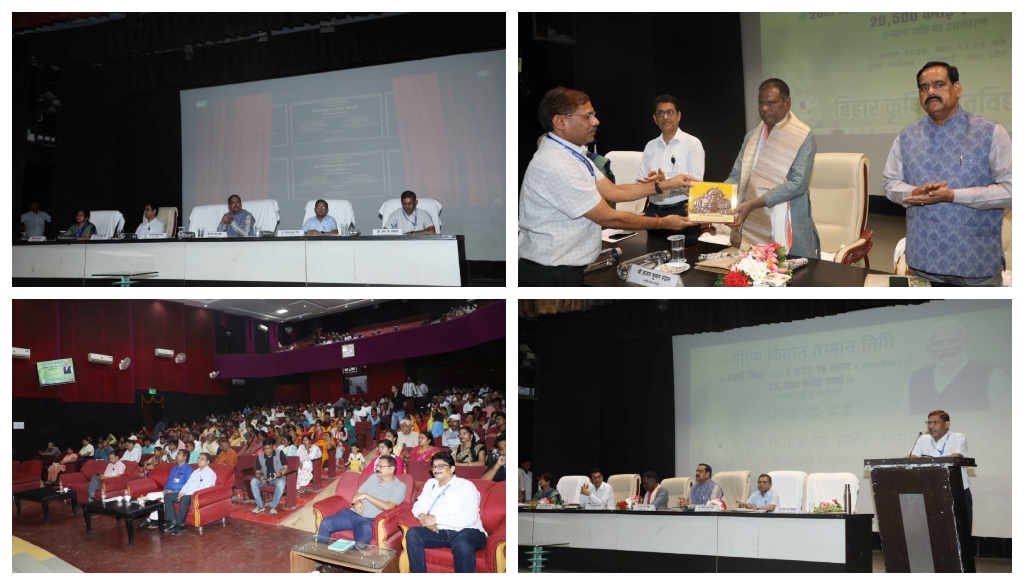
The state government’s new renewable energy policy outlines an expansive framework that includes solar, wind, hydro, biomass, and waste-to-energy sources. Unveiled at a function in the state capital, the Bihar Policy for Promotion of New & Renewable Energy Sources 2025 and the Bihar Policy for Promotion of Pumped Storage Project 2025 aim to align with India’s national goal of achieving net zero emissions by 2070.
According to the policy document, solar energy will contribute the largest share, with 18,448 MW expected from ground-mounted projects. Additional targets include 900 MW from solar parks (each of at least 20 MW capacity), 495 MW from floating solar installations, and 400 MW from elevated solar projects constructed over ponds.
The policy also includes goals for other clean energy segments:
-
1,975 MW from on-grid distributed renewable sources
-
500 MW from rooftop solar
-
340 MW from off-grid renewable energy
-
250 MW from small hydro projects
In terms of storage, the state plans to create 1,600 MW of pumped storage capacity and 4,500 MW of grid-level battery storage, bringing the total energy storage target to 6,100 MWh.
To facilitate this transition, the state’s energy department has signed memoranda of understanding (MoUs) with four companies, pledging investments totalling Rs 5,337 crore to develop 2,357 MW of clean energy capacity. Agreements were signed with L&T, NTPC, Avaada Group, and SECI Ltd through Bihar State Power Generation Company Ltd and the Bihar Renewable Energy Development Agency (BREDA), the latter serving as the nodal agency for most renewable projects.
Energy minister Bijendra Prasad Yadav urged companies to invest in Bihar, citing the state’s growing demand and favourable conditions for clean energy projects.
The policy offers a range of incentives aimed at attracting large-scale investment, including 100% exemption in stamp duty and registration fees for industrial land, full reimbursement of land conversion charges, and complete waivers on transmission, wheeling, and electricity duty. Additional incentives include:
-
Single-window clearance system
-
Open access for power producers
-
Energy and carbon credit banking
-
Feed-in and green tariffs
-
Relaxed building height norms for rooftop installations
-
Grid connectivity facilitation
-
Industry status for renewable energy ventures
Energy department secretary Manoj Kumar Singh said the comprehensive nature of the policy and the financial incentives make Bihar an attractive destination for renewable energy developers.