By Ishita Singh
New Delhi/Patna: The Mithila region on Tuesday evening witnessed the vibrant celebration of Chaurchan Puja, as women across households observed fasting and performed rituals dedicated to the Moon God. The festival was also celebrated with equal enthusiasm by the Maithil community living in Delhi, reflecting how the tradition has travelled beyond Bihar with its people.
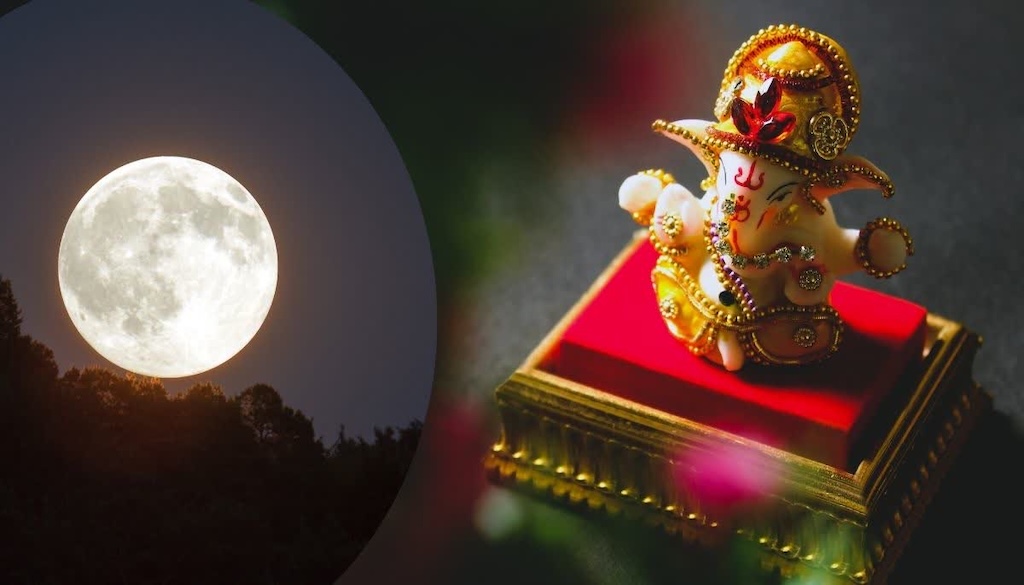
The festival, rooted in both mythology and history, is linked to the tale of Lord Ganesha and Chandra Deva, where the moon was cursed to bring false stigma upon those who saw it on Ganesh Chaturthi. Worshipping the moon on this day is believed to ward off such misfortune.
Historians note that Chaurchan became popular in Mithila during the 16th century, when King Hemangad Thakur was released from Mughal imprisonment after impressing Emperor Akbar with his astronomical text Grahan Mala. On his return, Queen Hemalata declared the moon free from stigma, and the king proclaimed Chaurchan as a Lok Parva (folk festival) of Mithila.
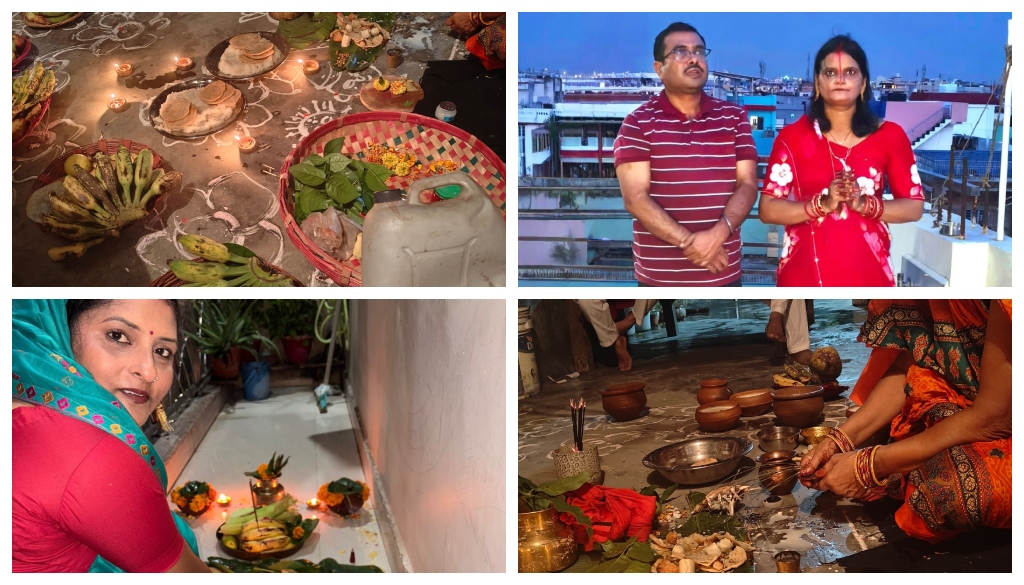
As part of the vidhi (procedure), women observed a day-long fast and prepared rice flour paste in the evening to draw sacred motifs. Fruits, curd, flowers, and lamps were offered, and the arpan ritual was performed at moonrise before breaking the fast.
Rekha Choudhary, a devotee from Darbhanga explained, “We fast for the prosperity of our family and worship the moon to protect ourselves from false accusations, just as the tradition teaches us.”
Even in Delhi, Maithil families gathered in community spaces to observe the rituals together. Pinki Devi, a resident of Kalindi Kunj, said, “Though we are away from Mithila, celebrating Chaurchan here keeps us connected to our roots. Our children also learn the cultural values through this festival.”
Elderly women stressed the cultural value of the puja. Kishori Devi, a 60-year-old from Chandpura, said, “We have seen this tradition passed down for generations. For us, Chaurchan is not only about faith but about keeping Mithlanchal’s identity alive.”

The festival holds deep importance in Mithila and beyond, as it is believed to ensure family prosperity, protect devotees from false stigma, and preserve cultural traditions. The occasion also saw neighborhoods come alive with Maithili folk songs and collective worship, reinforcing community bonds.