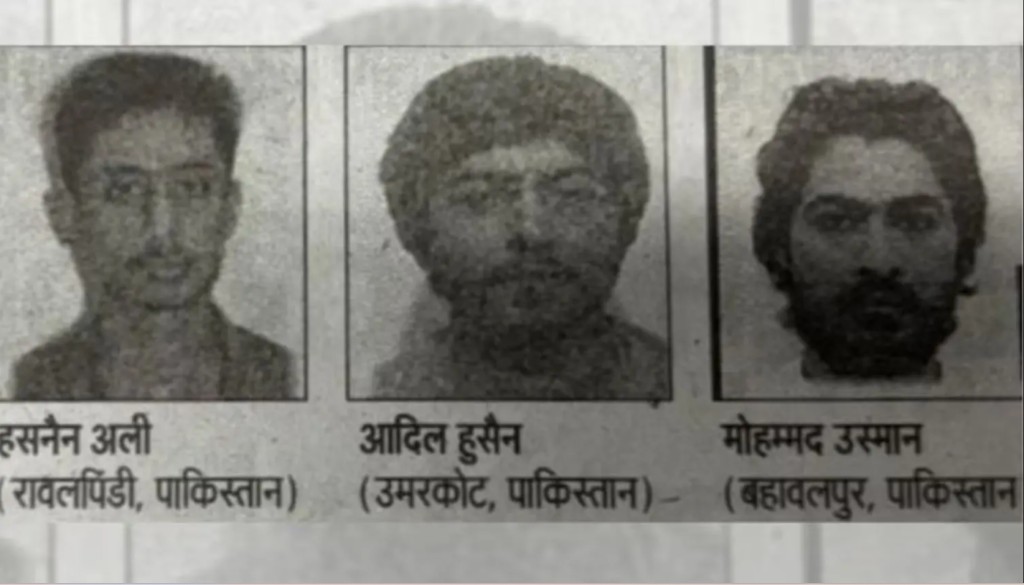
Patna: Authorities in Bihar have issued a high alert after intelligence reports indicated that three Pakistani nationals linked to the militant group Jaish-e-Mohammed may have entered the state through Nepal. The police have released photographs of the suspects: Hasnain Ali from Rawalpindi, Adil Hussain from Umarkot, and Mohammad Usman from Bahawalpur.

The men are believed to have crossed into Bihar via Araria district, a region bordering Nepal, prompting state authorities to instruct all districts to maintain heightened surveillance, monitor suspicious activity, and gather intelligence.
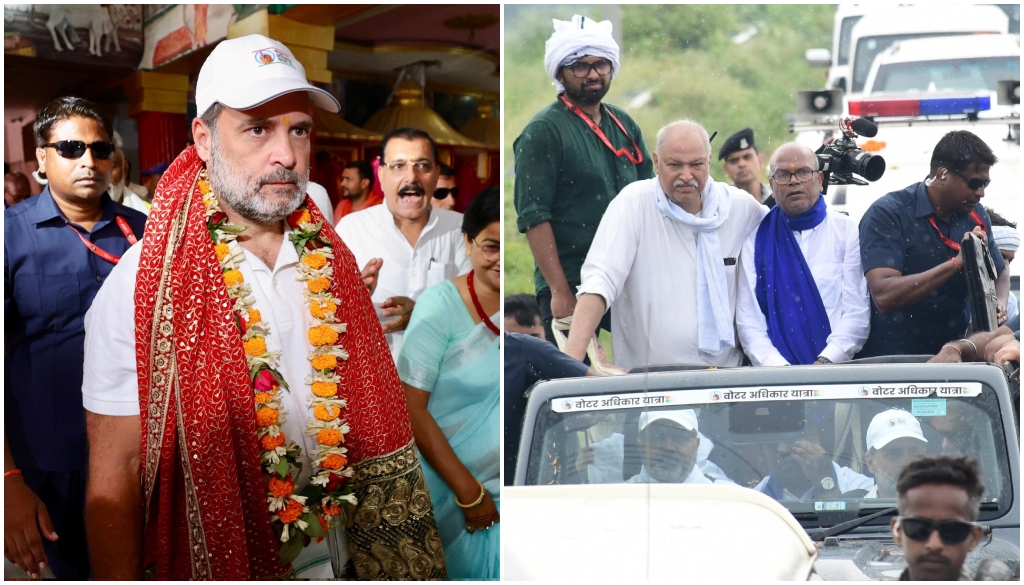
The development comes as Rahul Gandhi’s Voter Adhikar Yatra moves through northern Bihar, including districts adjacent to Nepal. Gandhi recently visited Madhubani and Supaul, and on Wednesday travelled from Sitamarhi to Motihari, bypassing planned stops amid security concerns. Public roadshows were cancelled, and the politician now travels in a closed vehicle rather than the previously scheduled open jeep.

Intelligence suggests that the terrorists may have entered Kathmandu in the second week of August before crossing into Bihar last week, with the potential objective of carrying out a major attack, although this has not been officially confirmed.
Bihar shares a 729 km border with Nepal, with seven districts adjacent to the border, making infiltration comparatively easier. In May, 18 suspects, including a Khalistani, were reported to have entered Bihar within 20 days. The state’s open border with Nepal has long been a concern for security agencies, with reports of fake identity documents, informal footpath crossings, and disguised entrants facilitating illegal entry.
Responsibility for border security is divided among multiple agencies: the Sashastra Seema Bal (SSB) patrols the Nepal and Bhutan borders, the Border Security Force (BSF) oversees Pakistan, Afghanistan, and Bangladesh, the Indo-Tibetan Border Police (ITBP) monitors China, and Assam Rifles secures the Myanmar border.
Authorities have intensified patrolling and monitoring along the Nepalese border, particularly in areas along the Diara of Virpur, Nirmali, and the Kosi river. Check posts are operational 24/7, with close scrutiny of social media, phone communications from Pakistan, hotel registrations, and tenant verifications. Drone operations within 10 kilometres of the border are prohibited, and intelligence agencies in both India and Nepal are coordinating to track potential threats.