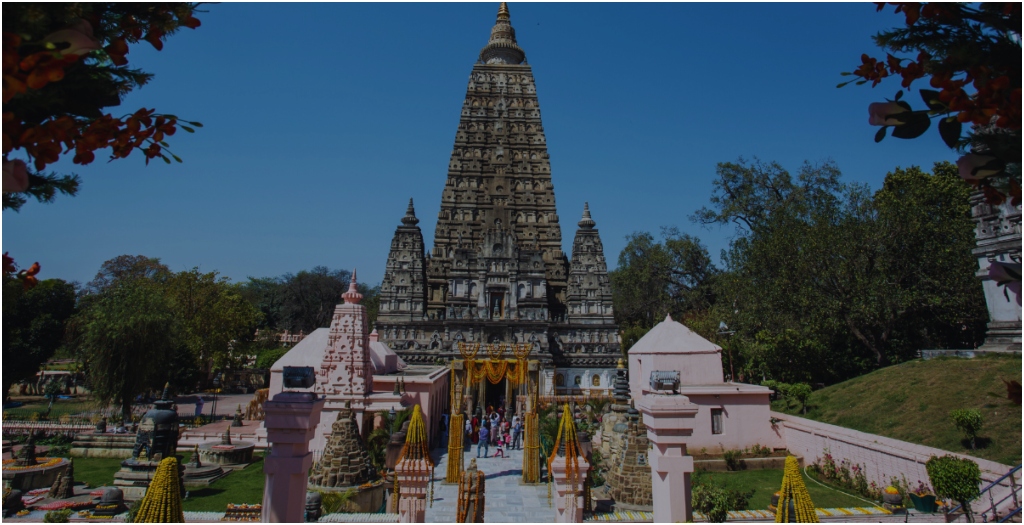
Gayaji: Gayaji in Bihar is one of the most important religious sites in India, especially during Pitru Paksha, when people from across the country arrive to perform Pind Daan and Tarpan for their ancestors. According to Sanatan Dharma, offering these rituals helps bring peace to the souls of forefathers while ensuring welfare and prosperity for future generations. The banks of the Falgu River in Gayaji become the centre of faith during this period, with lakhs of devotees participating every year.

Pitru Paksha falls in the Krishna Paksha of the Bhadrapada or Ashwin month. It is considered the most sacred time to remember and honour one’s ancestors. Religious texts say that performing Pind Daan not only pleases the ancestors but also ensures harmony in the family. Apart from Gayaji, devotees also perform these rituals at holy places such as Prayagraj, Haridwar, Pushkar, Pahalgam and Gokarna, but Gayaji is seen as the most special among them.
The uniqueness of Gayaji lies in its deep connection with ancient traditions and mythology. The Puranas describe Gayaji as Moksha Sthal because Lord Vishnu is believed to reside here as Pitradev. It is said that by performing Pind Daan in Gayaji, a person brings salvation to 108 families and seven future generations. The ritual here is believed to free one from Pitra Rin, the ancestral debt, forever.

The site’s significance is also tied to great epics. According to legend, Lord Rama performed Pind Daan in Gayaji for his father, King Dasharath, on the banks of the Falgu River. The Pandavas are also believed to have carried out the same rituals here during the Mahabharata period. These stories have made Gayaji the most revered destination for ancestor worship. During Pitru Paksha, a grand fair is held where thousands gather, turning the city into a sea of devotion and faith.