Aastha Sinha & Tanmay Mishra
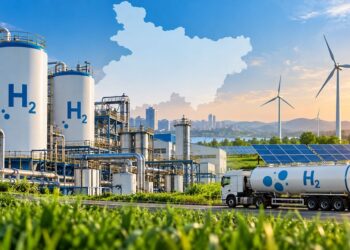
Amidst the urgent need for transition to renewable energy, Bihar stands at a critical juncture in its developmental journey. With the looming specter of climate change and the imperative to support the country’s net-zero targets, the state’s transition to renewable energy sources becomes not just a matter of choice but one of necessity.

In this context, the country’s initiatives towards rooftop solarisation under the Pradhan Mantri Surya Ghar Yojna are commendable steps forward. Even the ‘Climate Resilient and Low Carbon Development Pathway for Bihar’ initiative shows the appreciated effort by the state government towards climate resilience and mitigation.
However, as Bihar progresses towards a greener future, it’s essential to ensure that the benefits of these initiatives are distributed equitably across all segments of society and reach the last mile. This is particularly important as the impact of climate change as well as costs and benefits of climate adaptation are not class or gender neutral. (IPCC 2014).

Gender Disparities in Climate Change Impact
Contribution of Working Group II to the Fifth Assessment Report of the Intergovernmental Panel on Climate Change (IPCC) has been documented to have a disproportionately larger impact on women, tribals and the economically weaker sections and has led to compounded vulnerabilities. Women, in particular, experience unique vulnerabilities due to climate change. The findings of the IPCC 2014 indicate that climate-related hazards exacerbate existing gender disparities, leading to increased burdens on women, exposure to occupational risks, both indoor and outdoor, heightened psychological and emotional strain, and elevated mortality rates relative to men.
World Economic Forum notes that exposure to both air pollution and heat has been linked to adverse outcomes in pregnancy, including preterm birth, low birth weight, and maternal health complications such as gestational diabetes. Additionally, these environmental factors can exacerbate menopausal symptoms and elevate prenatal maternal stress levels.
These disruptions not only affect physical well-being of women and children but also contribute to heightened household stresses such as increased medical spending and stigma associated with infertility and even domestic violence.
Amplifying Social Inequalities: The Impact on Marginalized Communities
Climate change has led to an increase in extreme weather events which has in turn exacerbated existing societal issues such as child marriages. A recent study published in the journal International Social Work suggests that extreme weather events amplify structural oppression factors like gender inequality and poverty, leading to a rise in instances of child, early, and forced marriage (CEFM). In situations of extreme weather, gender-based violence (GBV) and inequalities are exacerbated. This negatively affects the resilience of women and girls during weather extremes and disasters. The study cautioned that development efforts could perpetuate or overlook gender disparities if they fail to address gender and other social inequalities deliberately.
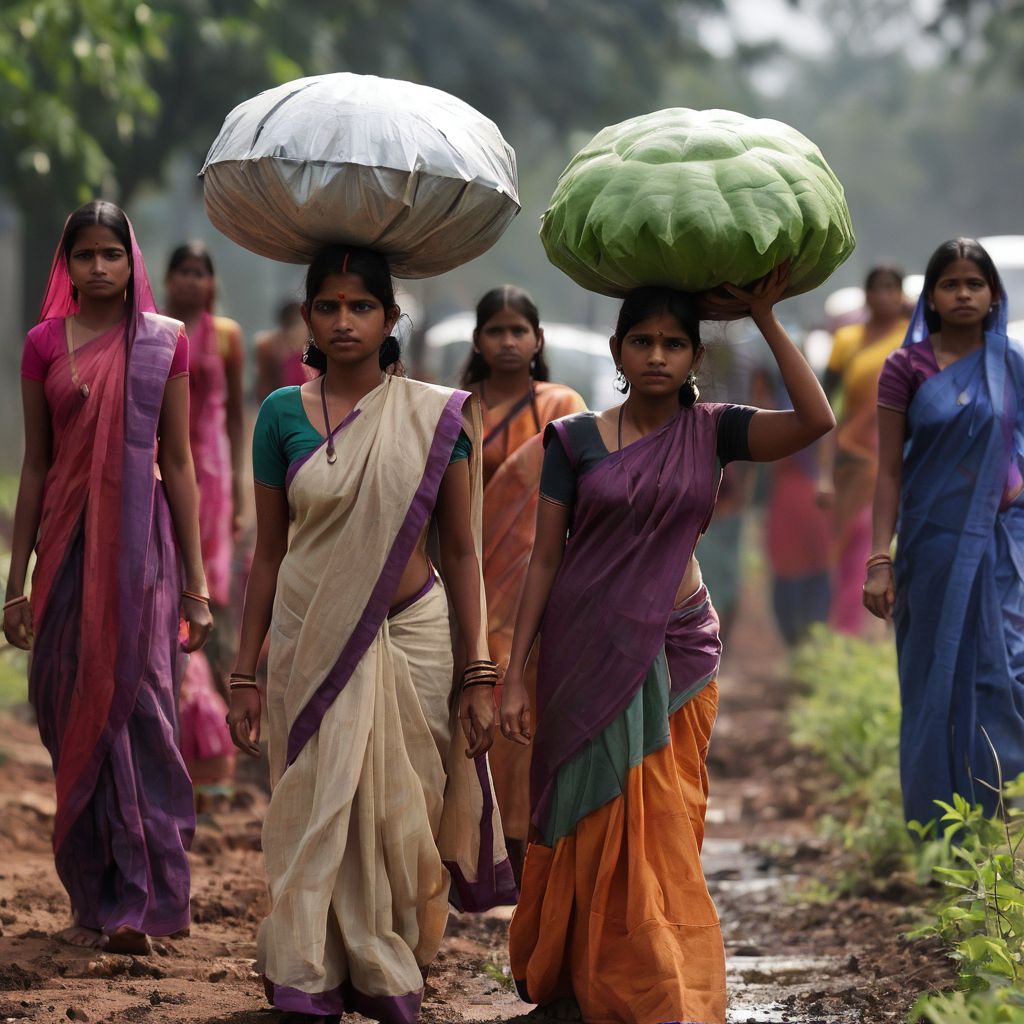
Additionally, marginalized communities often rely heavily on agriculture for their livelihoods. Climate-induced stresses such as erratic rainfall patterns and extreme weather events can lead to crop failures, causing economic catastrophe for these communities due to loss of traditional occupations and forced displacement. For instance, the increasing incidence of floods in Saharsa district has led to forced migration of most of the male population to cities in search of jobs, where they end up as the urban poor. Such cases of forced displacement also cause additional hardships to women in the form of increasing their workload and feminisation of agriculture.
Further, climate change is projected to reduce crop yields in India to the tune of 47% and 40% for rice and wheat respectively by 2080 which will pose a challenge for the food security of the nation making the women and marginalised population all the more vulnerable.
It is crucial to recognize that despite having the lowest ecological footprint, marginalized communities bear the brunt of climate change due to their limited economic resources and lack of adaptive capacity. Efforts to mitigate climate change must therefore consider the economic and cultural limitations of these communities to avoid further disempowerment.
Leveraging Climate Justice for a Just Transition
In such a context there is a need to ensure climate justice. It is a framework and movement that advocates for the fair treatment of all people and the equitable distribution of the burdens and benefits of climate change mitigation and adaptation efforts. It is premised on principles of human rights, equity and shared responsibility and envisages a transition to renewable energy, which is fair and inclusive. The IPCC urges for embodying the principles of climate justice within processes towards clean energy to ensure a Just Transition. Thus, in the spirit of climate justice and just transition, it becomes important to leverage the support and resources of the more affluent segments to drive down costs and enhance accessibility for all and for marginalized sections, in particular.
One economic law that underscores this principle is the law of economies of scale. Put simply, this law dictates that as the scale of production increases, the cost per unit decreases. In the context of solar initiatives, this means that by increasing the overall demand for solar technologies, particularly among the affluent segments who have the purchasing power, the cost of solar panels, batteries, and other associated components can be significantly reduced.
Affluent individuals, especially those in tier- 2 cities and established entrepreneurs, possess the financial means to invest in rooftop solar installations and distributive renewable energy (DRE appliances for their homes and businesses. By doing so, they not only reap the benefits of reduced energy bills and environmental sustainability but also contribute to driving down the overall cost of solar technologies through increased demand.
This approach has an additional merit of promoting climate transition by addressing those carbon emitters and polluters first, who have a considerably larger ecological footprint than the marginalized and low-income group, thus providing more carbon space and adaptation time to the latter in addition to reduced costs. This would enable the marginalized sections to participate in the climate mitigation efforts at their own pace without compromising with their economic and cultural wellbeing.
Moreover, affluent segments can play a pivotal role in financing and subsidizing solar initiatives for less affluent communities. Through innovative financing mechanisms such as community solar programs or microfinance initiatives, they can provide access to capital for vulnerable populations to invest in solar solutions. Additionally, through corporate social responsibility (CSR) initiatives, businesses can channel funds towards subsidizing solar installations in rural areas, thereby expanding access to clean energy. This will not only enable climate change mitigation but also promote upward economic mobility of the weaker sections by providing them affordable adaptation technologies to reduce their vulnerability from climate related catastrophes.
Women Empowerment Through Renewable Energy
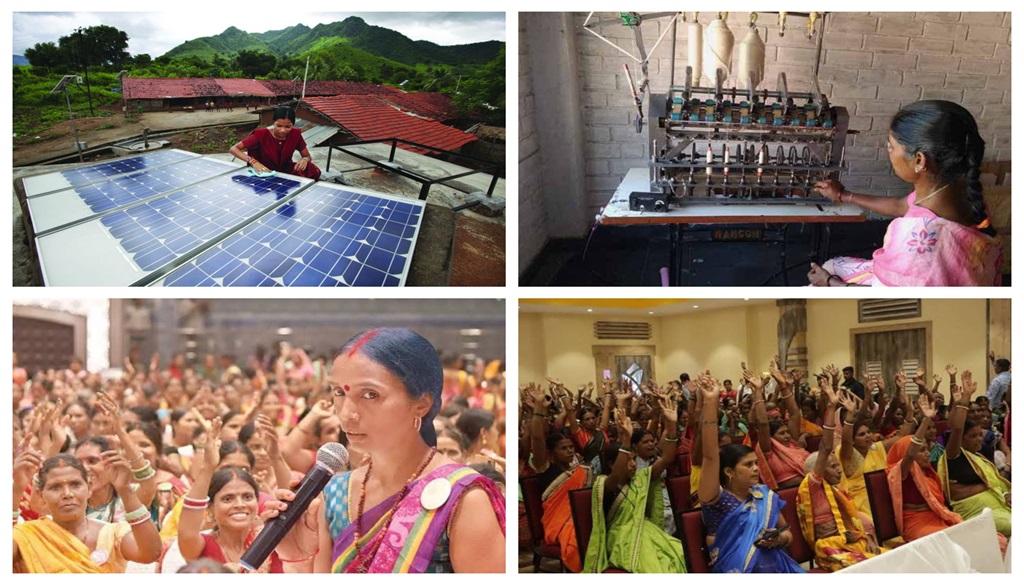
According to a report by United Nations Development Programme (UNDP) on gender equality and Agenda for Sustainable Development by International Renewable Energy Agency (IRENA) on ‘Renewable Energy: A Gender Perspective’, transitioning to renewable energy sources presents a pathway to gender empowerment, particularly benefiting women entrepreneurs and farmers facing intersecting challenges of class, gender, and caste. A just transition would reduce reliance on traditional biomass fuels, such as firewood and dung which are labour and time intensive to procure and cause particulate pollution.
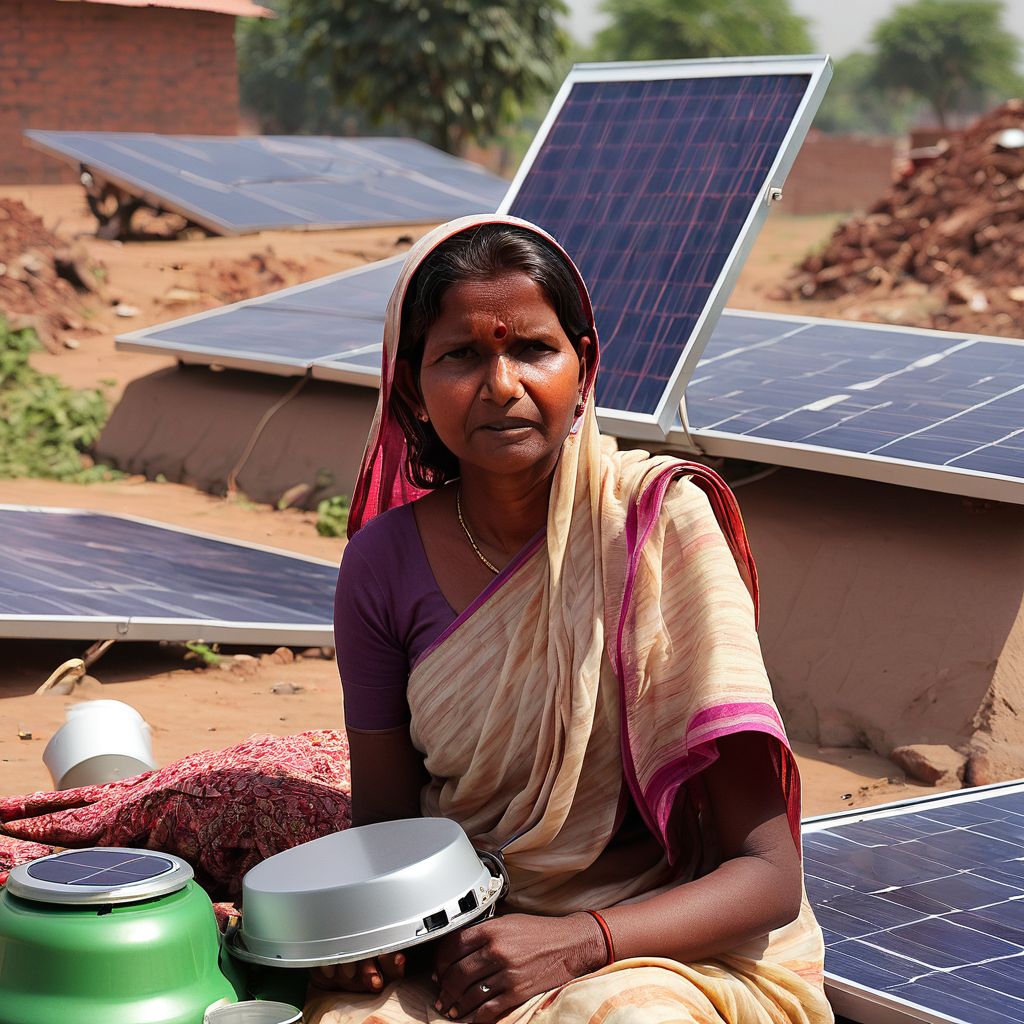
Renewable energy access can free up women’s time and resources for other productive and economically remunerative activities. Moreover, initiatives promoting women’s participation in renewable energy projects and enterprises create economic opportunities, foster financial independence and challenge traditional gender norms. Ownership and operation of renewable energy systems empower women socially and economically, while enhancing resilience to climate change impacts, such as droughts and floods. Overall, integrating gender considerations into renewable energy policies and programs is crucial for achieving inclusive and equitable development outcomes.
Collective Responsibility for Sustainable Future
By harnessing the collective power of both affluent and vulnerable segments of society, Bihar can accelerate its transition to renewable energy while fostering inclusivity and equitable development. Initiatives that promote collaboration and mutual support between these segments hold the potential to not only drive down costs but also foster a sense of collective responsibility towards building a sustainable future for all. Implementing initiatives to harness the collective power of both affluent and vulnerable segments of society in Bihar for accelerating the transition to renewable energy and fostering inclusivity and equitable development requires a multifaceted communication approach.

By incorporating cultural narratives, hyperlocal information, and trusted messengers into communication strategies, Bihar can effectively engage diverse communities. Framing renewable energy adoption within the context of local traditions and values, providing hyperlocal information about benefits and opportunities, and leveraging trusted community leaders and influencers as advocates can inspire collective action and mutual support. This inclusive approach not only drives down costs through collaboration but also cultivates a shared sense of responsibility towards building a sustainable future for all residents of Bihar. A graded approach cognizant of differing capacities of diverse strata of societies is imperative to foster climate justice where every citizen becomes a benefactor as well as beneficiary to the growth story of Bihar.
Bihar’s Integral Role in National Sustainability
In the broader context of national sustainability, Bihar’s efforts towards renewable energy adoption are integral to supporting India’s ambitious net-zero targets. As one of the most populous states in the country, Bihar’s transition to renewable energy sources will contribute significantly to reducing carbon emissions and mitigating the impacts of climate change. By embracing renewable energy technologies and fostering a culture of sustainable consumption and production, Bihar can emerge as a beacon of environmental stewardship and economic resilience in the journey towards a net-zero future. The graded approach can serve as a template for a climate just transition in other states of India which are just as marked by socio economic disparities.
The transition to renewable energy in Bihar is not just a technological imperative but a moral and economic imperative as well. By harnessing the collective power of all segments of society and leveraging economic principles such as economies of scale, the state can accelerate its transition towards a greener and more inclusive future while supporting India’s broader goals of achieving net-zero emissions.