Jamui/Patna: A Bar-headed Goose tagged in Mongolia and fitted with a red collar bearing the number B08 has returned to the Nagi-Nakti Bird Sanctuary in Jamui district, renewing scientific excitement about the site’s rising prominence on the global migratory map. The collar was placed by the Bombay Natural History Society (BNHS) during last year’s monitoring exercise, making the bird’s reappearance a striking confirmation of the sanctuary’s safety and suitability.

The first phase of this winter’s waterfowl census, conducted on December 5–6, recorded around 3,000 birds at Nakti and 2,000 at Nagi. The survey documented 35 species at Nakti and 39 at Nagi, with the Red-crested Pochard and Eurasian Coot emerging as the most numerous species.
Arvind Mishra, member of the BNHS governing council and a leading ornithologist, said the return of the B08-marked goose underscores the growing reliability of the habitat. “Its return proves that Nagi-Nakti has become an extremely safe and favourable site for migratory birds,” he said.

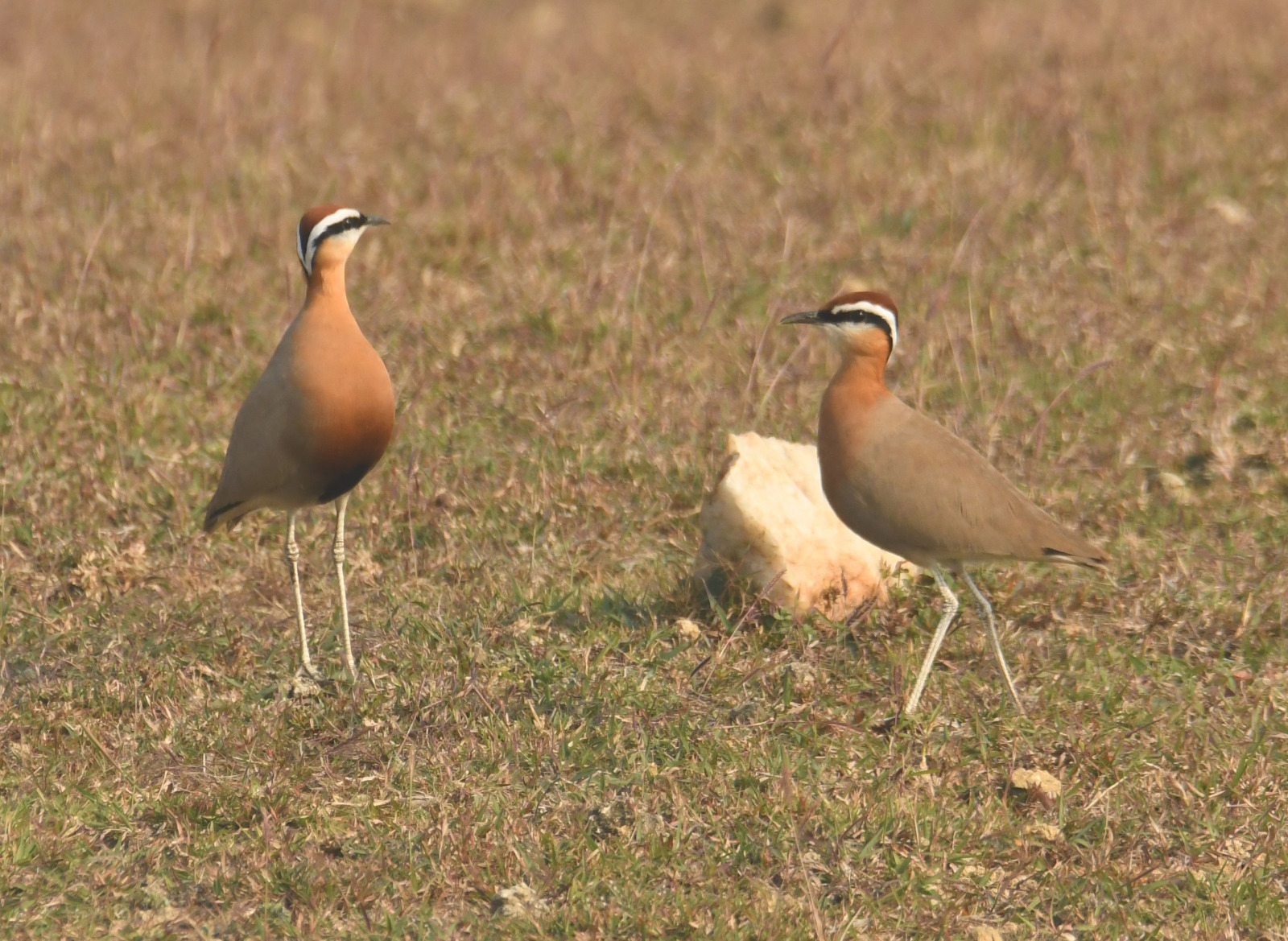
The census also recorded strong numbers of Indian Coursers and Chestnut-bellied Sandgrouse — species considered a treat even for seasoned birdwatchers. Predators such as the Booted Eagle, Osprey and Great Crested Grebe have also been seen.

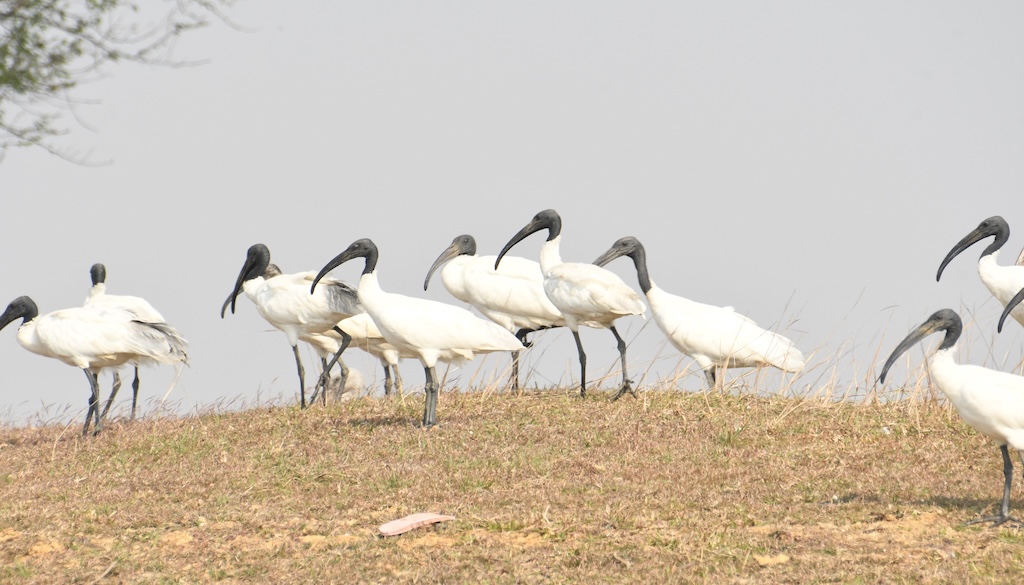
This year, the sanctuary has received large flocks of Wigeon, Gadwall, Common Pochard, Northern Pintail, Ruddy Shelduck, Northern Shoveler, White-eyed Pochard and Common Teal. Among resident species, the Painted Stork, White Ibis, Black-headed Ibis, Little Cormorant and Little Grebe were prominent.
The Asian Winter Waterfowl Census, carried out jointly by the Forest, Environment and Climate Change Department and BNHS, began with surveys of selected wetlands. The next phase will cover around 115 reservoirs across Bihar in January and February, with the final review at the end of winter.
The Jamui survey team was led by Mishra with support from experienced bird guides Sandeep Kumar, Manish Kumar Yadav, Shyam Sundar Yadav and Yugal Kumar, along with Prashant Kumar from Khagaria.
Mishra urged birdwatchers and the public to immediately inform forest authorities or BNHS if they spot any bird carrying a ring, collar or transmitter. “These sightings provide crucial data on migration routes,” he said.
With its expanding list of visitors and repeat arrivals from thousands of kilometres away, Nagi-Nakti is fast emerging as one of the subcontinent’s most reliable wintering grounds for migratory birds.