Patna: India’s journalism landscape has evolved rapidly, with web reporting now playing a crucial role in the speed and reach of information. In this shifting environment, the Web Journalists Association of India (WJAI) has completed seven years of advocacy, growth, and recognition, charting the journey of digital journalism from marginalisation to mainstream acceptance.

For years, web journalists operated on the periphery, with little institutional support, legal protection, or collective voice. Seven years ago, WJAI was founded to fill this gap, not just as an organisation but as a platform defending the rights, dignity, and recognition of digital reporters.
From struggle to organisation

In its early years, WJAI faced challenges on multiple fronts. Yet, through persistent efforts to unite journalists, raise their concerns, and engage with authorities, the association gradually became a credible platform, providing both recognition and confidence to digital media practitioners.
Anand Kaushal, WJAI’s national president, emphasises the values underpinning this journey:
“Web journalism today is one of the most powerful sources of information. Our aim has never been merely to form an organisation; it has been to give journalists respect, safety, and accountability. Digital media is the backbone of democracy, and strengthening it is everyone’s responsibility.”
2023: National resonance from Patna
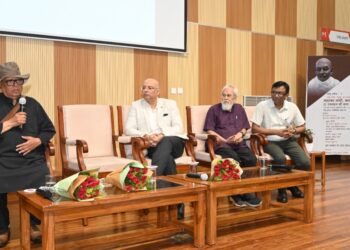
In 2023, WJAI organised a landmark event in Patna at Hotel Panache, bringing together ministers, senior journalists, and media professionals. The programme became a hub for serious discussion on rights, safety, and media freedom, signalling the association’s growing influence.
2025: Digital journalism gains national recognition in Delhi
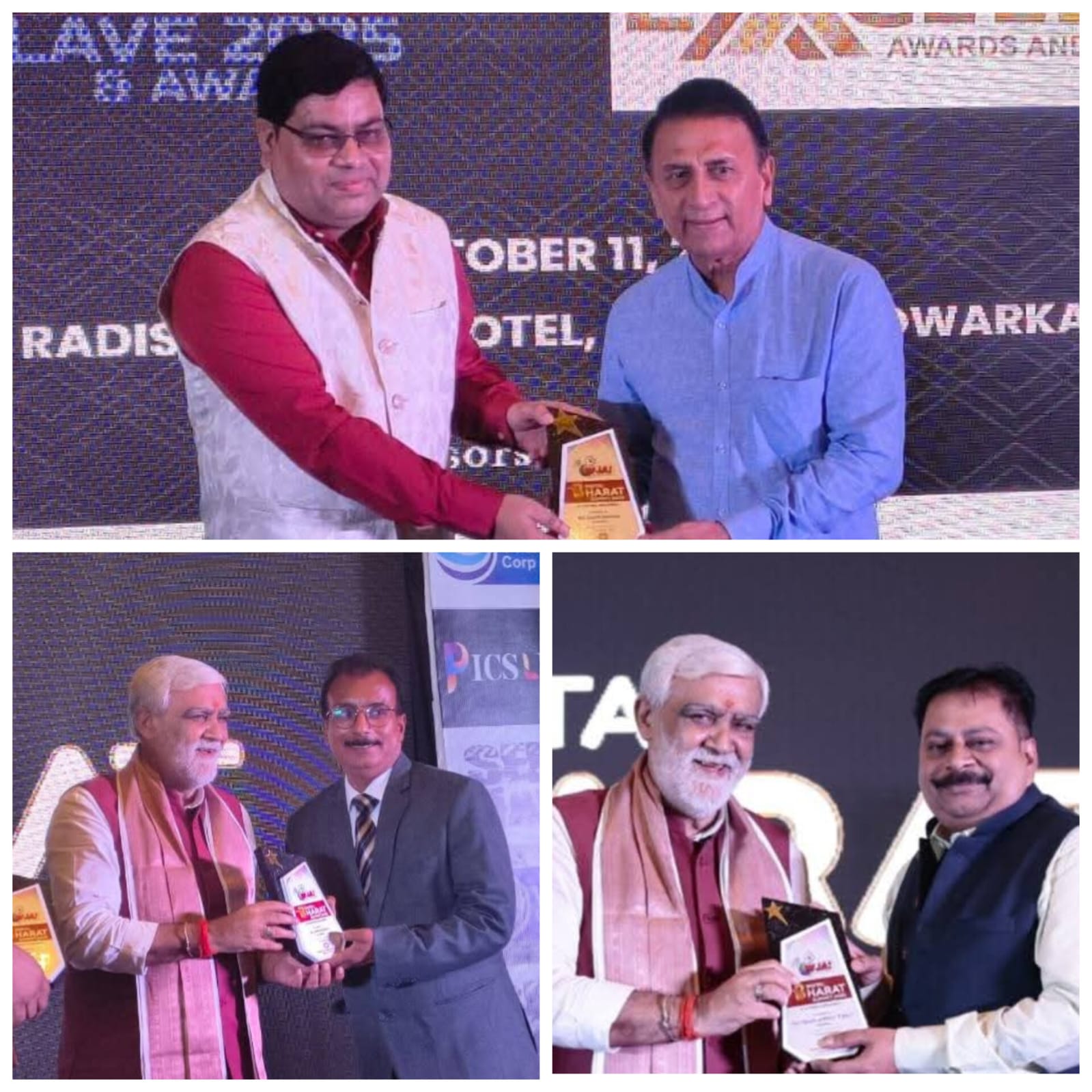
By 2025, WJAI had secured a national platform in New Delhi at Hotel Blue Radiation. Cricket legend Sunil Gavaskar attended as the chief guest, further elevating the association’s profile. The event underlined that web media is no longer an alternative; it has become a recognised pillar of India’s journalistic mainstream.
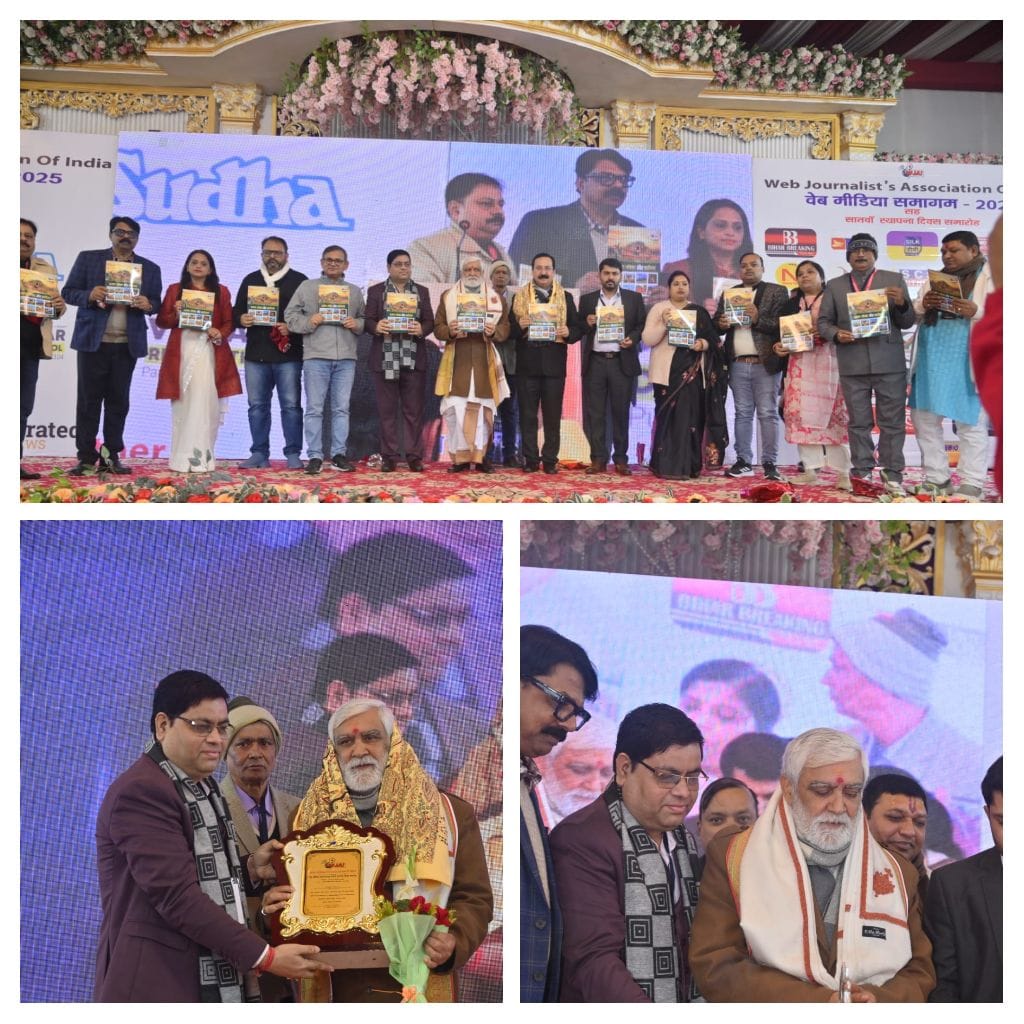
December 2025: A historic chapter in Bhagalpur
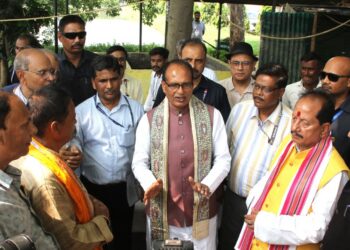
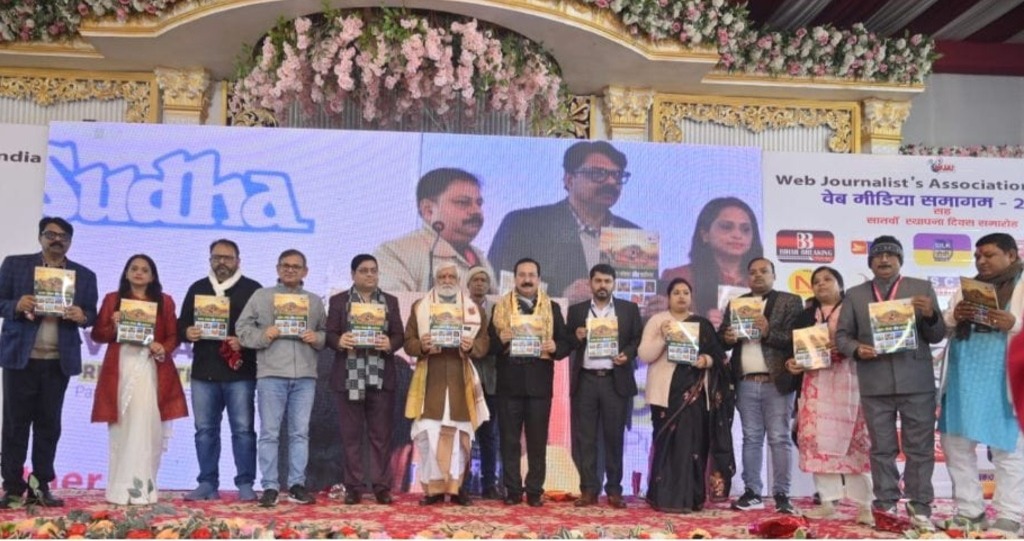
The year ended with a historic event in Bhagalpur, attended by former central minister Ashwani Chaubey, Brijesh Singh, Prof. Sanjay Dwivedi, and other prominent journalists. The programme highlighted the social and political significance of digital journalism, cementing its role as a key contributor to democratic discourse.
The association’s role and future
Over the past seven years, WJAI has gone beyond organising events to actively engage in journalist training, digital ethics, media law, and safety initiatives. The association has spoken out against harassment, negotiated with authorities, and worked to ensure ethical, fair, and public-interest reporting.
Amid rising challenges of misinformation, digital pressures, and information warfare, WJAI’s role is more vital than ever. Its future success will depend on how effectively it continues to foster responsible, impartial, and democratic digital journalism.
A successful journey
The seven-year journey of the Web Journalists Association of India demonstrates that organised effort, clear vision, and adherence to journalistic values can make digital media a pillar of democracy. This is not just the story of an association, but of collective recognition and respect for web journalism in India.