Patna: The Bihar government has approved an expanded and technology-driven framework for maintaining the state’s road network, with artificial intelligence and stricter contractual norms at the centre of a new seven-year plan.

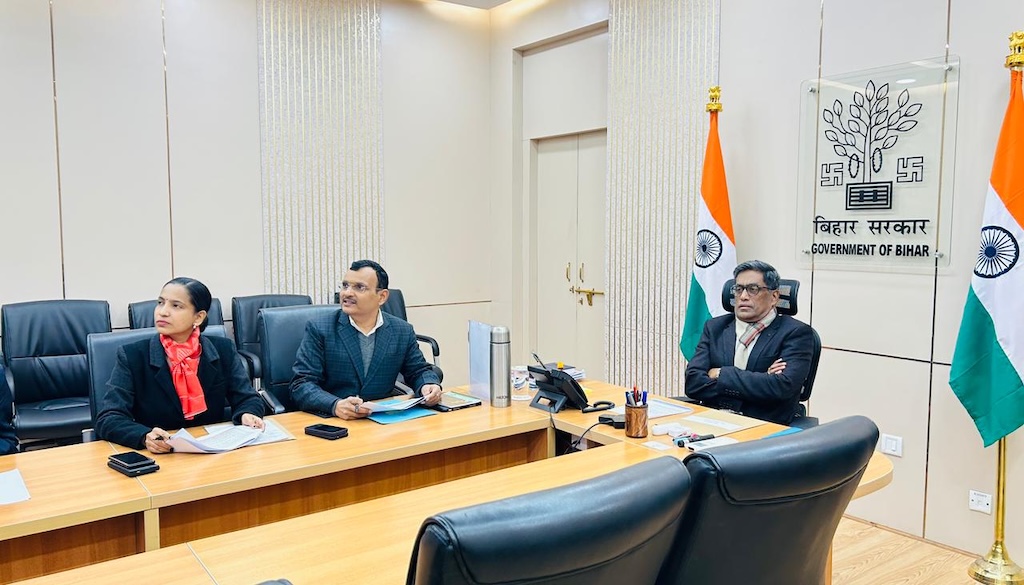
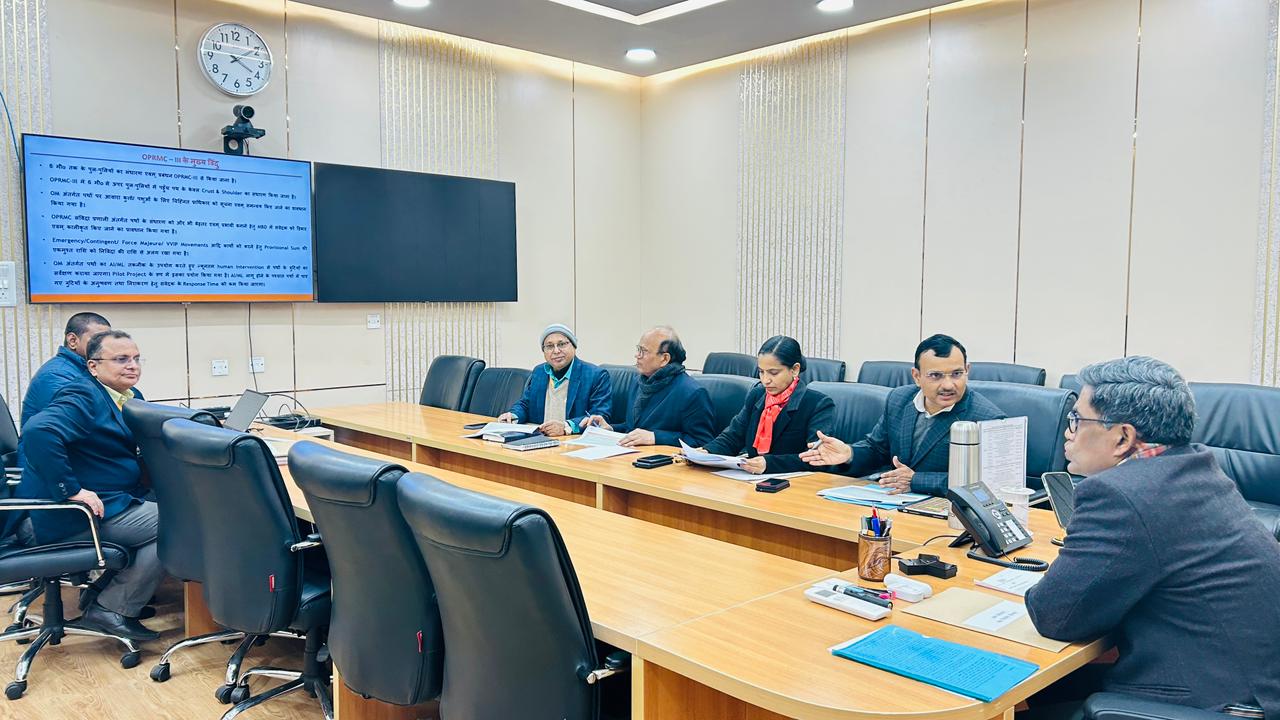
The roadmap was reviewed on Wednesday at a high-level meeting chaired by Chief Secretary Pratyaya Amrit, focusing on the implementation of the third phase of the Output and Performance Based Road Maintenance Contract, known as OPRMC-III.
Under the new phase, 19,327 kilometres of roads will be maintained across 100 packages, a significant expansion from the previous phase, which covered 13,064km in 72 packages. The average cost has been pegged at about Rs 1.22 crore per kilometre for the entire seven-year period, officials said.

The scheme follows the completion of OPRMC-II and is designed to ensure consistent road quality and smoother traffic movement through long-term maintenance contracts rather than short-term repair cycles.
A key feature of OPRMC-III is the introduction of AI and machine-learning tools to survey road defects. Officials said this would reduce dependence on manual inspections and shorten the time taken by contractors to respond to faults. Bridges and culverts up to six metres in length will fall fully under the maintenance ambit, while for larger bridges the scope will be limited to approach roads, shoulders and the road crust.
Drain construction for water management has been capped at 1% of the total road length, while a separate provisional fund has been created to deal with emergencies, natural disasters and VVIP movements, without disrupting routine maintenance work.
The government has also tightened enforcement provisions. Contractors found negligent can be debarred or blacklisted, while certain procedural lapses — such as missing documentation related to personnel or equipment — will no longer automatically disqualify bidders. Eligibility norms have been relaxed slightly, with the requirement for net profit over the past five years reduced from three years to two.
In a move reflecting everyday road safety concerns, the framework includes a specific provision for coordination with designated authorities on the issue of stray animals on highways.
The meeting was attended by Pankaj Pal, secretary of the Road Construction Department, and Rachna Patil, Secretary (expenditure) of the finance department, who reviewed the financial and administrative safeguards built into the programme.
Officials said the expanded scope and use of technology under OPRMC-III were intended to shift Bihar’s road maintenance from a reactive to a predictive model, with accountability built into every stage of execution.