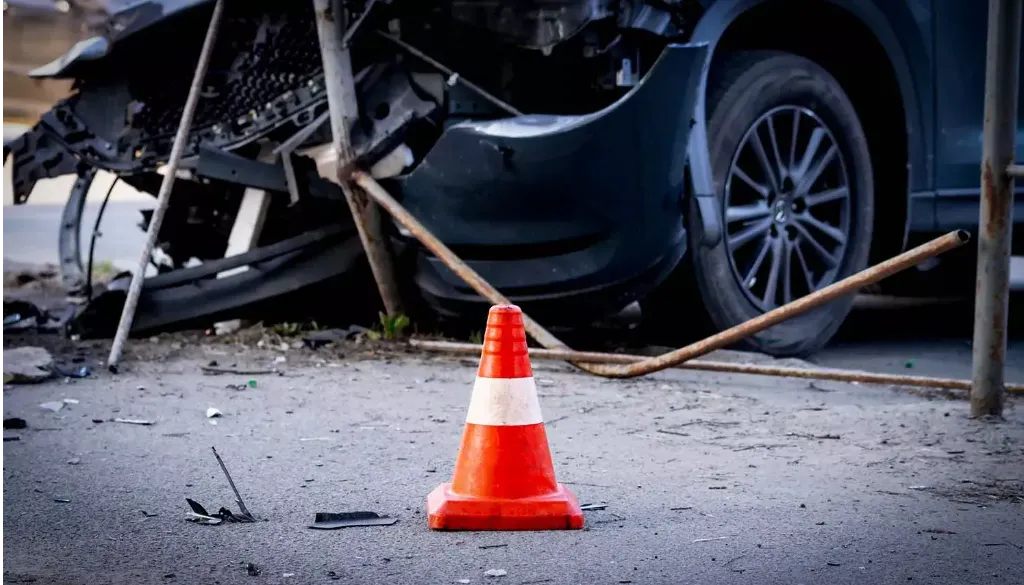
Patna: The Indian government has announced a nationwide scheme to provide cashless medical treatment of up to Rs. 1.5 lakh for people injured in road accidents, alongside a reward of Rs. 25,000 for anyone who helps transport victims to the hospital.

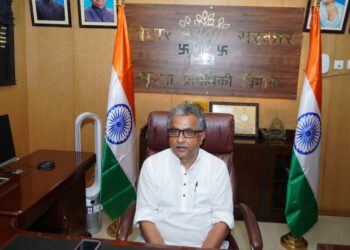
The decision, revealed by Bihar’s Transport Minister, Shravan Kumar, follows a recent meeting of transport ministers from across the country in New Delhi, where consensus was reached on extending emergency support to accident victims in both urban and rural areas.
Under the new arrangement, injured persons will be entitled to immediate medical care without having to worry about payment at the time of treatment. The costs, up to a limit of Rs. 1.5 lakh will be borne by the central government. The scheme aims to ensure timely medical intervention during the “golden hour” after an accident, the critical period in which prompt treatment can significantly improve survival chances.

“This system will make sure that no injured person is denied treatment due to lack of money,” Kumar said while speaking to reporters. “It will benefit victims of road accidents in both cities and villages.”
The move is expected to be particularly significant for rural areas, where access to hospitals is often delayed, and financial constraints frequently prevent families from seeking immediate care. By removing the burden of upfront payment, authorities hope to reduce fatalities and long-term complications caused by delayed treatment.
In a parallel initiative to strengthen public participation, the government has announced a cash reward of Rs. 25,000 for any passerby or helper who takes an injured person to the hospital. The measure is designed to encourage “good Samaritans” and counter the widespread hesitation to assist accident victims due to fear of legal harassment or prolonged police procedures.
“People often avoid helping because they are worried about legal complications,” Kumar said. “This reward will motivate citizens to step forward and save lives.”
Officials believe that the combination of cashless emergency treatment and financial incentives for helpers will not only reduce deaths caused by road accidents but also foster a stronger sense of social responsibility and compassion.
The transport department is expected to begin the process of implementing the scheme soon, to ensure that its benefits reach people quickly and effectively across the country.