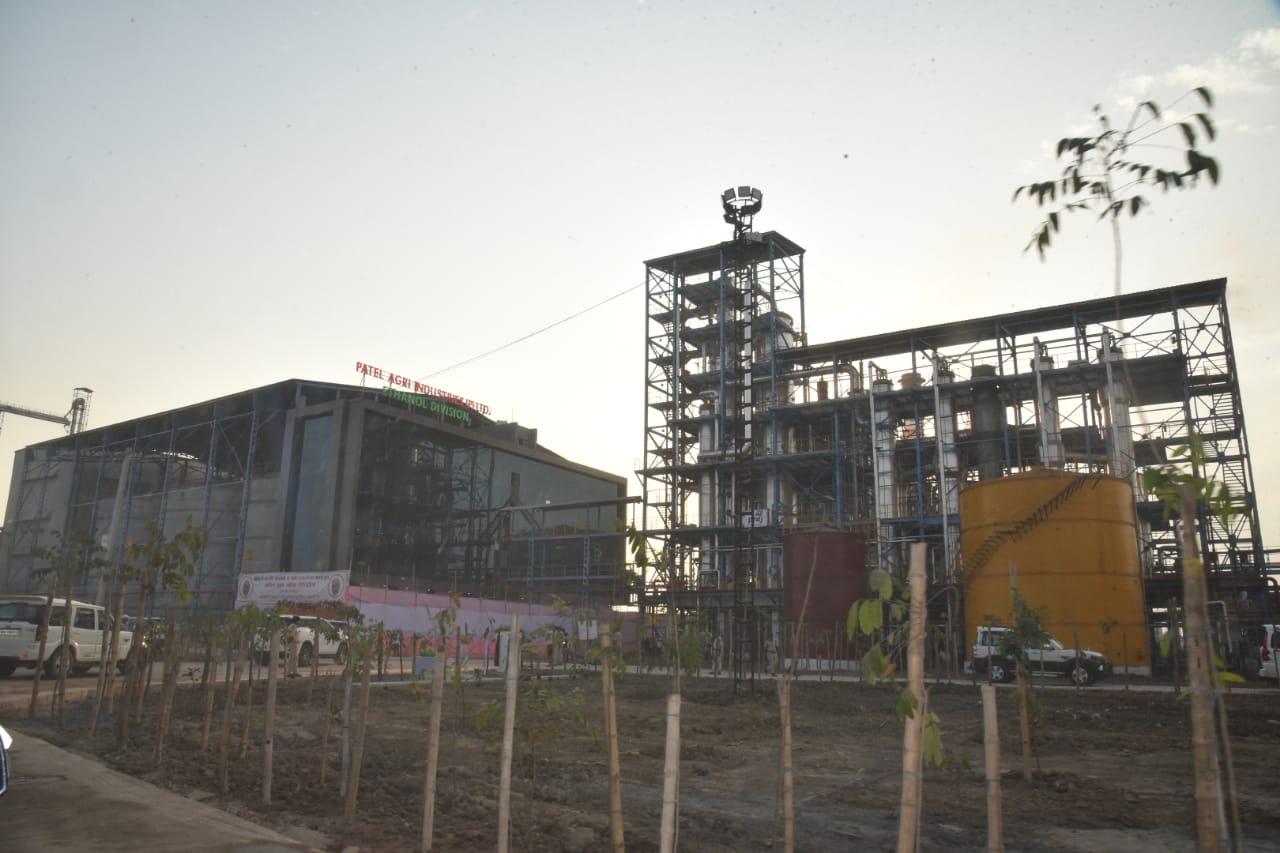
Patna: Bihar’s ambitious ethanol policy, launched by the Nitish Kumar government in 2021 to make the state a leader in ethanol production, is now facing a major crisis. Out of more than 100 proposed ethanol plants, at least 10 operational units are on the verge of shutting down within just four years of their establishment. If the situation does not improve, over 5,000 direct jobs could be lost, while more than 70,000 people may be affected directly and indirectly. The livelihoods of nearly 15 lakh maize farmers are also at risk.

Why Are Ethanol Plants in Trouble?
At present, oil marketing companies (OMCs) — Indian Oil, Bharat Petroleum and Hindustan Petroleum — are the only buyers of ethanol in India. Ethanol cannot be sold to any other buyers, and it also cannot be stored for more than 30 days. According to Kunal Kishore, Secretary of the Bihar Ethanol Association, OMCs sign long-term agreements with certain plant operators to purchase fixed quantities of ethanol. Plants without agreements are considered only if contracted plants fail to meet supply.

He said that during earlier years, OMCs were buying more than the assured quantity, which encouraged Bihar’s ethanol units to set up plants with double their contracted capacity.
Change in Oil Companies’ Policy
There are 10 major ethanol plants in Bihar with a combined production capacity of 47.64 crore litres annually. However, their assured purchase agreement with oil companies is only for 16.5 crore litres. Earlier, an additional 31.31 crore litres was being bought under “preference” purchases.
For the financial year 2025–26, oil companies have changed their policy. They will now buy only 16.5 crore litres under contracts and just 7.32 crore litres under preference. This means total purchases from Bihar’s contracted plants will be limited to 23.82 crore litres — nearly half of their production capacity.
Impact on Plant Operators
Plant operators say they cannot run facilities at half capacity. With limited offtake, they will be able to meet demand in three to four months, after which the plants will have to remain shut for nearly eight months a year. This would make it impossible to repay bank loans, pay salaries, or meet operating costs.
“Ethanol cannot be sold elsewhere or stored for long. If production continues without buyers, we will incur huge losses,” said an operator.
Employment and Revenue at Risk
Each ethanol plant employs around 250 highly skilled professionals, including chemical and technical engineers, besides hundreds of other workers. Indirectly, lakhs of people — from farmers to transporters and drivers — depend on this ecosystem. Each plant also contributes nearly ₹20 crore annually in taxes to the government.
Bihar produces nearly 25 percent of India’s maize, and most ethanol plants here use maize as raw material. The rise of ethanol plants had boosted maize prices by nearly 1.5 times, benefiting farmers significantly.
What Are the Demands?
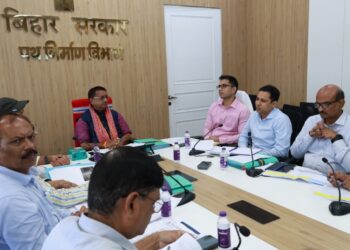
The Bihar Ethanol Association has demanded that oil companies assure the purchase of an additional 24 crore litres annually. This, they say, will allow plants to operate smoothly. The issue has been raised with the state’s Industry Department, the Chief Secretary and the Union Petroleum Ministry. While assurances have been given, no concrete solution has emerged so far.
Ethanol Policy at the National Level
India’s ethanol blending programme began in 2006 and was accelerated in 2018, when the central government decided to increase ethanol blending in petrol to 20 percent. This pushed national demand to about 1,350 crore litres per year. However, production has now reached around 1,700 crore litres, leading to surplus supply.
Ethanol is produced from two main sectors:
– Grain sector: maize, broken rice and surplus FCI rice
– Sugar sector: sugarcane, molasses and sugar syrup
Is the Bihar Government Responsible?
According to industry representatives, the Bihar government’s role is limited to facilitating land, leases and bank loans. After that, ethanol production and sales fall under the Union Petroleum Ministry and oil companies. So far, oil companies have not issued any clear official response to the allegations.
What Is the State Government Doing?
Bihar’s Industry Minister Dr Dilip Jaiswal said, “Earlier, the central government used to buy the entire ethanol output. Now purchases are not matching production levels. We are in talks with the Centre and have requested an increase in blending percentage. If blending is increased, this problem will be resolved.”
Farmers Fear Drop in Maize Prices
Bihar is one of India’s top maize-producing states. In 2024–25, maize was cultivated on 9.55 lakh hectares, with production of 66.03 lakh metric tonnes. Ethanol plants have played a major role in increasing maize demand and prices, from ₹12–15 per kg earlier to over ₹20 per kg.
If ethanol plants shut down, farmers fear prices will crash. Vaishali farmer Pramod Singh said, “Maize is our main source of income after potato. It gives good yield at low cost. If ethanol plants close, maize prices will fall and our earnings will suffer badly.”
With jobs, state revenue and farmers’ livelihoods on the line, the ethanol crisis has emerged as a major economic and political issue for Bihar, demanding urgent intervention from both the state and central governments.