Patna: A women-only bus service introduced to improve safety and dignity in public transport is rapidly reshaping daily travel patterns in Bihar’s capital, with more than 21,000 women using the Pink Bus service in just eight months.

Launched in May 2025 by the Bihar State Road Transport Corporation (BSRTC), the service was designed to offer a secure and convenient alternative to auto-rickshaws and overcrowded buses. Official data shows that the initiative has found strong acceptance among women commuters, particularly on busy city routes such as Gandhi Maidan to Nehru Path.
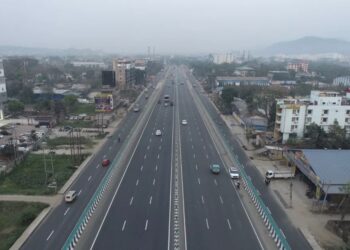
On Nehru Path, one of Patna’s busiest corridors, women can now be seen waiting specifically for Pink Buses at locations including JD Women’s College, Sheikhpura Mor, the High Court and Patna Zoo. With buses operating at intervals of roughly 10 minutes, passengers report shorter waiting times and a greater sense of comfort compared with other modes of transport.

The Pink Bus service began with 20 buses in its first phase, eight of which were deployed in Patna while the remainder served district headquarters. Following an expansion in November, the fleet in the capital has grown to 35 buses, with an additional five introduced across other districts. Officials say this expansion has contributed to a steady rise in ridership.
The service has also extended beyond Patna’s urban limits. Women from subdivisions such as Daniyawan, Dulhinbazar, Fatuha, Maner and Punpun are now commuting to the city on Pink Buses. A dedicated Patna–Hajipur route has further eased travel for working women and students who previously relied on less secure transport options.
To maintain order and comfort on board, the transport department has set clear guidelines: women may travel with children up to the age of five, but older children are not permitted. Authorities say the rule is intended to ensure discipline and convenience for all passengers.
In a further step towards women’s empowerment, BSRTC is training female drivers to operate the Pink Buses. Ten women are currently undergoing training, and five to six are already fully qualified. They are expected to drive Pink Buses during the corporation’s tableau at Gandhi Maidan on Republic Day, marking the first time the service will be operated by women drivers.
Officials say the growing popularity of the Pink Bus reflects more than just improved transport access. For many women, it has boosted confidence and independence, offering a public travel option where safety is prioritised. The rising passenger numbers, they argue, underline a broader shift in how women engage with public transport in the city.