Patna: The Bihar transport department has announced a major step to control road accidents and improve traffic discipline in the state. State Transport Commissioner Arif Ahsan held a review meeting through video conference with transport officials from all districts. During the meeting, he said that strict action will be taken against drivers who repeatedly break traffic rules. Around 52,000 cases have already been identified where driving licences may be suspended or cancelled, based on reports sent by the police and traffic departments.

To make the process transparent, the vehicle numbers of repeat offenders will first be published in newspapers as a public notice. After this, official notices will be sent and drivers will be given a chance to explain their side in a proper hearing. Only after this process will the final decision be taken. According to officials, the highest number of such cases have come from Patna, Bhagalpur and Muzaffarpur, showing that traffic violations are a serious concern in these areas.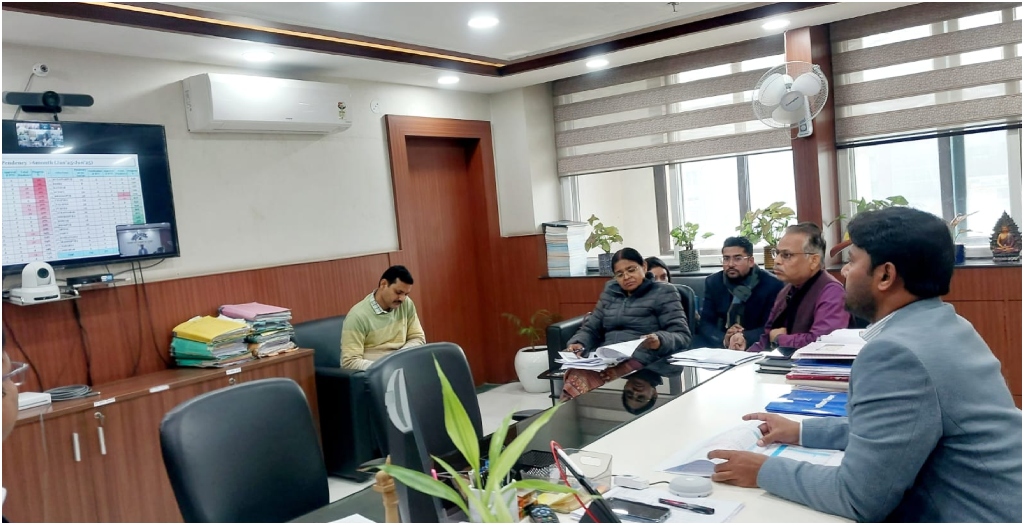
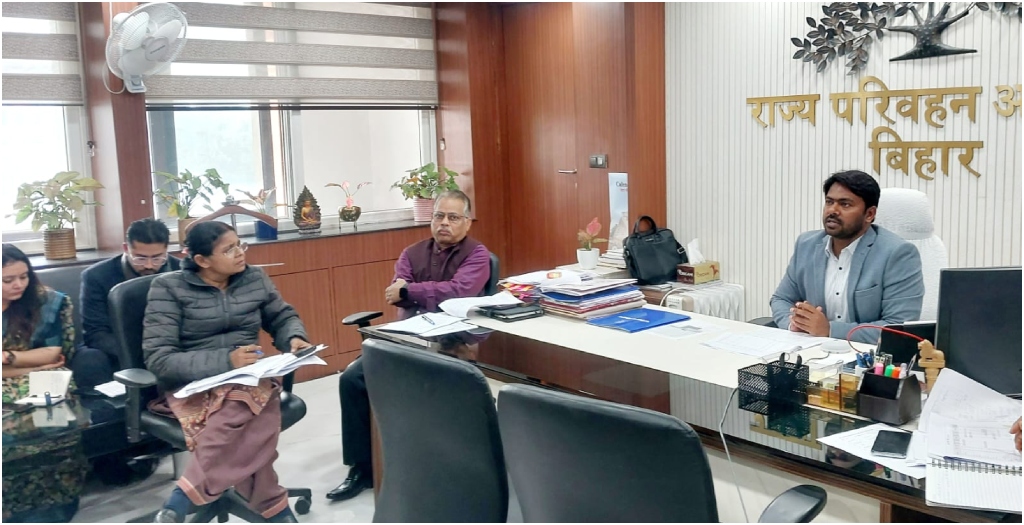
The meeting was attended by District Transport Officers, Additional District Transport Officers, Motor Vehicle Inspectors, Enforcement Sub-Inspectors and RTA secretaries. Several important issues were discussed, including the cashless treatment scheme for road accident victims, the delay in issuing driving licences and registration certificates, the setup of PM e-drive charging stations, pending permits, and the need for strict helmet and seatbelt checks. Mr. Ahsan told all officers to strictly follow the Motor Vehicles Act and ensure that traffic rules are enforced without compromise.

He also stressed that transport services must be provided to people on time and without interruption. Under the government’s “Respect for All: Ease of Living” initiative, he ordered that all pending licence and registration cases be cleared quickly. He said there should be no backlog in printing and dispatch of documents, and every application must be processed fast. The transport department believes that these steps will not only reduce accidents but also make the system more efficient and trustworthy for the public.