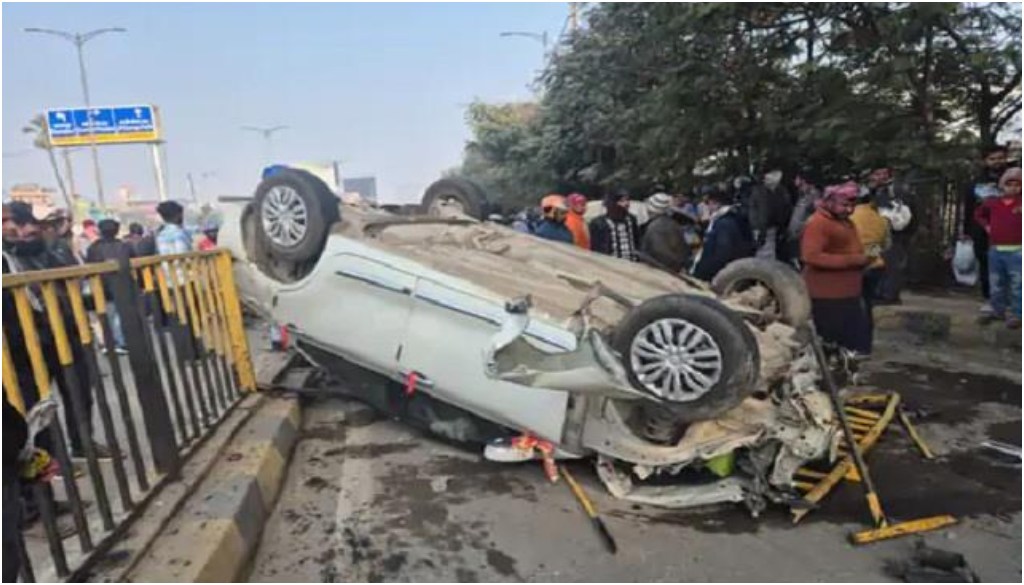
Patna: Bihar is facing a mounting road safety crisis, with more than 50,000 people killed in accidents across the state over the past seven years and thousands more injured, according to recent data. Authorities have identified 1,044 “black spots” — stretches of road where accidents occur frequently — prompting concern among politicians, experts, and the public.

Road accidents have become a near-daily occurrence across the state, from small towns to major highways, and even on the capital’s wide, modern roads. The government has admitted that crashes are happening on nearly all major routes, and said it is taking corrective action. Efforts include repairing hazardous turns, reinforcing dividers, improving lighting, and installing warning signs. Officials have also pledged to expand pedestrian safety measures such as zebra crossings.
Despite these measures, debate is intensifying over the safety of Patna’s Atal Path, a high-profile road often cited as one of the most modern in the country. Questions have been raised about whether its infrastructure — foot overbridges, service roads, and clear signage — is sufficient to prevent accidents. Government officials insist the main issue is public negligence, with many ignoring safety instructions. Experts argue that infrastructure alone cannot stop fatalities; strict enforcement of traffic rules and widespread public awareness are crucial.

The issue was spotlighted in the Bihar Legislative Council, when Independent Councilor Maheshwar Singh questioned the government about rising accidents in East Champaran, particularly in Motihari, which recorded 393 deaths in 2025. Citing National Crime Records Bureau figures, Singh noted that nearly half of the deaths statewide involved young people aged 18 to 35.
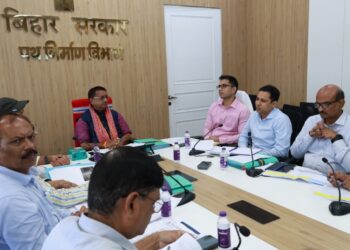
In response, Road Construction Minister Dilip Jaiswal acknowledged the scale of the problem, reaffirming that departmental action is underway at all identified black spots and that awareness campaigns will be launched alongside new safety measures. The discussion escalated when Congress member Sameer Kumar Singh raised concerns about Atal Path, describing it as a potential “death trap” where accidents and injuries occur daily.
Jaiswal said foot overbridges and signage are in place, but CCTV footage shows only 5–10 people use the crossings. The debate highlights a persistent challenge in Bihar: whether road safety can move beyond political rhetoric to become a sustained public safety priority.