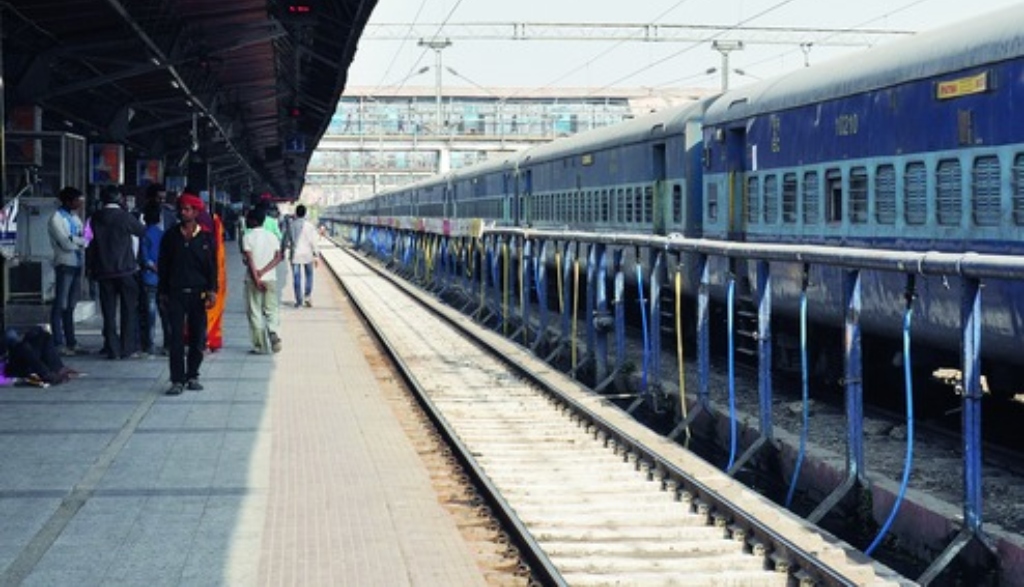
Patna: The Indian Railways has directed a nationwide programme of biannual audits to assess passenger amenities at major railway stations, signalling a shift in focus from train operations alone to the quality of services available on platforms. The Railway Board said the measure is intended to strengthen accountability and ensure consistent standards across the network.

Under the new directive, Category-1 and Category-2 stations will undergo detailed inspections twice a year. Audits will examine essential facilities including toilets, drinking water, seating arrangements, fans, lighting, CCTV surveillance and the condition of platform stalls. The schedule will follow two phases January to June and July to December with the East Central Railway set to conduct inspections during May-June and November–December.
In a communication to general managers of all railway zones, executive director (safety) B. M. Tripathi highlighted that several zones had not consistently completed the required twice-yearly inspections. The revised guidelines now mandate submission of compliance reports detailing action taken on previous audit findings and unresolved issues before new inspections begin.

Coordination of the audit exercise has been assigned to Kolkata Metro, with the Principal Chief Security Officer acting as convenor. Inspection teams will include senior officials from operations, mechanical, civil, electrical and signal departments to ensure a comprehensive assessment of both infrastructure and service delivery.
Officials will also gather direct passenger feedback during the inspections, incorporating responses into final reports. Alongside amenity checks, the audit will review train punctuality, categories of trains passing through stations and overall service adequacy, with findings submitted to respective zones and the Railway Board.
Railway authorities said the initiative is expected to improve passenger comfort, enhance safety standards and create greater institutional accountability, as the rail network seeks to modernise infrastructure while responding to rising passenger expectations.