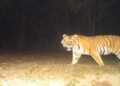
Patna: Authorities at Sanjay Gandhi Biological Park in Patna have introduced a range of measures to protect animals from rising temperatures, including installing cooling systems and revising feeding routines amid ongoing heatwave conditions.

Cooling Systems Installed Across Enclosures
Zoo officials said air coolers and fans have been installed in several enclosures, particularly for heat-sensitive species. In carnivore enclosures, including those housing lions, tigers, leopards and bears, 17 air coolers and 53 fans have been set up in night shelters.

Water is being regularly sprayed on animals and enclosure floors to maintain lower temperatures, while mist foggers and sprinklers have been installed in bird cages and deer enclosures.
Special arrangements have also been made for larger animals, with continuous water supply ensured through sprinklers and moats in elephant and rhinoceros enclosures.
Focus On Reptiles And Birds
For reptiles such as snakes and pythons, water is being sprayed across enclosure floors to maintain humidity and temperature. Fountains have been installed in enclosures of emus, ostriches and bears to provide additional cooling.
Officials said all borewells in the park have been repaired to ensure uninterrupted water supply for both animals and visitors.
Diet Modified To Prevent Heat Stress
The zoo administration has also adjusted animal diets in response to the heat. Food intake for carnivores has been reduced to prevent digestive stress, while electrolyte supplements such as Glucon-D and oral rehydration solutions are being added to drinking water.
Chimpanzees are being provided with hydrating foods including fruits, coconut water and curd-rice, while bears are being fed banana stems. Diets of crocodiles and gharials have also been modified to maintain energy levels.
Veterinary teams are administering glucose and preventive medicines to minimise the risk of heatstroke among animals.
Measures For Visitors And Staff
Arrangements have also been made for visitors, with 14 water coolers, including RO units, installed across the park. In addition, earthen pots with drinking water have been placed at 30 locations.
Zoo staff are monitoring animals round the clock, and have been equipped with uniforms and trained to respond to emergencies, including fire hazards.
Officials said the measures will remain in place as long as extreme weather conditions persist.