Patna: Officials from India and Nepal have agreed a joint action plan to survey and maintain thousands of boundary pillars along their shared frontier in Bihar, amid heightened administrative activity ahead of the formation of a new state government.

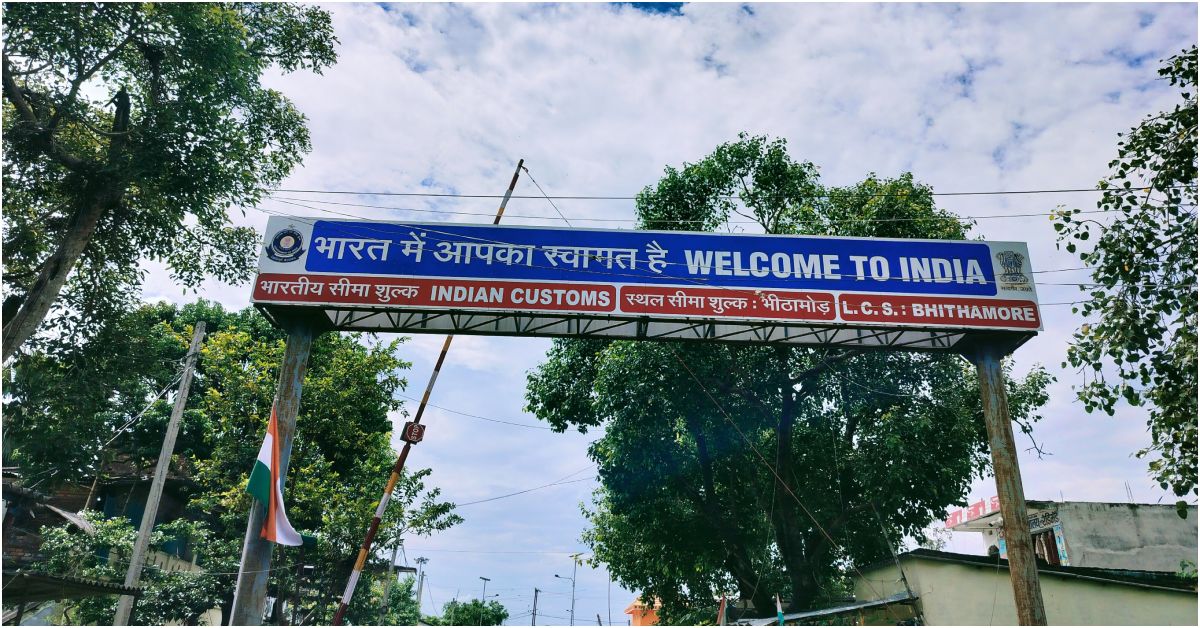
A high-level meeting held in Motihari brought together survey and security officials from both countries to discuss border management, with a particular focus on the upkeep of 5,312 boundary pillars that mark the international border.
The meeting, described as the inaugural session of a Field Survey Team, was organised under the aegis of the Survey of India and included representatives from India’s border forces and forest department, as well as administrative officials from neighbouring districts in Nepal. Officials said the discussions covered technical, administrative and coordination-related issues.

Special attention was given to seven border districts in Bihar—Kishanganj, Araria, Supaul, Madhubani, Sitamarhi, East Champaran and West Champaran—where authorities said long-standing issues relating to damaged, missing and unverified border pillars have persisted.
Under the new plan, both sides agreed to accelerate coordinated efforts to repair, replace and regularly monitor boundary markers, which officials described as essential for maintaining clarity along the international border. The condition and identification of pillars have been longstanding concerns for survey agencies on both sides.
The meeting was attended by officials including the district magistrate of East Champaran, representatives of the Sashastra Seema Bal (SSB), the Survey of India, and the forest department, alongside administrative and survey officials from Nepal’s bordering districts. Officials said the joint presence signalled an attempt to strengthen operational coordination.
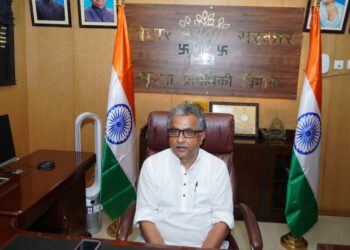
Vijay Kumar Sinha, Bihar’s deputy chief minister and minister for the revenue and land reforms department, said the initiative marked the first dedicated meeting focused specifically on border pillar survey and maintenance along the India–Nepal frontier. He said it would improve coordination between the two countries and strengthen border management systems.