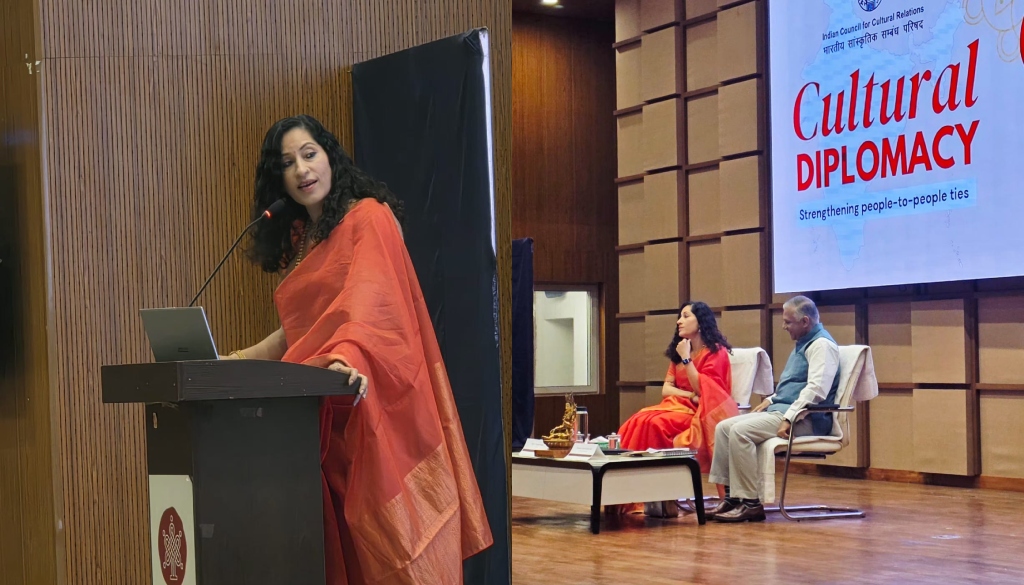
Rajgir/Patna: K. Nandini Singla, director general of the Indian Council for Cultural Relations (ICCR), delivered a lecture on cultural diplomacy at Nalanda University in Rajgir on April 20, underlining India’s expanding global influence through soft power.

She was accompanied by Rajesh Ranjan, deputy director general, and Swadha Rizvi, head of ICCR’s Patna regional office.
India’s Soft Power And Global Role

In her address, Singla highlighted the increasing importance of cultural diplomacy in shaping India’s international engagement, describing it as a key pillar of the country’s global strategy.
Drawing on the concept of “soft power” articulated by political scientist Joseph Nye, she said India has historically influenced the world through ideas, values and knowledge systems rather than coercion.
She cited principles such as Vasudhaiva Kutumbakam and peaceful coexistence, alongside India’s cultural diversity in language, arts and traditions, as central to its global appeal.
Contemporary Initiatives And Cultural Reach
Singla also referred to India’s recent global initiatives, including development partnerships, scholarships, humanitarian assistance and programmes such as vaccine outreach, as examples of its cultural and diplomatic engagement.
She noted the growing global interest in yoga, meditation and mindfulness, rooted in Indian traditions.
Role Of ICCR And Nalanda
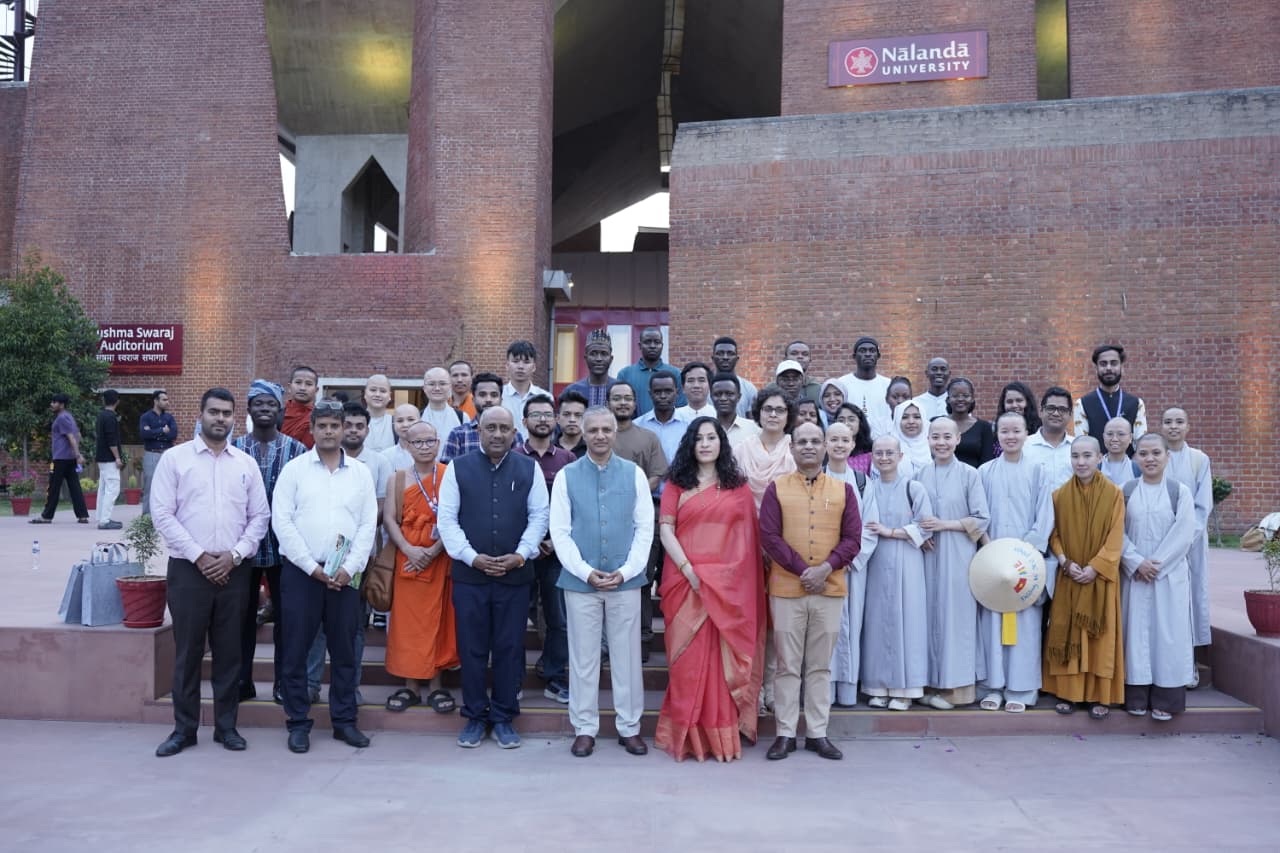
Describing the ICCR as a key institution for fostering cultural exchange, Singla said Nalanda University represents a “living example” of cultural diplomacy, with its diverse international student community.
She later interacted with ICCR scholars at the university, encouraging them to engage with programmes such as Yuva Mitra and Kalaa Saadhak.
Academic And Community Engagement
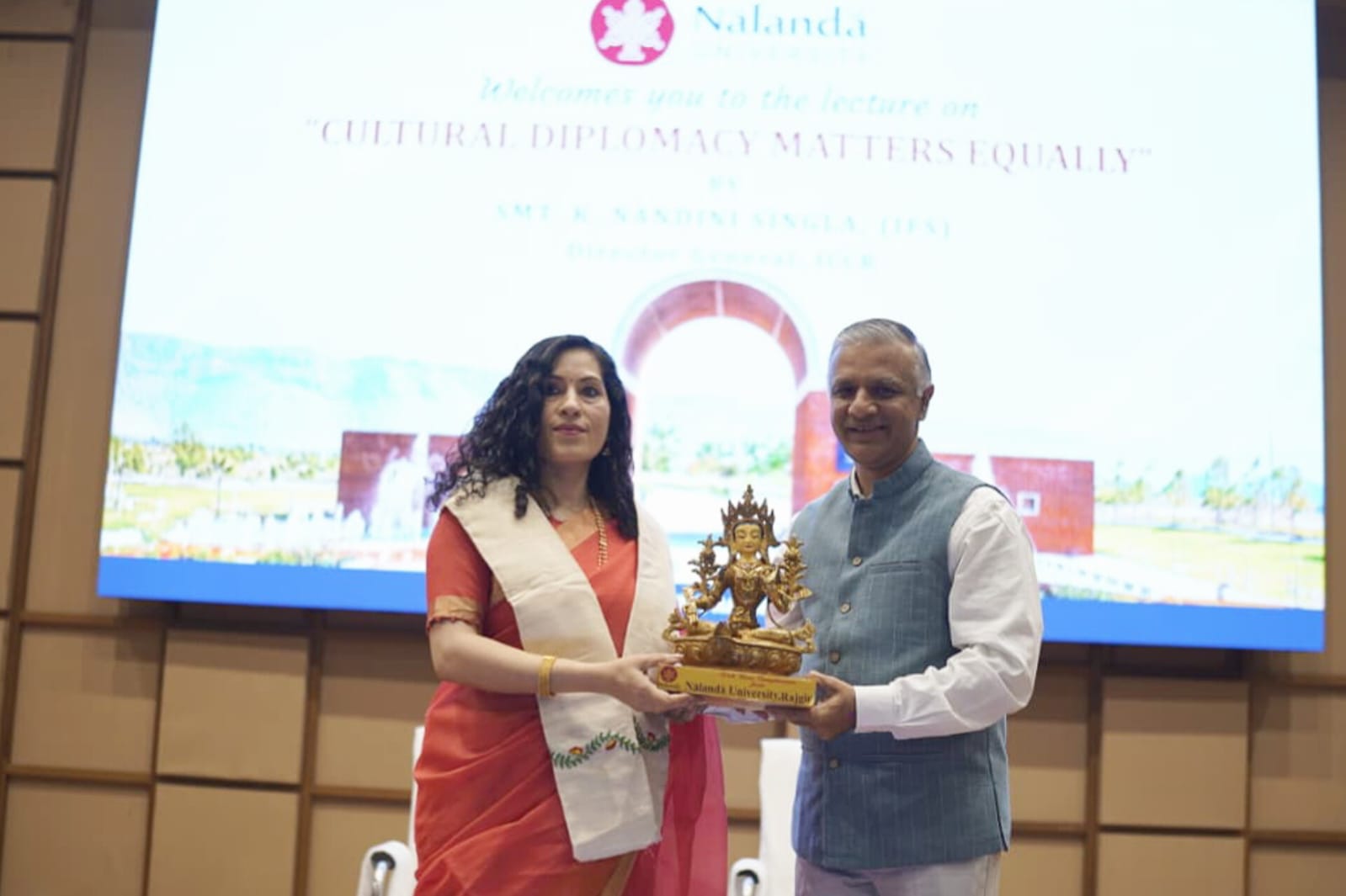
Welcoming the delegation, vice-chancellor Sachin Chaturvedi highlighted the role of ICCR fellowships in strengthening academic exchange and supporting international students.
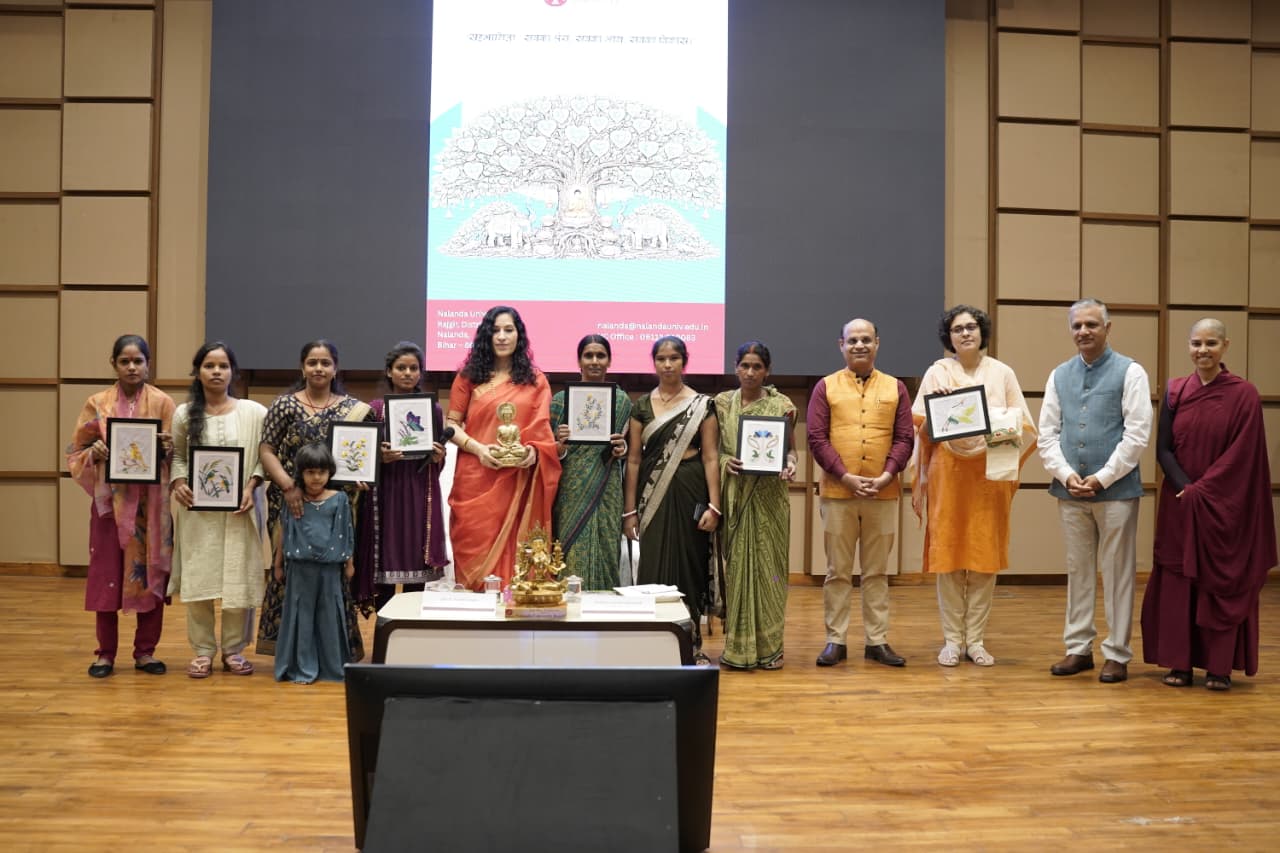
Singla also met faculty members and community partners associated with the university’s outreach programmes, including farmers and women from nearby villages, and discussed opportunities for further collaboration.
The visit concluded with a campus tour and a cultural programme by students, reflecting the university’s multicultural environment.