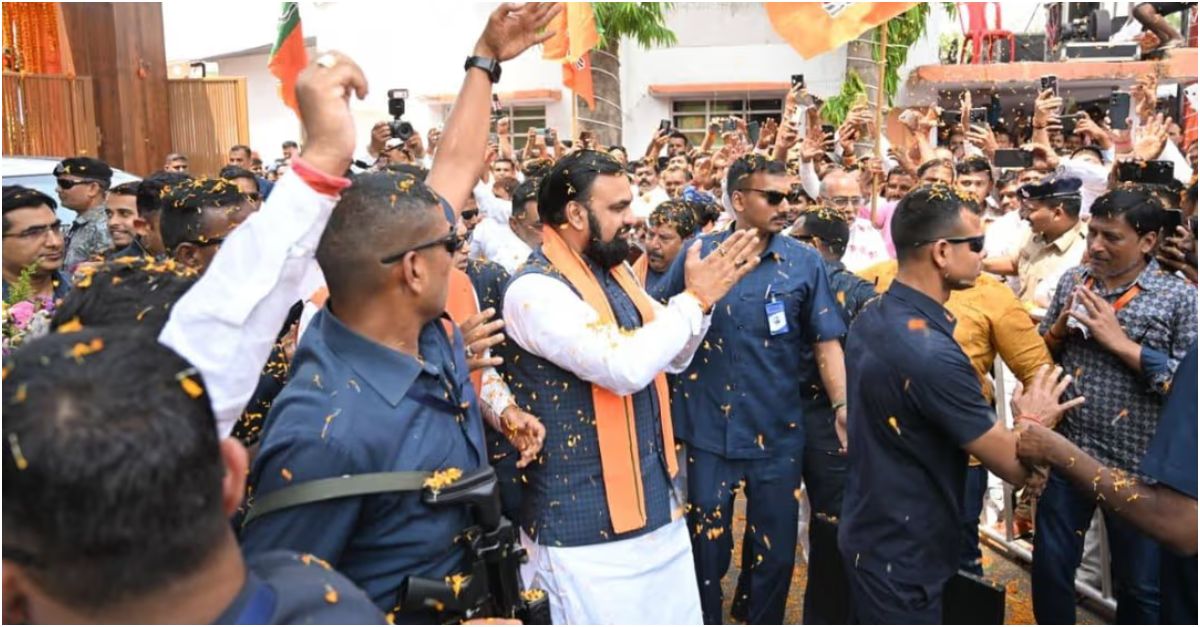
Patna: Bihar’s newly sworn-in chief minister, Samrat Choudhary, began his tenure with a tightly packed schedule of political outreach, administrative meetings and symbolic gestures, underlining a governing style that appears both proactive and closely aligned with party and ideological networks.

Choudhary’s first day in office combined high-level political coordination with public engagement. He received J. P. Nadda, the Union health minister and senior BJP leader, at the airport, before visiting Chirag Paswan at his residence. The back-to-back meetings were widely seen as an effort to reinforce alliances and signal cohesion within the ruling bloc.
Soon after taking the oath of office, Choudhary visited the Panchmukhi Hanuman Temple, where he offered prayers. The visit, while reflecting personal faith, also carried political overtones in a state where religious symbolism often intersects with public life.

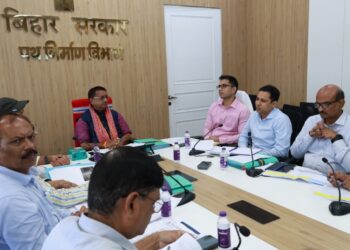
He then moved swiftly to the state secretariat, convening his first review meeting with senior officials. According to officials present, the chief minister stressed the need for faster decision-making and administrative efficiency, indicating that governance would be a central focus from the outset.
Later in the day, Choudhary met party leaders and workers at the BJP’s state headquarters, where discussions centred on organisational strengthening and upcoming political strategies. The emphasis on party structure suggested an intent to keep the government and organisation closely aligned.
At his official residence, the chief minister held an open meeting with supporters and members of the public, listening to grievances and requests. The outreach was framed as an attempt to maintain direct communication with citizens alongside formal administrative channels.
Choudhary also held talks with his predecessor, Nitish Kumar, before visiting the office of the Rashtriya Swayamsevak Sangh in Rajendra Nagar, where he met senior functionaries.
The sequence of engagements on his first day pointed to a governing approach that seeks to balance administrative priorities, party organisation and ideological alignment. For Choudhary, the message was clear: his leadership will aim to integrate governance with political coordination while maintaining a visible connection with the public.