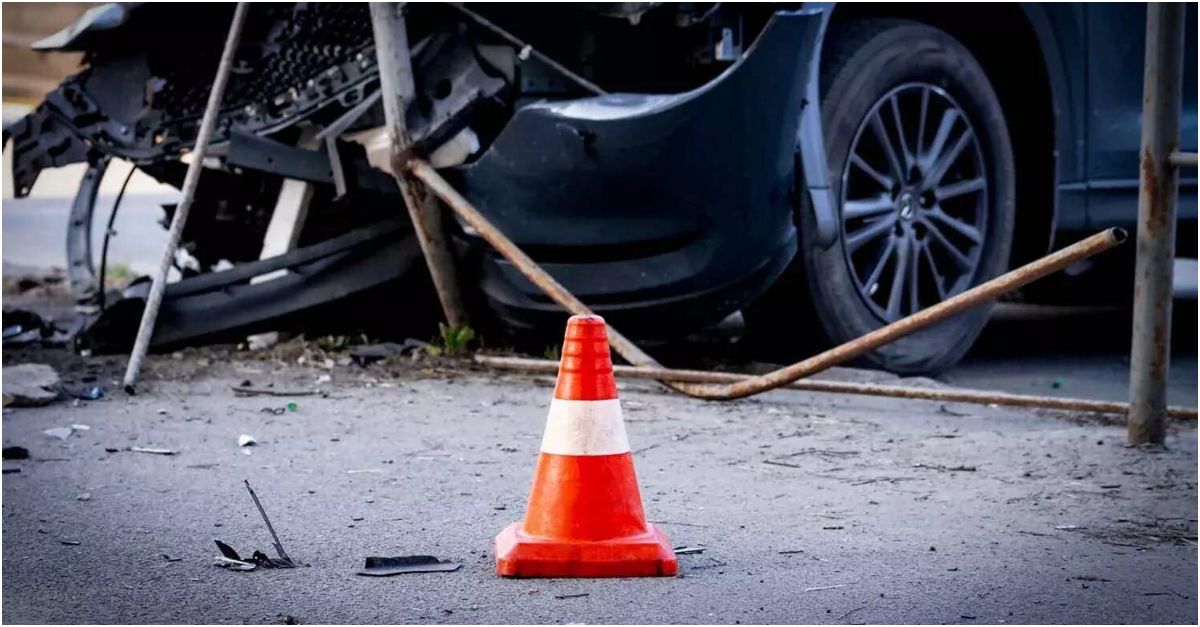
Patna: Police in Bihar have been directed to ensure that vehicles involved in road accidents are returned to their owners within 24 hours, in an effort to curb delays and improve administrative efficiency.

The directive, issued by the state police headquarters, comes after repeated instances of vehicles being held at police stations for extended periods following accidents. A monitoring system will be set up in all districts under the supervision of Traffic Deputy Superintendents of Police (DSPs), while compliance will be overseen at headquarters level.
According to a letter issued by Sudhanshu Kumar, Additional Director General (Traffic), the order seeks to address “unnecessary delays” in the release of accident vehicles at the police station level.

Under the new instructions, police must inform the vehicle owner or driver about where the vehicle has been taken after an accident. Once inspection is completed and the required details are entered on the relevant portal, the vehicle must be released within 24 hours.
Before release, officers will be required to prepare a panchnama in the presence of two witnesses. Photographs of the vehicle from all angles must be taken, and signatures of both the complainant and the accused must be obtained on the documentation.
The directive also reiterates a Supreme Court order requiring police to submit an interim accident report within 50 days.
However, officials clarified that the 24-hour rule will not apply in cases involving serious offences under the Bharatiya Nyaya Sanhita or allied laws, including arms, narcotics, explosives, illicit liquor, extortion, dacoity, robbery, rape and murder. It will also not apply in civil disputes over property. In such cases, release of the vehicle will require court approval.
As part of the implementation process, the police headquarters has introduced a WhatsApp-based reporting system (9031829356), through which vehicle owners can submit details in a prescribed format. Authorities said monitoring of the process will be carried out centrally, as part of a broader “ease of living” initiative.