Patna: A major road infrastructure project in Bihar is set to move forward, offering relief to commuters travelling between Patna and Sasaram. The proposed Patna–Bhojpur–Sasaram four-lane highway, long awaited in the region, is expected to significantly ease what is currently a lengthy and tiring journey.

The state has finalised an agreement with Oman-based construction firm for the project. The company is now in the process of securing financing from banks, a step expected to take around four months. If timelines hold, construction could begin as early as September.
The highway will stretch approximately 120 km, connecting Patna to Sasaram via Bhojpur (Ara). At present, the journey takes around four hours, but officials estimate that travel time will be reduced to about two hours once the road is completed, cutting fuel costs as well as commute fatigue.

The project will be executed in two phases. The first phase covers a 46-km stretch from Patna to Arrah, while the second phase will extend 74-km from Arrah to Sasaram. The improved connectivity is expected to benefit not only these cities but also surrounding areas.
Although the project was approved about six months ago, delays in obtaining international clearances stalled progress. Officials had initially targeted completion by 2028, but the revised deadline now extends to 2029.
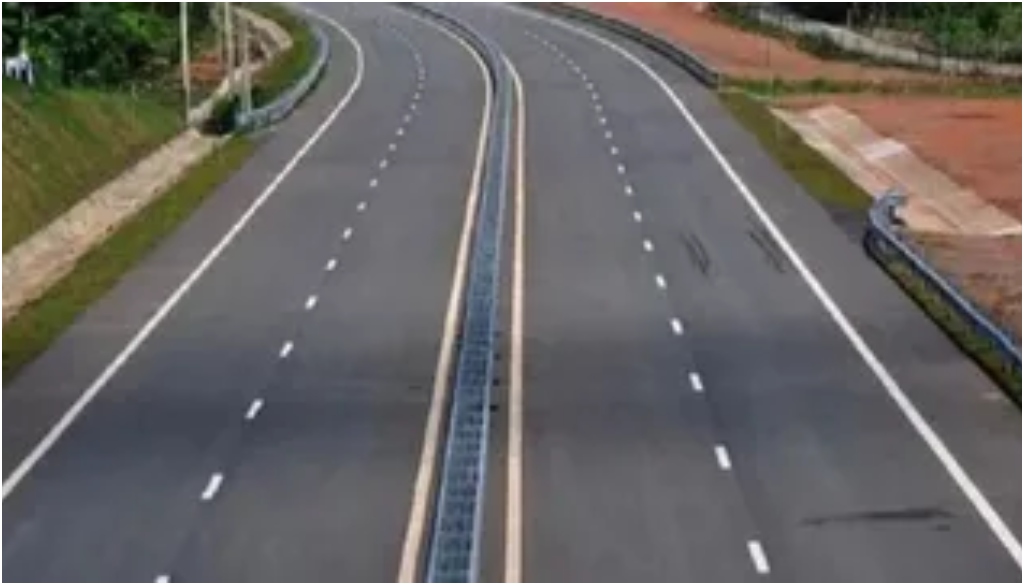
Designed as an access-controlled highway, the road will limit entry and exit points to designated locations. This is expected to reduce congestion and lower the risk of accidents compared with conventional highways.
The project is likely to benefit residents across Patna, Bhojpur, Arwal, Rohtas and Sasaram districts, as well as smaller towns such as Piro, Naubatpur, Sahar, Hasan Bazar, Sanjhauli and Nokha. It will also improve connectivity towards Varanasi, making inter-state travel faster.
Once completed, the highway will integrate with several national and the state highways, enhancing freight movement and regional trade. Officials say the project could stimulate economic activity, generate employment and improve overall connectivity in the region.