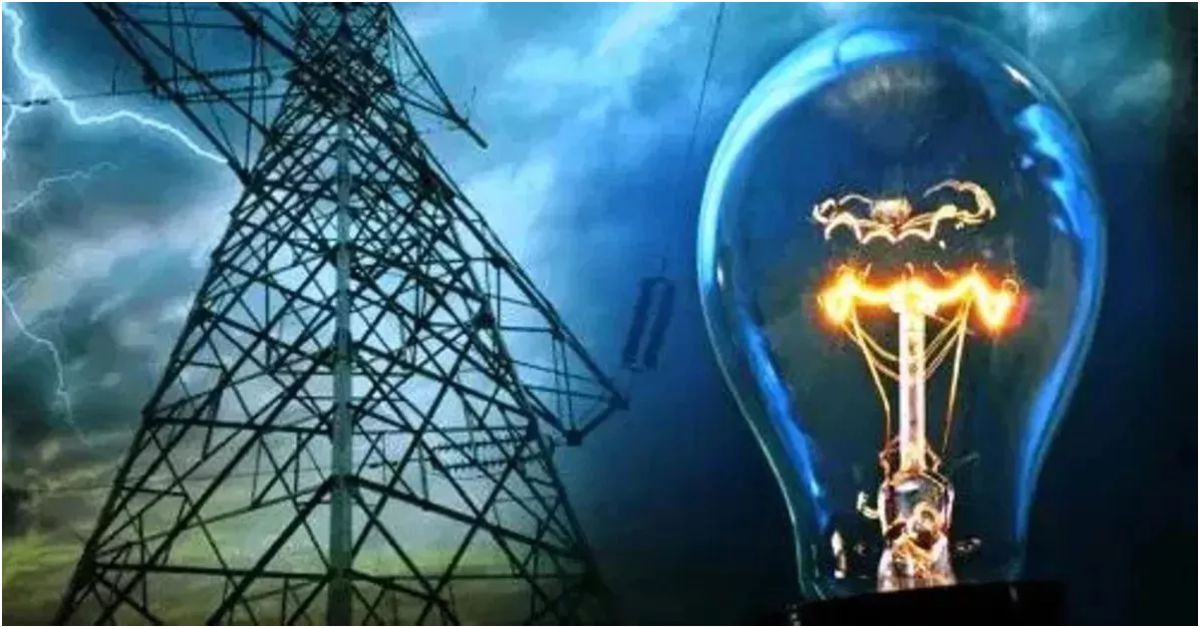
Patna: Bihar’s electricity consumption touched an all-time high of 8,818 megawatts on Wednesday, driven by an intense heatwave and rising humidity across the state, according to power utility data.

Officials said the demand has been rising steadily through the week, with consumption recorded at 8,200 MW on Monday and again crossing the 8,000 MW mark on Tuesday. The latest figure surpasses last year’s peak of 8,560 MW recorded on July 12.
Rising Demand Pattern

The state power utility had anticipated a new peak during July, but the record has already been broken earlier this month. Officials estimate that summer demand in 2026–27 could reach between 9,500 MW and 9,600 MW, with peak consumption expected between July and September.
Electricity availability in the state currently stands at 10,440 MW, largely supplied through NTPC generation units located within Bihar, officials said.
Heat and Appliance Use Driving Consumption
Power officials attributed the surge to sustained high temperatures and humidity, which have significantly increased the use of air conditioners, refrigerators, and coolers. They noted that the adoption of such appliances has expanded beyond urban centres into rural areas, contributing to higher baseline demand.
Over the past two decades, per capita electricity consumption in Bihar has risen sharply. Utility data shows a fivefold increase from earlier levels, with steady growth observed since 2005.
Sharp Rise in Consumer Base
The number of electricity consumers has increased significantly, rising from 1.7 million in 2005 to 21.4 million in 2025, marking a nearly 12.5-fold growth, according to official figures.
Officials also reported steady incremental growth in earlier years, including 3.8 million consumers in 2012 and 4.3 million in 2014.
Patna’s Share in Peak Demand
In the capital, the Patna Electricity Supply Unit (PESU) continues to account for a significant share of total consumption, contributing around 10 percent of Bihar’s overall electricity load.
PESU data shows a sharp rise in demand over recent weeks, increasing from 492 MW on May 6 to over 808 MW by May 19, with intermittent fluctuations amid rising temperatures.
Last year’s peak for the region stood at 883 MW, and officials said current trends suggest the possibility of a new record in the coming days.
Evening Peak Load and Monitoring
Officials said the highest load is being recorded between 8 pm and midnight, when domestic consumption peaks due to cooling requirements. PESU has initiated enhanced monitoring of the supply network to maintain uninterrupted power distribution during peak hours.
With no immediate relief from heat conditions forecast, power officials cautioned that demand may continue to rise. Maintaining supply stability, they said, will remain a key operational challenge in the coming weeks.