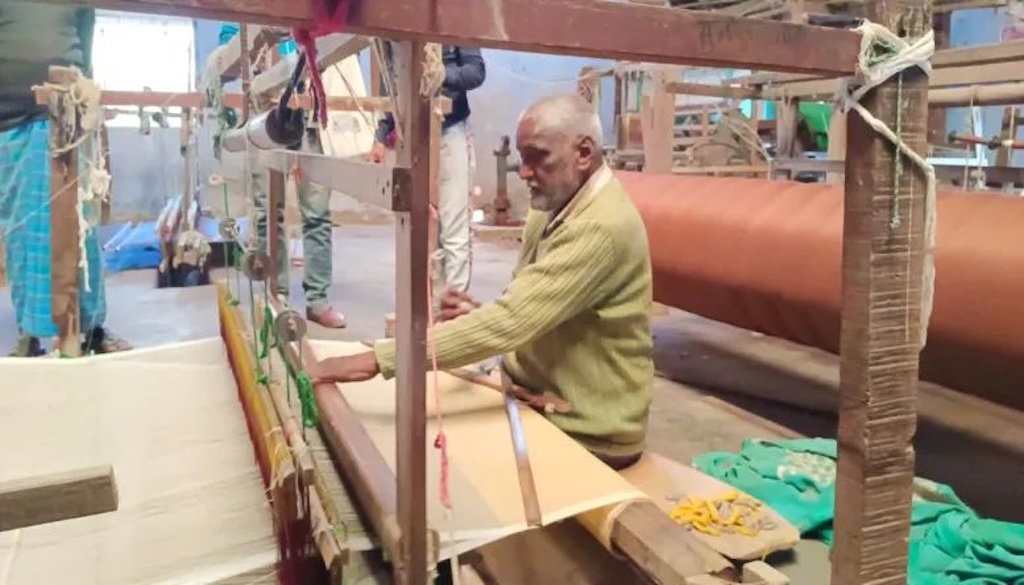
Nalanda/Patna: The handwoven ‘Bawan Buti’ saree from Nalanda district, once regarded as an essential part of wedding shopping in the state, is gradually returning to public attention as efforts intensify to revive the traditional weaving craft.

Known for its intricate handmade motifs and cultural significance, the saree had long been associated with bridal wear and traditional ceremonies across Bihar.
Traditional craft with national recognition
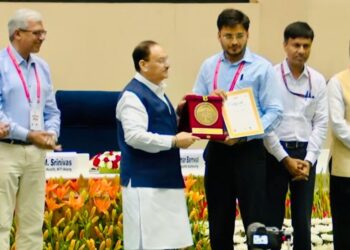
The revival of the craft is closely linked to the contribution of the late Kapil Dev Prasad Singh, a Padma award-recipient and master artisan from Baswan Bigha village in Nalanda district.

Singh dedicated much of his life to preserving and promoting the weaving tradition. Artisans and local residents credit him with training thousands of weavers and helping the Bawan Buti saree gain recognition in national and international markets.
The saree derives its name from the 52 distinct handwoven motifs, or “bootis”, traditionally incorporated into its design using cotton and silk threads.
Once central to Bihar weddings
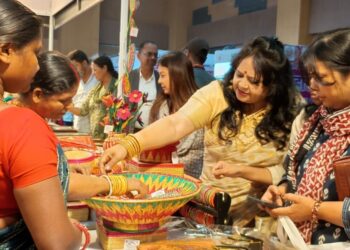
Artisans say the saree once enjoyed widespread popularity among brides in Bihar, with demand extending from villages to urban markets.
Products made in the region, including sarees, bedsheets and tablecloths, were also exported to countries such as Germany and Australia.
However, the rise of fast-changing fashion trends and machine-made textiles gradually reduced demand for the labour-intensive craft, leading many traditional weavers to leave the profession.
Efforts underway to revive weaving tradition
Government agencies and the handicrafts department are now working to support local artisans and revive interest in the traditional weave.
Weavers in Nalanda say improved market access, financial support and sustained promotion could help restore the saree’s earlier prominence.
Artisans describe the ‘52 Booti’ saree not only as a textile product but also as an important part of Bihar’s cultural heritage and handloom tradition.