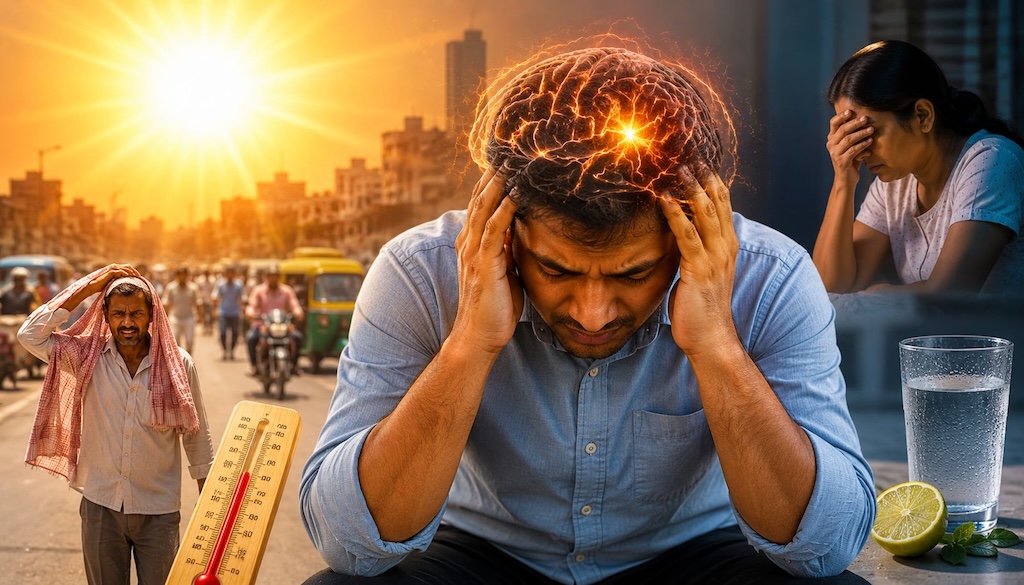
Patna: The impact of rising temperatures across North India — including Bihar — is no longer confined to physical discomfort alone. Doctors and mental health professionals say prolonged heatwaves and extreme summer conditions are now significantly affecting people’s mental well-being as well.

Amid soaring temperatures, intense sunlight and persistent humidity, many residents are reporting symptoms such as fatigue, irritability, restlessness and sleep deprivation.
Experts say the effects are becoming increasingly visible in workplaces and daily life, with people experiencing:

- Difficulty concentrating
- Sudden anger or frustration
- Low energy levels
- Emotional exhaustion
- Disturbed sleep patterns
Heat Forces the Body and Brain Under Stress
According to health experts, the human body is forced to expend additional energy during extreme heat in order to regulate its internal temperature.
This continuous physiological strain often leads to:
- Rapid fatigue
- Mental exhaustion
- Reduced alertness
- Poor concentration
Doctors say dehydration further worsens the situation by affecting blood circulation and oxygen flow to the brain, potentially impairing memory, decision-making and focus.
Mental Health Cases Rise During Summer
Mental health specialists say summer months are often associated with a noticeable increase in emotional and psychological distress.
According to experts:
- Cases linked to mental health issues tend to rise by around 8% during summer
- Sleep disruption, dehydration and altered daily routines are among the main triggers
They warn that electrolyte imbalance caused by excessive sweating can also affect brain functioning, contributing to:
- Mood swings
- Irritability
- Anxiety
- Mental fatigue
Persistent heat is also known to disturb the body’s circadian rhythm — the natural sleep-wake cycle — reducing sleep quality and increasing daytime lethargy.
Heatstroke Can Become Life-Threatening
Doctors cautioned that prolonged exposure to extreme heat can lead to heatstroke, particularly when the body’s core temperature rises above 40C.
Symptoms may include:
- Severe headache
- Dizziness
- Vomiting
- Difficulty breathing
- Extreme weakness
- Loss of consciousness
- Sudden cessation of sweating
Health experts warned that severe heatstroke can become a medical emergency and may prove fatal if immediate treatment is not provided.
Doctors Advise Avoiding Afternoon Heat
Medical professionals have advised residents to avoid direct exposure to sunlight between 12pm and 5pm, when temperatures remain at their peak.
They also recommended:
- Wearing loose, light-coloured clothing
- Using umbrellas or cloth coverings outdoors
- Keeping the head covered with a damp cloth
- Staying hydrated throughout the day
Experts noted that lighter colours absorb less heat than darker shades, helping reduce body temperature.
Diet, Sleep and Routine Play Crucial Role
Mental health professionals said maintaining routine and hydration during summer is essential for emotional stability.
Recommended precautions include:
- Drinking adequate water and electrolyte-rich fluids
- Eating fruits, salads and light meals
- Taking walks during cooler morning or evening hours
- Practising breathing exercises
- Maintaining regular sleep schedules
Doctors also advised limiting:
- Excessive caffeine
- Sugary drinks
- Junk food
- Late-night screen exposure
Experts warned that continuous exposure to heat can increase stress hormone activity in the brain, potentially aggravating symptoms of anxiety and depression.
With heatwaves becoming increasingly frequent and intense, doctors say extreme weather must now be treated not only as a physical health challenge, but also as a growing mental health concern.