Charvi Arora
For a generation of young Indian basketball players, the United States feels closer than a map might suggest. They follow National Basketball Association (NBA) stars on social media, study their moves on YouTube, debate their favorite players, and dream of competing on the world’s biggest stage.

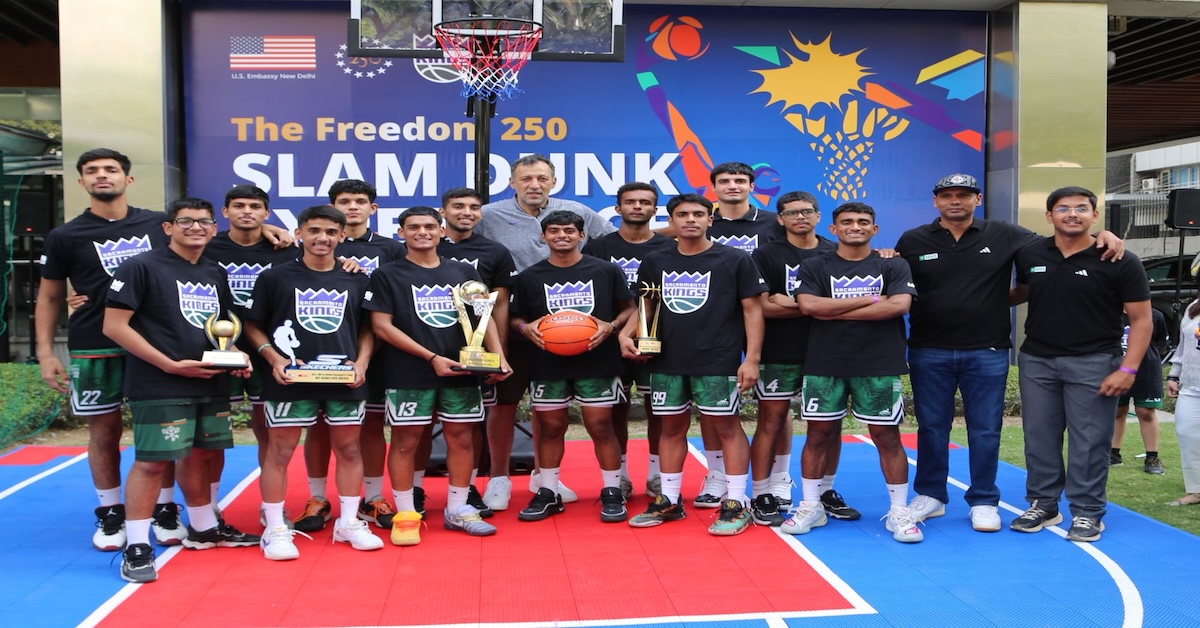
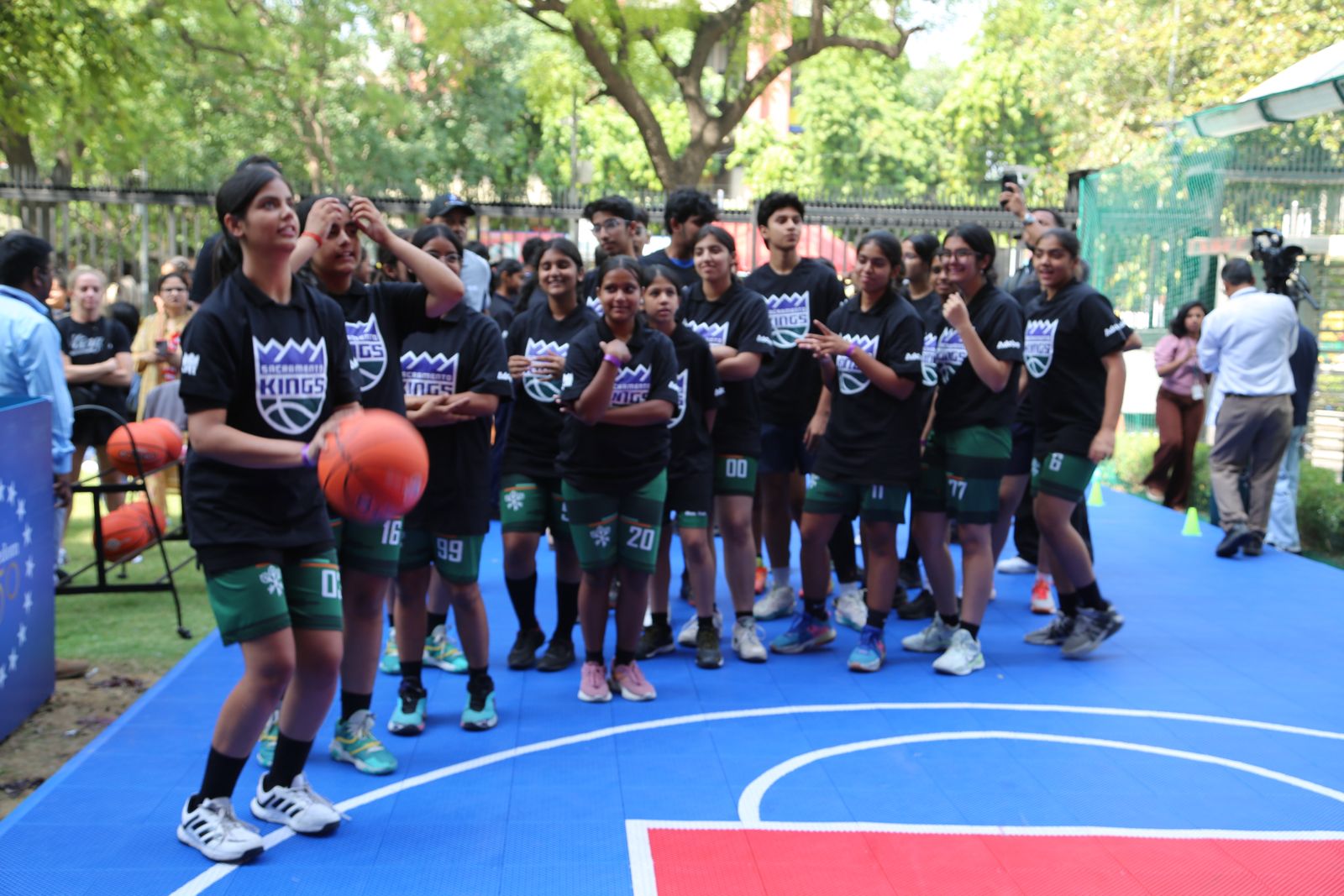
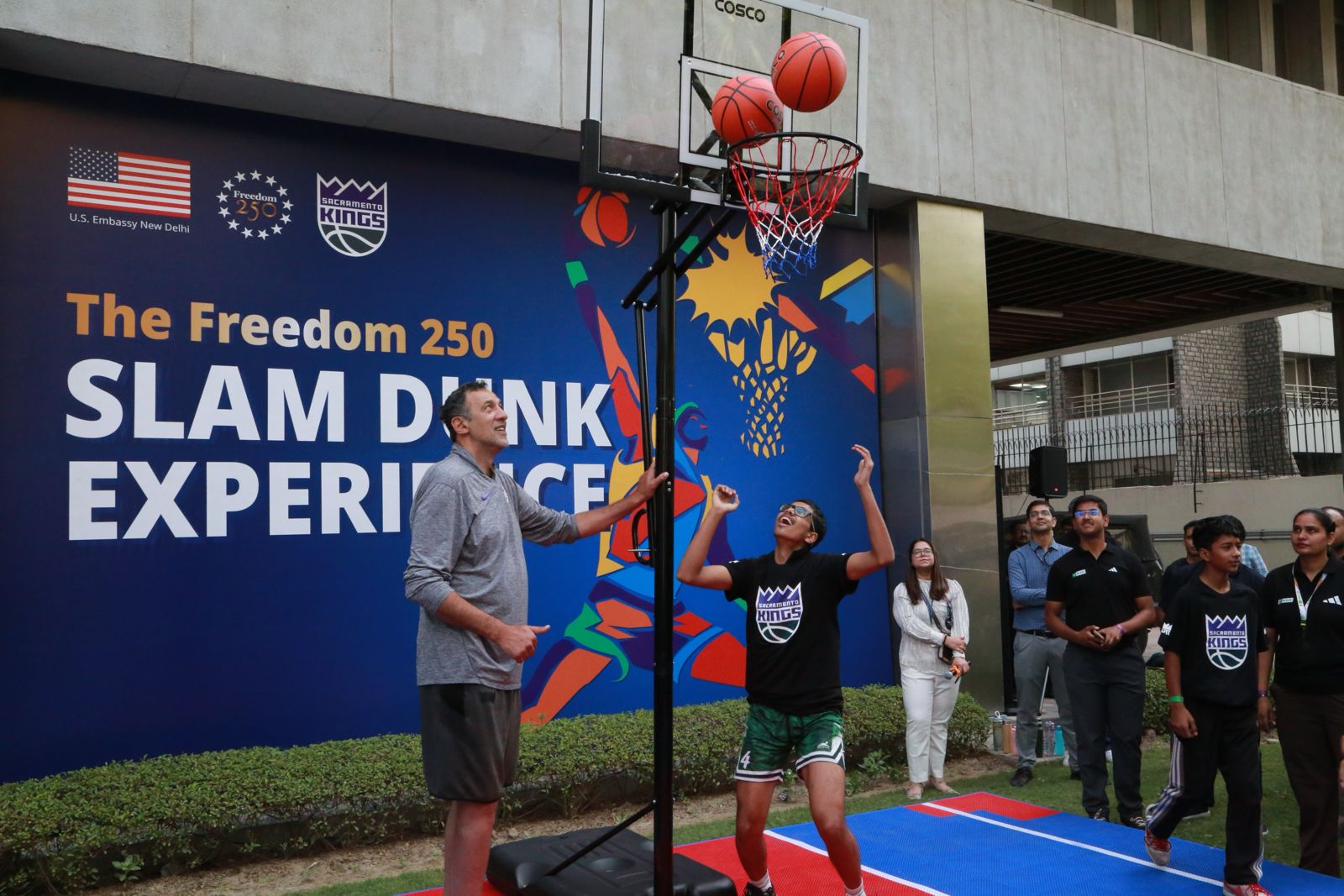
In May 2026, that connection came to life at the American Center New Delhi during the Freedom 250 Slam Dunk Experience. More than 150 students from schools and basketball academies across Delhi gathered to meet representatives from the NBA, the premier professional basketball league in the United States and home to the sport’s biggest stars.
The event was organized as part of Freedom 250 celebrations, an initiative marking the 250th anniversary of the United States. In New Delhi, the U.S. Embassy partnered with the Sacramento Kings , an American professional basketball team, to create an opportunity for students to connect through sport, skill-building, and shared aspirations.

The growing footprint of basketball in India
When asked about their basketball heroes, the students answer quickly: Stephen Curry, Kobe Bryant, Allen Iverson, Devin Booker, and Giannis Antetokounmpo. The names span different eras, teams, and playing styles, reflecting basketball’s growing reach.
For Aphyupang Mishra, one of the event participants, Antetokounmpo stands out as an inspiration. Mishra admires the Milwaukee Bucks star “because he is very dominating and he is very powerful.” Like many young players at the event, he hopes to play professionally outside India and eventually compete at the highest level of the sport.
Those ambitions were a common theme throughout the day. Krishna Singh, a 16-year-old player from Nehru World School who represented Uttar Pradesh at the national level, hopes to compete internationally one day. “My aim is to make it to the NBA,” he says.
His schoolmate, Mayank Tyagi, shares a similar goal. “I want to play for India, but my main aim is to play internationally,” he says.
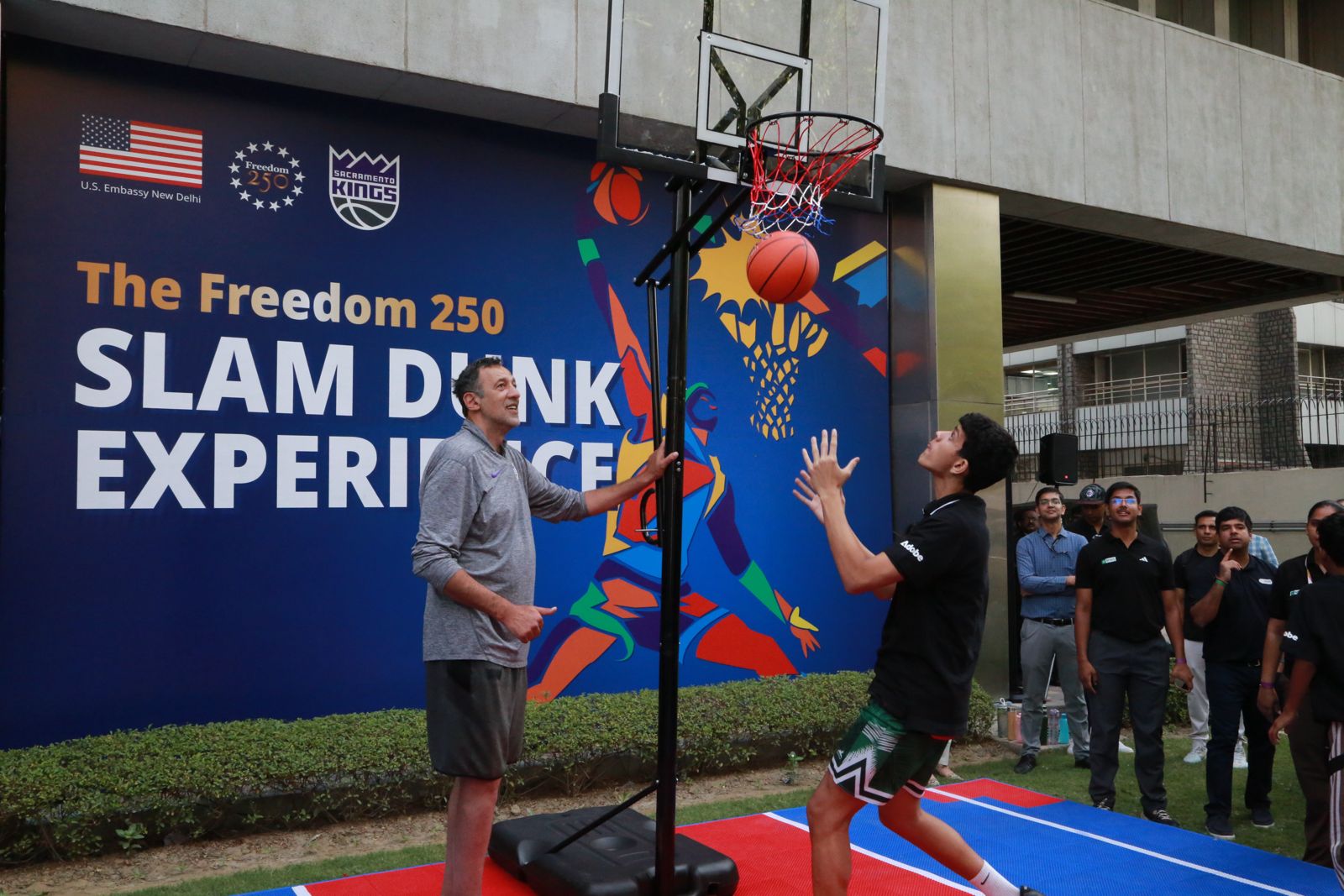
Throughout the event, participants rotated across shooting, passing, and dribbling stations while interacting with coaches from the Sacramento Kings and fellow players from across Delhi. For many students, the experience reinforced their belief that basketball’s future in India is bright.
“Basketball is growing in India, and it really has a future,” says Rudrakshi Verma of Nehru World School. She believes the sport offers lessons that extend beyond athletic performance. “It’s not just about the game. We get to meet new people, we get to learn new things, we get sportsmanship, which we cannot learn from books or academically,” she says.
Simran from Shiv Nadar School draws inspiration from NBA legend Kobe Bryant, whose dedication and discipline continue to influence players around the world. Bryant’s famous “Mamba Mentality,” a philosophy centered on relentless self-improvement and resilience, remains a source of motivation for her.
Training from an NBA Hall of Famer
The opportunity to learn extended beyond drills and scrimmages. Students also heard from NBA Hall of Famer Vlade Divac , whose career with the Los Angeles Lakers, Charlotte Hornets, and Sacramento Kings helped make him one of basketball’s most recognizable international players.
Speaking to participants, Divac emphasized that success is not determined by where someone begins. Drawing on his journey, he encouraged students to focus on hard work, discipline, and education as they pursue their goals. “It doesn’t matter where you’re born,” he said. “You can achieve your dreams anyway, but you have to do the right things.”
Divac also stressed the importance of balancing athletic and academic development, noting that dedication both on and off the court can create opportunities for young players. “If you love the game, if you work hard, if you do well in school, basketball definitely gives you a path to become an NBA player,” he said.
For students aspiring to compete internationally, the message was clear: talent matters, but commitment and preparation matter just as much. Divac reminded participants that opportunities can emerge from unexpected places for those willing to invest in their development. “If you do love the game, if you work on your game, if you develop your game, down the road, you never know, you can end up in the NBA,” he said.
U.S.-India sports diplomacy in action
Beyond basketball skills, the event created opportunities for meaningful conversations. Several students said that interacting with U.S. coaches, players, and representatives gave them a deeper understanding of the people and perspectives behind the sport.
Theo, a student participant, said the event stood out because of how interactive it felt. “They made sure no one felt left out,” she says. “It was very holistic.”
For Rudrakshi, the experience highlighted common ground between young people in India and the United States. “We get to know what they think, how they are, the mentality for the sport, and our common ground,” she says.
Basketball trainer and content creator Devansh Pavdighada has experienced those connections firsthand. After studying and training in the United States, he now works in India to develop young talent while documenting the country’s growing basketball culture.
“Sports, arts, and music: these are some things that surpass all boundaries,” he says.
Pavdighada feels basketball creates a sense of unity in a way few other platforms can. The relationships he built through the sport continue to shape his life and career.
“Basketball helped me so much in making friends, meeting new people, and even building confidence,” he says. “It’s just uniting people in a very unique way, and that’s what’s amazing about it.”
Building a global future for basketball
Divac sees significant potential for basketball in India. “India is a great big country, and we would love to help them develop, especially kids, for basketball,” he says.
While acknowledging cricket’s enduring popularity, Divac believes basketball can continue to grow alongside it. The enthusiasm and talent displayed by students throughout the event reinforced that belief.
For Divac, India’s future in basketball is part of a larger story about the sport’s ability to connect people across borders. Over the course of his career, basketball has connected him to people and communities around the world, demonstrating the game’s global reach.
The Freedom 250 Slam Dunk Experience reflected that spirit. By bringing together students, coaches, and NBA representatives, the event showcased how sport can inspire young people, create new opportunities, and strengthen connections between India and the United States.
As Divac put it, “sports unite people.”
(This article was first published in the U.S. Embassy’s SPAN magazine)