Patna: The Bihar government on Friday honoured renowned Japanese art patron Tokio Hasegawa for his contribution to the global promotion of Mithila painting, recognising his role in bringing one of Bihar’s most celebrated folk art traditions to international audiences.

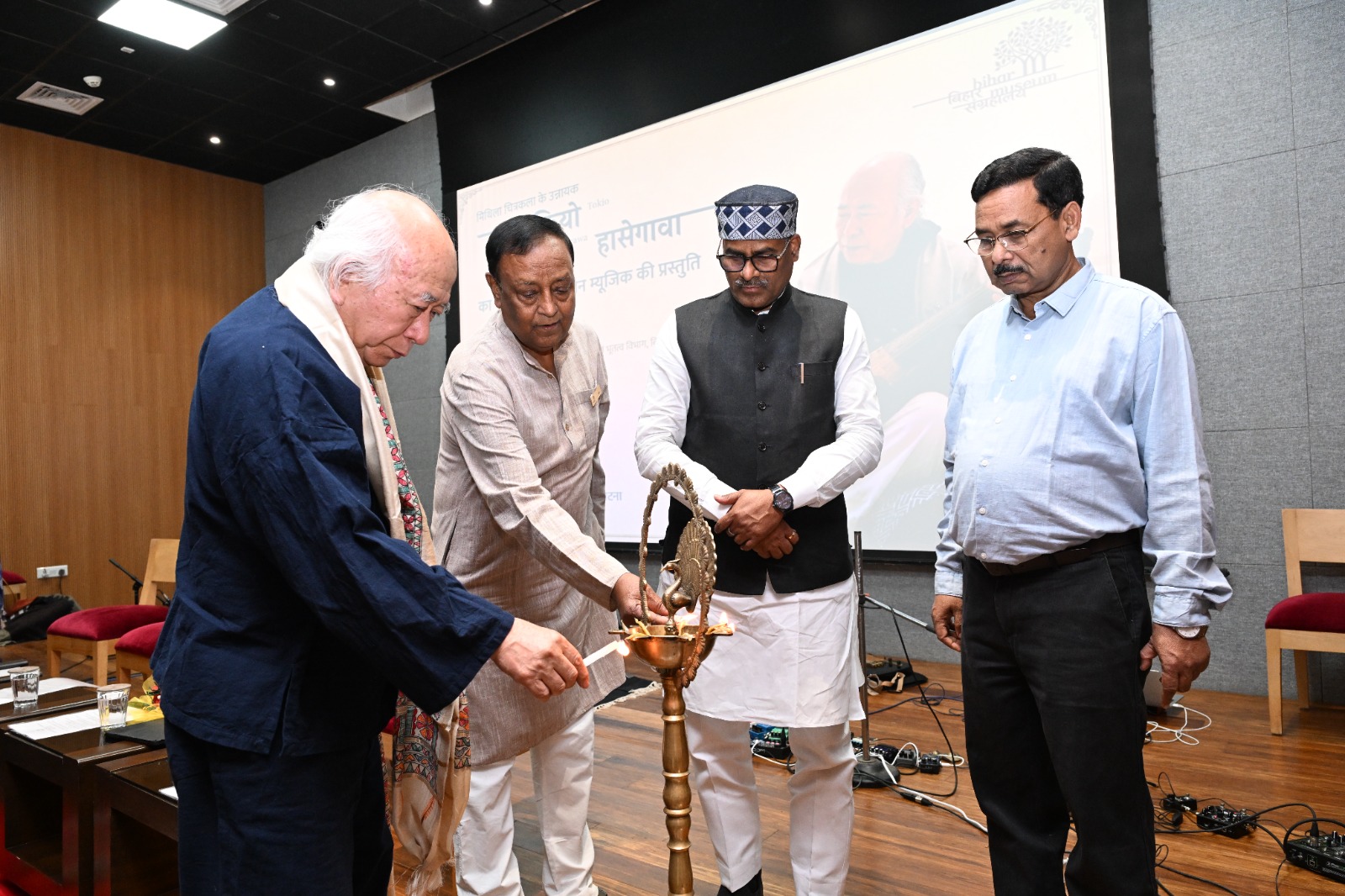
The event, organised by the Department of Art, Culture and Youth Affairs at Patna Museum, was inaugurated by Art, Culture and Youth Affairs Minister Dr. Pramod Kumar.
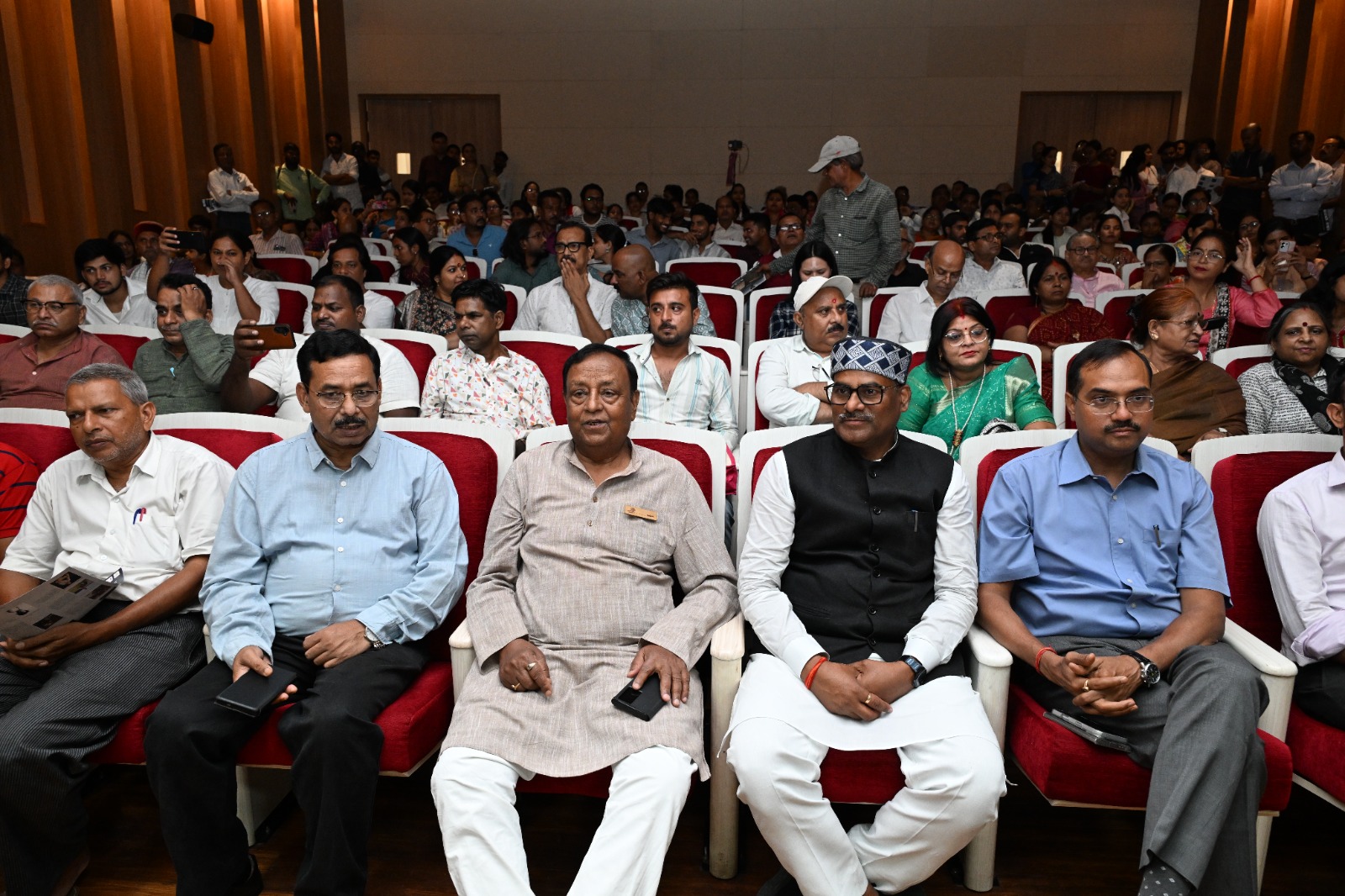
Among those present were Anjani Kumar Singh, Director General of Bihar Museum; Pranav Kumar, Secretary of the Department of Art, Culture and Youth Affairs; Ashok Kumar Sinha, Additional Director of Bihar Museum; along with artists, researchers and art enthusiasts.

A Lifelong Advocate Of Mithila Painting
Addressing the gathering, Dr. Pramod Kumar described Hasegawa’s contribution to Mithila painting as “historic and unforgettable”.
The minister recalled that Hasegawa first travelled from Japan to Madhubani in 1980 after being inspired by the art form. According to him, the Japanese art patron subsequently worked closely with local artists and dedicated himself to introducing Mithila painting to audiences around the world.
He said Hasegawa’s efforts played an important role in elevating the international profile of the traditional art form and bringing global recognition to Bihar’s cultural heritage.
Building Global Recognition For Bihar’s Folk Art
Pranav Kumar also praised Hasegawa’s role in establishing Mithila painting as an internationally recognised art form.
Speaking earlier, Ashok Kumar Sinha reflected on Hasegawa’s life and his longstanding association with the artists of the Mithila region. He highlighted the challenges and commitment that marked Hasegawa’s efforts to preserve and promote the tradition over several decades.
Sinha said the Japanese patron’s work remains an enduring example of cultural dedication and international collaboration.
‘A Living Document Of Bihar’s Culture’
In his address, Hasegawa shared memories from his decades-long engagement with Mithila painting and the communities that practise it.
He described the art form as far more than a visual tradition, calling it “a living document” of Bihar’s culture, folk life and social customs.
Hasegawa also emphasised the importance of deepening cultural exchanges between India and Japan, noting that artistic collaborations can strengthen understanding between societies.
Stone Music Performance Captivates Audience
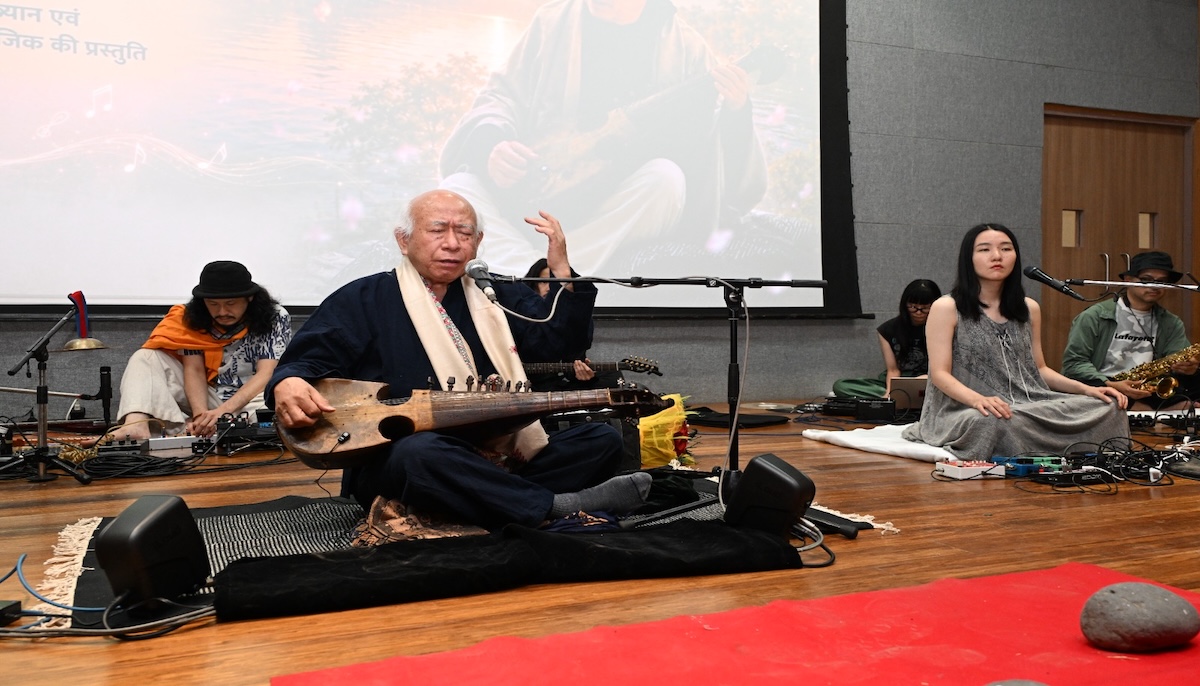
A highlight of the programme was a performance of “Stone Music” by Hasegawa and his team.
The presentation used sounds generated from stones to create musical compositions, offering a unique blend of art, nature and performance.
Audience members responded enthusiastically to the performance, which organisers said conveyed a message of harmony between nature, music and human life.
The event formed part of Bihar’s broader efforts to celebrate individuals who have contributed to preserving and promoting the state’s artistic traditions beyond India’s borders, while reinforcing the global appeal of Mithila painting as a symbol of the region’s cultural identity.