Patna: The Bihar government has approved the preparation of detailed plans for four Regional Rapid Transit System (RRTS) corridors connecting Patna with Gaya, Bhagalpur, Muzaffarpur and Ara, marking a significant step towards introducing high-speed regional rail connectivity in the state.

The decision was taken at a Cabinet meeting chaired by Deputy Chief Minister Samrat Choudhary. The Cabinet also approved Rs 31.59 crore for the preparation of the Alignment Approval Report (AAR) and the Detailed Project Report (DPR) for the proposed corridors.
Four Corridors Identified

According to the state government, the proposed RRTS network will include the following routes:
- Patna–Gaya
- Patna–Bhagalpur
- Patna–Sonpur–Muzaffarpur
- Patna–Ara
Officials said the project is intended to improve regional connectivity and reduce travel times between Patna and key urban centres across Bihar.
Faster Travel Proposed
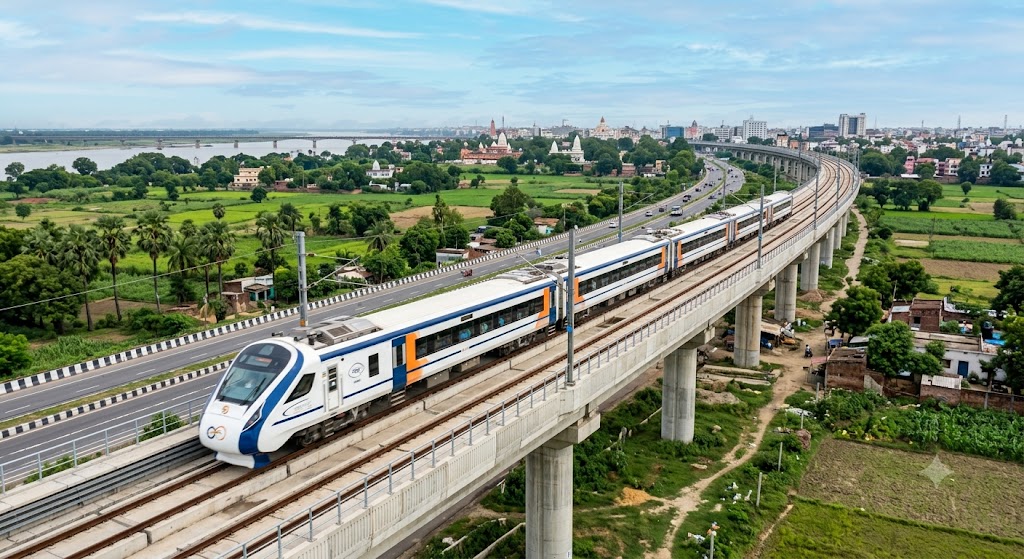
The government said trains on the proposed RRTS network are expected to operate at speeds of up to 160 kmph.
According to officials, the Patna–Muzaffarpur journey, which currently takes around three hours on conventional trains and about 90 minutes on the Vande Bharat Express, could be reduced to around one hour if the proposed system becomes operational.
The final journey times, however, will depend on the design and operational specifications approved during the detailed project planning stage.
What Is The Regional Rapid Transit System?
The Regional Rapid Transit System is a high-speed commuter rail network designed to provide fast connectivity between major cities and surrounding urban centres.
Unlike conventional rail services, RRTS trains are designed for frequent operations and higher speeds while offering metro-style passenger amenities. The proposed trains are expected to feature air-conditioned coaches, comfortable seating, charging points, digital passenger information systems and enhanced safety features.
Delhi–Meerut Corridor Serves As Model
The Bihar government is drawing on the experience of India’s first operational RRTS corridor between Delhi and Meerut, where Namo Bharat trains provide high-speed regional connectivity.
Officials said the proposed Bihar network is intended to adopt a similar model to improve inter-city transport within the state.
Economic And Infrastructure Impact
According to the state government, the proposed rapid rail network is expected to strengthen connectivity between educational institutions, industrial centres, healthcare facilities and commercial hubs.
Officials also said improved transport infrastructure could support investment, generate employment opportunities and facilitate regional economic growth.
The project is currently at the planning stage. Construction timelines will be determined after the completion and approval of the Alignment Approval Report and the Detailed Project Report.