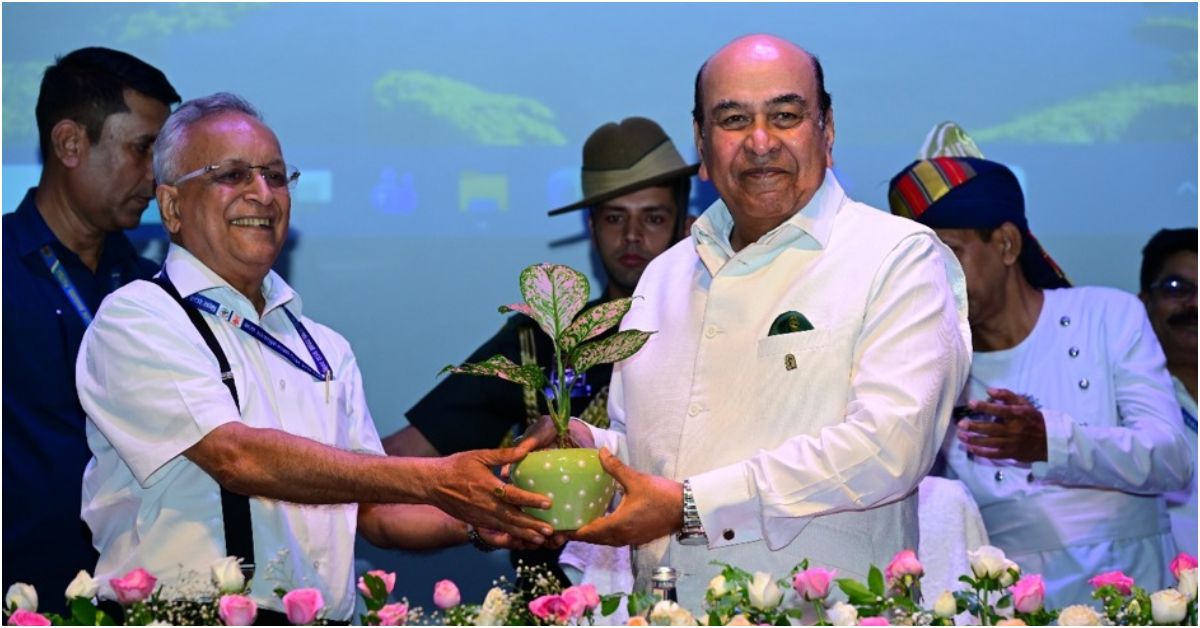
Patna: Preparedness, timely early warnings and active public participation are critical to achieving the goal of “Zero Casualty” during disasters, Bihar Governor said while addressing a state-level workshop on Disaster Risk Management in Patna on Wednesday.

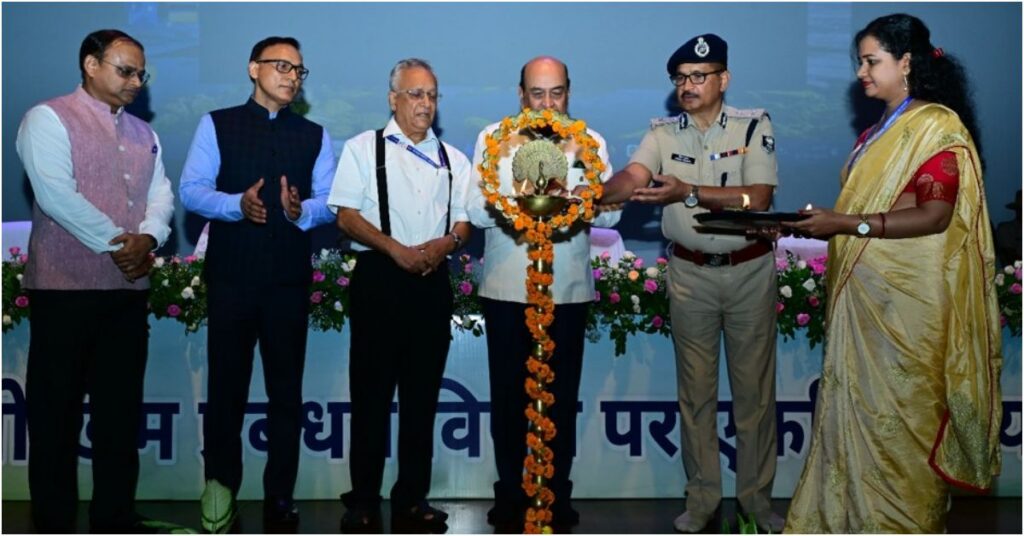
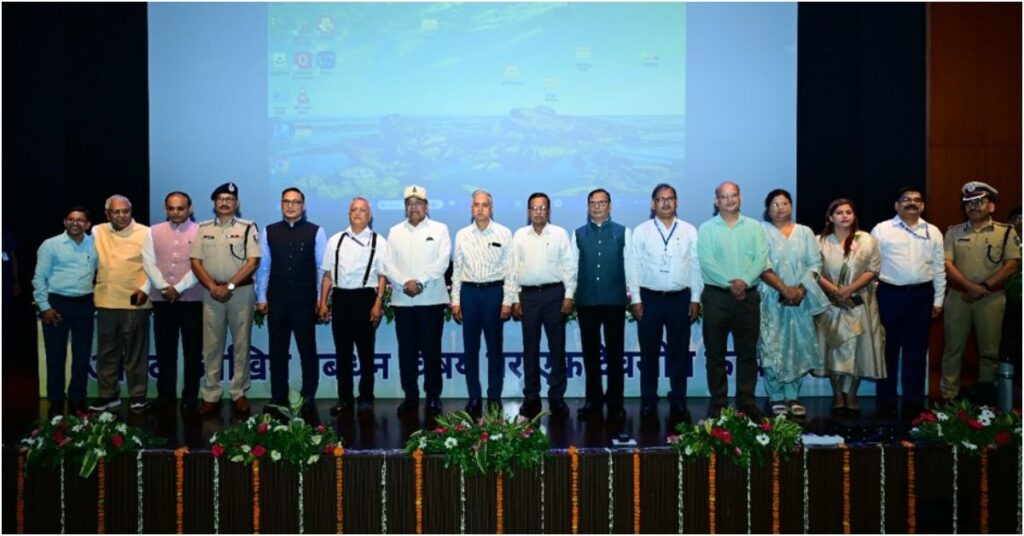
The one-day workshop was jointly organised by the Bihar State Disaster Management Authority (BSDMA) and the National Institute of Disaster Management (NIDM), Government of India, at Sardar Patel Bhawan. Bihar Disaster Management Minister Ratnesh Sada inaugurated the event, while the Governor addressed the concluding session.
Senior government officials, disaster management experts, academicians, representatives from universities and colleges, NCC and NSS members, youth volunteers and other participants attended the programme.

Governor Calls for Stronger Preparedness
Addressing the concluding session, the Governor said disaster management extends beyond relief and rescue operations and must focus on prevention, preparedness, public awareness and timely dissemination of warnings.
Drawing on his experience with the National Disaster Management Authority (NDMA), he said closer coordination between NIDM and State Disaster Management Authorities is essential for reducing disaster risks.
He said strengthening early warning systems, conducting regular training, improving District Emergency Operation Centres (DEOCs), developing trained human resources and ensuring rapid response mechanisms would help reduce the impact of disasters.
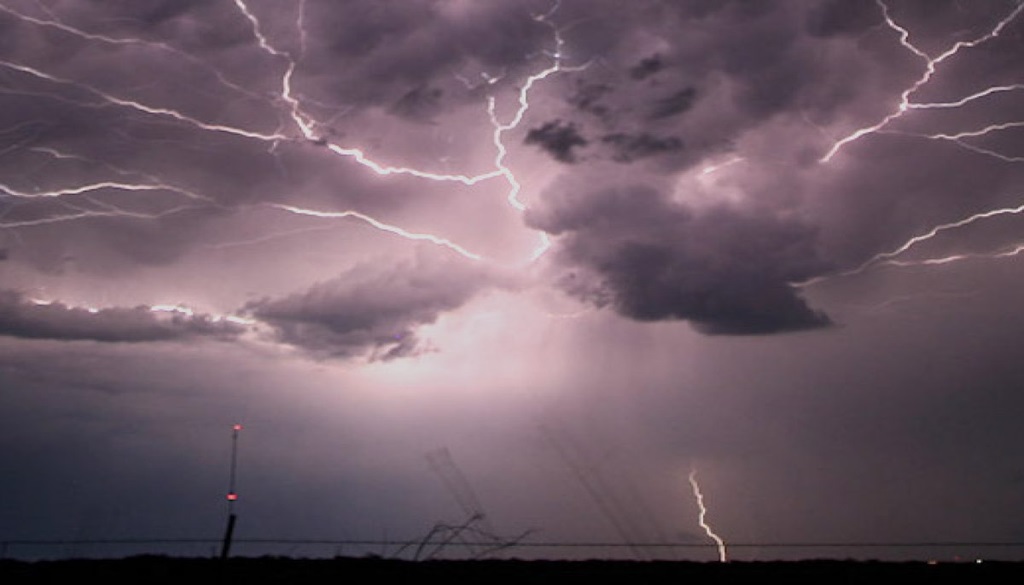
Referring to Bihar’s recurring floods, lightning strikes and other natural hazards, the Governor stressed that information should reach communities promptly and preparedness should extend to the grassroots level.
He also highlighted the contribution of Aapda Mitras, the State Disaster Response Force (SDRF) and the National Disaster Response Force (NDRF), while calling for stronger inclusive disaster risk reduction programmes for persons with disabilities, senior citizens, women and children. He advocated regular mock drills, disaster management education in schools and universities, and public awareness campaigns to build a disaster-resilient Bihar.
Minister Highlights Impact of Climate Change
Speaking at the inaugural session, Disaster Management Minister Ratnesh Sada said climate change has increased the frequency and intensity of natural disasters.
He said community participation, preparedness and public awareness remain the most effective measures to reduce disaster risks, adding that disaster management is a shared responsibility of citizens as well as government agencies.
BSDMA Focuses on Community-Based Programmes
BSDMA Vice-Chairperson Udaykant Mishra said building a safe Bihar requires the participation of every citizen and cannot be achieved by government institutions alone.
He said the authority has expanded its collaboration with NIDM and is implementing programmes on community awareness, capacity building and disaster risk reduction. These include rural and slum fire safety campaigns, inclusive disaster risk reduction initiatives, master trainer programmes for persons with disabilities, the Safe Friday campaign and awareness drives among vulnerable communities such as brick kiln workers.
Mishra also called for greater use of digital technology in training programmes and proposed the establishment of a permanent NIDM training and capacity-building centre in Bihar.
Officials Emphasise Awareness and Knowledge Sharing
BSDMA member P. N. Rai said most disaster-related deaths can be prevented through awareness and caution. He urged people to remain alert during lightning, adverse weather conditions and while travelling on roads.
Disaster Management Department Principal Secretary Santosh Kumar Mall said Bihar has made significant progress in disaster management through early warning systems, coordinated action among departments and timely preparedness. He encouraged participants to share the knowledge gained during the workshop within their communities.
Technical Sessions Cover Disaster Preparedness
Experts from BSDMA and NIDM conducted technical sessions on disaster risk reduction and emergency preparedness.
Presentations covered the Disaster Management Act and disaster financing, hospital fire safety, lightning protection, youth participation in disaster management, safe swimming and drowning prevention, school safety, cyber security awareness, inclusive disaster risk reduction for persons with disabilities, weather forecasting through the BODHI platform and the functioning of the State Emergency Operation Centre (SEOC).