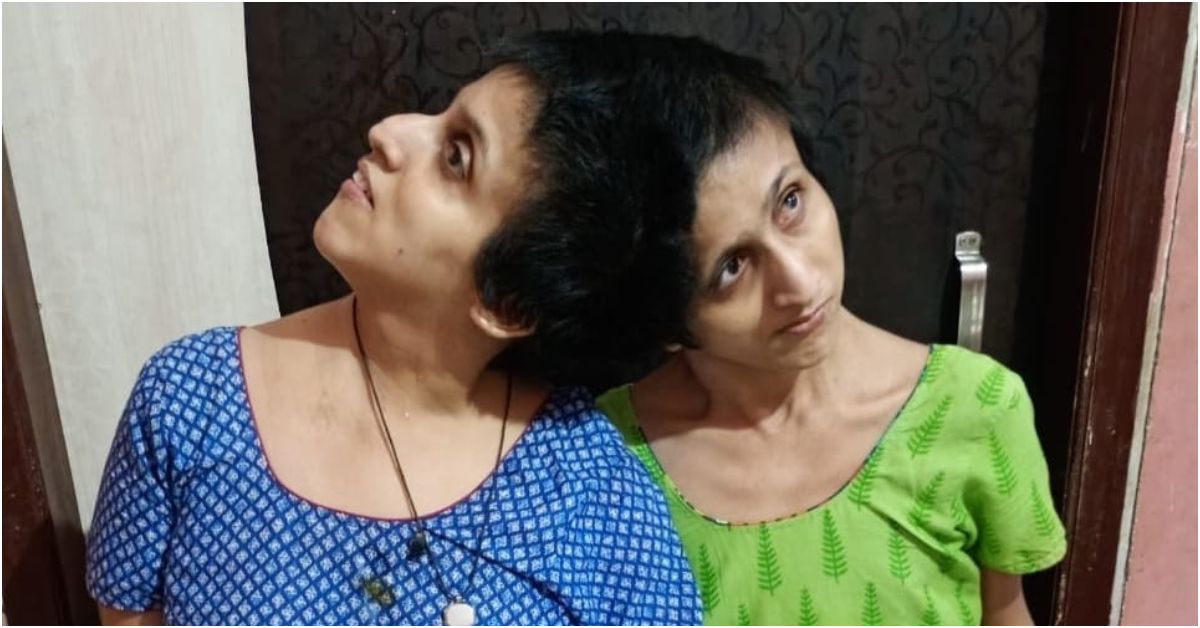
Patna: Bihar’s Health Department has launched a renewed medical monitoring programme for Saba and Farah, 23-year-old craniopagus twins from Patna who have been joined at the head since birth. Under the initiative, a team of specialist doctors will visit their home every month to assess their health and ensure continuity of treatment.

The move comes after the sisters reported that they had not received essential medicines for nearly three months. Health officials have since delivered the required medication and introduced a system for regular follow-up care.
Civil Surgeon Reviews Medical Arrangements

On Wednesday, Civil Surgeon Yogendra Prasad Mandal visited the sisters’ residence in the Samanpura area of Rajabazar along with a team of doctors.
During the visit, the team assessed their health condition and reviewed their treatment arrangements. Mandal said regular medical care would be ensured and that no interruption would be allowed in their treatment.
According to the Health Department, specialist doctors will now conduct monthly home visits to monitor the sisters’ condition and recommend further treatment when required.
Multi-Specialty Team to Oversee Treatment
The department has constituted a team of specialists from multiple medical disciplines to oversee the twins’ care.
The team includes doctors from the Cardiology, Nephrology and Endocrinology departments, along with specialists in Obstetrics and Gynaecology and Orthopaedics. Pathological investigations will also be carried out at home whenever necessary.
Officials said the objective is to ensure an organised treatment plan with regular follow-ups and timely medical intervention.
Rare Medical Condition Requires Continuous Care
Saba and Farah are craniopagus twins, a rare congenital condition in which twins are joined at the head. The condition is among the rarest forms of conjoined twins worldwide and requires long-term multidisciplinary medical care.
Both sisters depend on daily medication. According to the family, the recent disruption in medicine supply led to worsening bone pain, swelling in their hands and feet, and other health complications. One of the sisters also has a single functioning kidney, making continuous monitoring particularly important.
Family Welcomes the Initiative
After receiving the medicines, Saba and Farah said they were relieved that their treatment could continue without interruption.
They also welcomed the Health Department’s assurance of regular home visits, saying it would reduce the need for frequent hospital trips.
Their brother, Tamanna, confirmed that the medicines had been delivered two days earlier and said the family appreciated the department’s renewed commitment to their care.
You may like to read this article:
Three Months Without Medicines: Why a Supreme Court Order Has Not Reached Patna’s Conjoined Sisters
Monitoring Revived After Earlier Disruption
The monthly home monitoring system was originally introduced in 2012 following a directive from the Supreme Court. Under that arrangement, specialist doctors regularly visited the sisters’ home to monitor their health.
The programme was later disrupted. The Health Department has now decided to restore the system, aiming to provide consistent medical supervision and reduce the burden on the family.
Sisters Who Tied Rakhi to Salman Khan
Saba and Farah came into the national spotlight in 2009 when they travelled to Mumbai and tied rakhi to actor Salman Khan.
During the meeting, Salman Khan accepted them as his sisters and assured the family of his support. The interaction drew widespread public attention and has remained one of the most recognised moments associated with the twins’ story.
With the resumption of regular medical monitoring, the family hopes the strengthened healthcare support will help improve the sisters’ quality of life and ensure uninterrupted treatment.