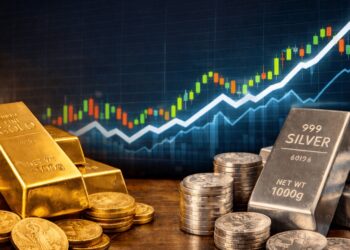
Gold and silver prices moved higher on September 8, with the latest rates showing gains in both precious metals.

According to the rates cited from the India Bullion and Jewellers Association (IBJA), the price of 24-carat gold increased by Rs 606 to Rs 1.53 lakh per 10 grams. Silver gained Rs 2,406, taking its price to Rs 2.34 lakh per kg.
The IBJA publishes benchmark rates for different grades of gold and silver, which are widely used as a reference in India’s bullion and jewellery markets.

Gold Up Nearly Rs 20,000 This Year
Gold has recorded a substantial increase compared with its price at the end of 2025.
On December 31, 2025, 10 grams of gold was priced at around Rs 1.33 lakh. At Rs 1.53 lakh now, the metal has gained about Rs 19,000 so far this year.
Silver, meanwhile, was priced at around Rs 2.30 lakh per kg on December 31, 2025. Its latest price of Rs 2.34 lakh represents an increase of about Rs 4,000 over that level.
However, the two metals have seen sharp price swings during the year.
Gold touched an all-time high of around Rs 1.76 lakh per 10 grams on January 29, while silver reached around Rs 3.86 lakh per kg on the same day.
Why Gold Prices Differ Across Cities
Gold prices can vary from one city to another even when benchmark bullion rates remain broadly similar. Several factors contribute to the difference.
Transportation And Security Costs
Gold transported between cities involves logistics, insurance and security expenses. These costs can influence the final rate charged by jewellers.
Local Demand
Demand for gold varies across regions. Differences in buying patterns and the volume of jewellery purchases can affect local market rates.
Local Jewellery Associations
Local market conditions, including demand and supply, can influence rates quoted by jewellery associations and individual jewellers.
Existing Stock
The price at which a jeweller purchased existing inventory can also affect the rate offered to customers, particularly when market prices are changing rapidly.
What To Check Before Buying Gold Jewellery
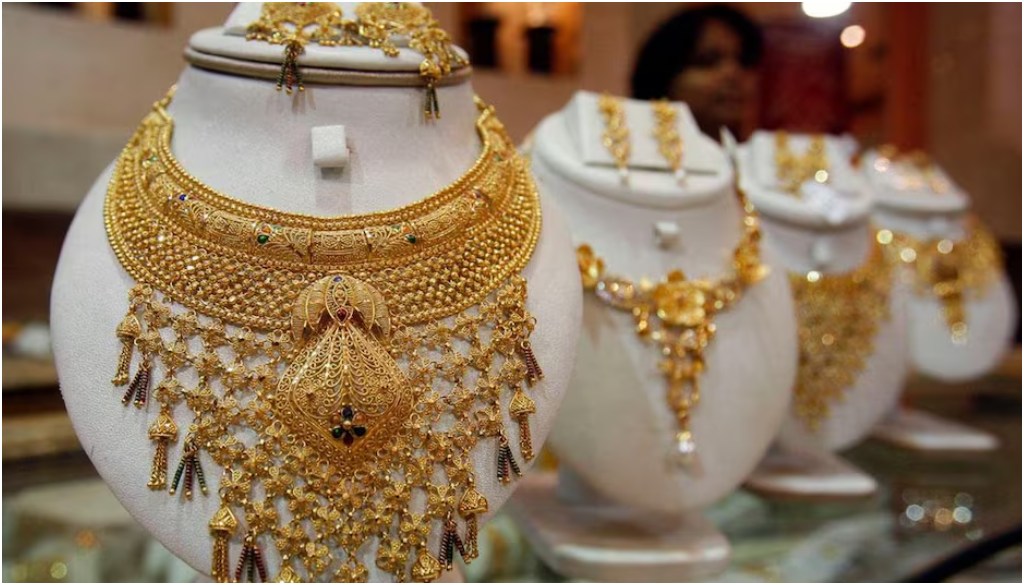
The bullion rate is only one part of the final price consumers pay for jewellery. Buyers should also check purity, weight, making charges and applicable taxes.
Check BIS Hallmarking
Consumers should buy BIS-hallmarked gold and check the relevant hallmark details before completing a purchase. Hallmarking helps establish the purity of the gold.
Compare The Gold Rate
Gold is sold in different purities, including 24-carat, 22-carat and 18-carat. Buyers should confirm the purity and compare the applicable rate before making a purchase.
It is also advisable to check the day’s benchmark bullion rate before visiting a jeweller.
Check Making Charges
Making charges are added to cover the cost of converting gold into jewellery. These charges can vary depending on the design, jeweller and type of jewellery.
Customers can ask for a clear breakdown of making or labour charges and compare the overall price before buying.
Gold And Silver Prices Remain Volatile
The latest increase comes after a year of considerable volatility in the precious metals market.
Gold has remained well above its December 2025 level despite moving below its January peak, while silver has experienced an even wider price range.
International factors, currency movements, interest-rate expectations and investor demand can influence bullion prices. Recent market coverage has also linked movements in gold and silver to changes in the US dollar and expectations around US inflation and monetary policy.
For jewellery buyers, the final purchase price will depend on the prevailing bullion rate, purity, weight, making charges and applicable taxes. City-level prices may therefore differ from benchmark rates.