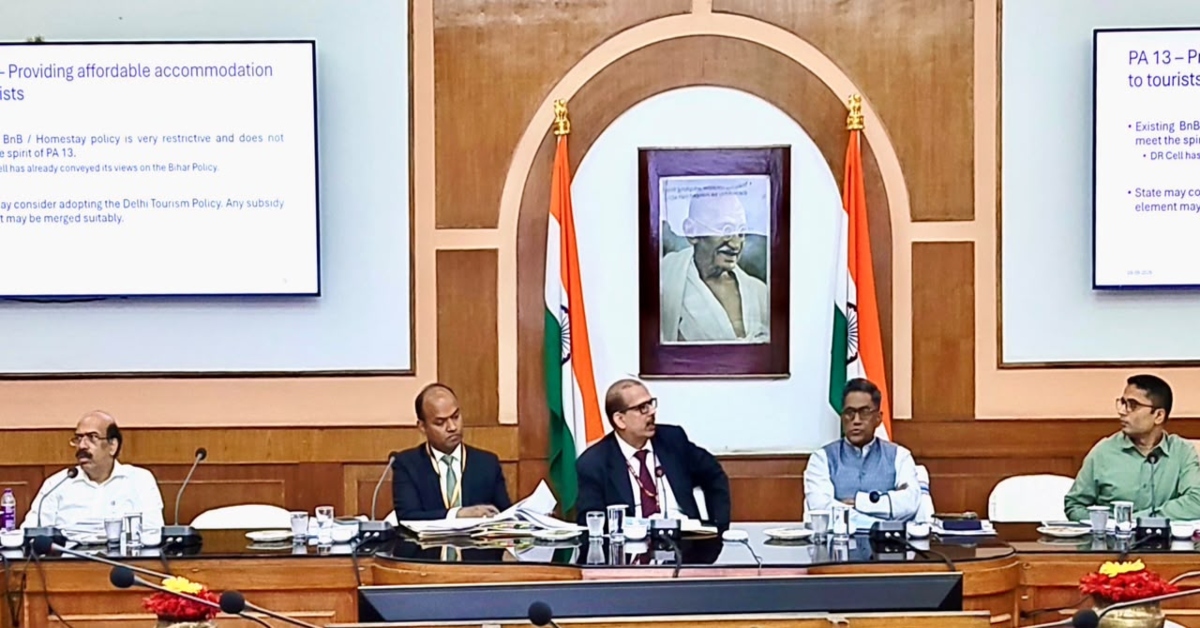
Patna: Bihar is stepping up its efforts to reduce regulatory hurdles and improve the Ease of Doing Business (EoDB), with a high-level review on September 9 examining the progress of the state’s Deregulation 1.0 and 2.0 initiatives.

The meeting was jointly chaired by K.K. Pathak, Special Secretary in the Cabinet Secretariat, Government of India, and Bihar Chief Secretary Pratyay Amrit.
Officials reviewed the implementation of reforms across several sectors, including construction, industry, land, health, tourism and public services.

The discussions focused on simplifying procedures, reducing compliance burdens and making government approvals more predictable for businesses and citizens.
New Building Rules Could Change Approval Process
One of the key reforms under discussion is the proposed Bihar Building Bye-Laws 2026.
The new framework is being prepared to simplify building approvals, reduce the loss of commercially usable plots and encourage mixed-use development.
Under the proposed system, low-risk buildings could be covered by self-certification, allowing applicants to take greater responsibility for compliance rather than relying entirely on conventional government inspections.
For medium-risk buildings, the government is considering inspections by third-party agencies.
The aim is to speed up approvals while maintaining safety checks according to the level of risk involved.
EoDB Law Targets Business Red Tape
The Bihar Ease of Doing Business Bill 2026 is another major component of the reform programme.
The Bihar legislature approved the Bill on July 23, 2026. The legislation seeks to reduce procedural burdens faced by industries and businesses operating in the state.
Among the measures discussed are relief from dual licensing requirements, approvals for eligible MSMEs through self-declaration and protection from certain inspections.
The broader objective is to reduce unnecessary regulatory intervention while making it easier for businesses to start and operate.
Landowners Could Get Relief From CLU Requirement
Land-use regulations were also part of the review.
The state has agreed to remove the requirement for Change of Land Use (CLU) in certain cases, a move expected to simplify procedures for farmers and landowners.
The government is also working on measures to speed up electricity connections, which can affect both residential and commercial development.
Another proposed change is the removal of the minimum land requirement for private schools, potentially reducing an infrastructure-related barrier for institutions seeking to establish or expand educational facilities.
Government Rules Shift To A Digital Repository
Bihar has also moved to make its regulatory framework easier to access digitally.
A centralised repository containing the state’s rules, Acts and government orders went live on June 19, 2026, on the Bihar government website.
More than 2,000 documents have been uploaded to the repository so far, according to the government.
The state has also introduced an auto-appeal system under the Right to Public Services (RTPS) framework. The system became operational on June 23 after receiving Cabinet approval.
The measures are intended to improve transparency and make it easier for citizens and businesses to track the rules and services that apply to them.
Health And Tourism Also In Reform Plan
The deregulation exercise extends beyond business and construction.
For the health sector, the government has decided to develop a Unified Health Licensing Portal to bring licensing-related processes onto a common platform.
The State Health Society is expected to issue an RFP for development of the portal.
Tourism is another area targeted by the reforms. Under the Chief Minister Homestay Promotion Policy 2026, rules have been simplified to encourage more people to develop homestay facilities.
The Tourism Department has now been asked to make the policy even more liberal.
Third-Party Inspections To Be Expanded
The government is also considering the appointment of third-party inspection agencies for approvals in areas such as building construction, industry and health.
A final decision on the agencies is expected shortly.
The Fire Services Department has been directed to amend its rules in line with the EoDB Bill 2026 and Building Bye-Laws 2026.
The directions are aimed at ensuring that different departments do not continue to operate under rules that conflict with the state’s broader deregulation framework.
Departments Asked To Move Quickly
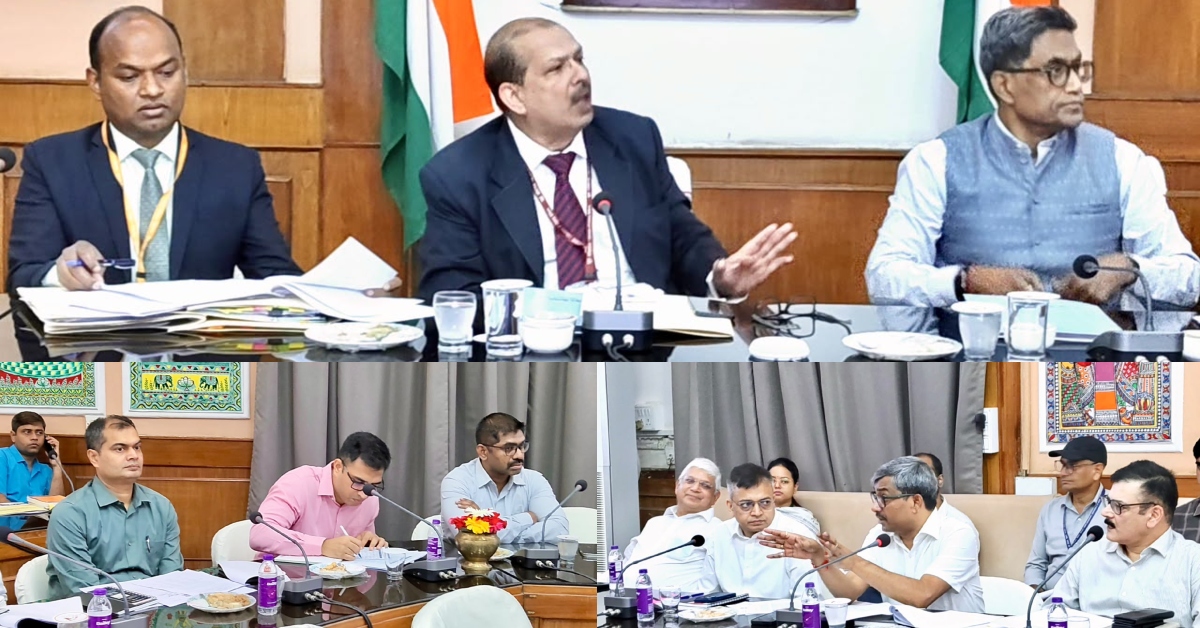
The Centre’s suggestions during the review meeting were followed by directions to state departments to issue the necessary notifications at the earliest.
Senior officials from the Industries, Urban Development, Revenue and Land Reforms, Home, Health and Education departments attended the meeting and presented updates on reforms in their respective sectors.
For businesses and developers, the changes could mean simpler approval procedures and greater use of self-certification and third-party inspections. For landowners, the proposed changes to land-use requirements could reduce procedural hurdles.
The government’s wider objective is to turn deregulation from a policy exercise into changes that can be implemented across departments, reducing delays while improving transparency and ease of access to government services.