Gaya/Patna: A controversy has emerged in Gaya ahead of the Pitru Paksha Mela over online pind daan and tourism packages being promoted for devotees.

The Gayapal community and the 14 Saiya Gayapal Committee held a press conference on Wednesday and voiced their opposition to such arrangements.
Priests Say Pind Daan Requires Devotee’s Presence

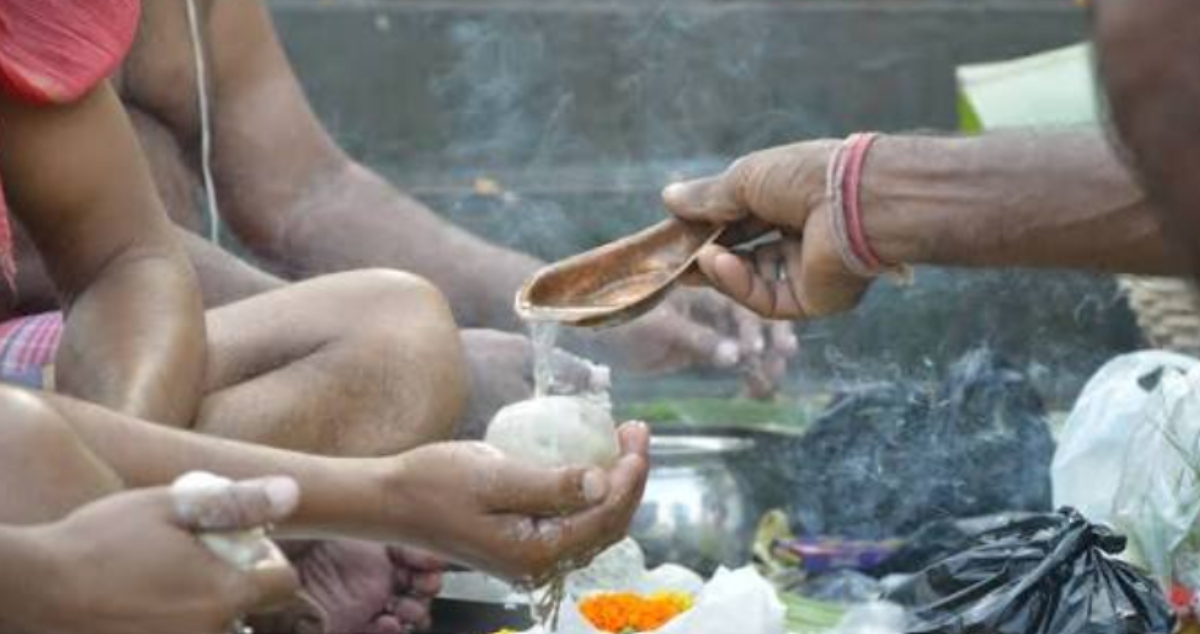
Mahesh Lal Gupta, patron of the committee, said pind daan in Gaya is performed according to Sanatan traditions and prescribed religious practices.
According to him, the physical presence of the devotee is an important part of the traditional ritual. He also claimed that there is no established traditional practice of conducting pind daan entirely online from home.
Private Packages Reportedly Cost Up to Rs 51,000
The committee claimed that private websites, hotels and other organisations are offering pind daan packages ranging from Rs 25,000 to Rs 51,000.
The representatives also raised objections to a tourism package proposed by the Tourism Department.
According to the Gayapal community, incorporating religious rituals into tourism packages could affect the traditional character and significance of the ceremony.
Concern Over Traditional Gayapal Priests
Dr Nand Kishore Gupta said Gayapal priests have traditionally maintained genealogical records of devotees and their families.
He claimed that some priest families have preserved records covering seven to 10 generations of devotees.
The community expressed concern that arrangements for conducting pind daan at hotels or other locations could reduce the role of traditional pind daan sites and Gayapal priest families.
Community Warns of Legal Action
The Gayapal community said the traditional system and religious procedures associated with pind daan should not be compromised.
Representatives warned that if the proposed arrangements were not withdrawn or stopped, they could approach the court and file a writ petition if necessary.
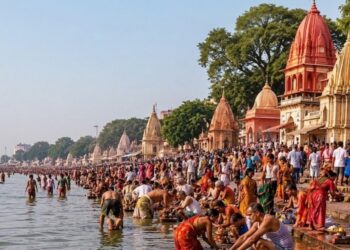
The dispute comes ahead of the annual Pitru Paksha Mela in Gaya, when thousands of devotees visit the city to perform rituals for their ancestors.