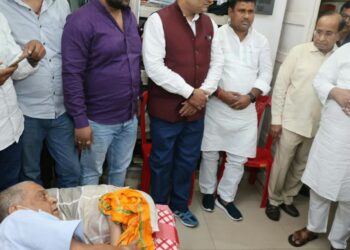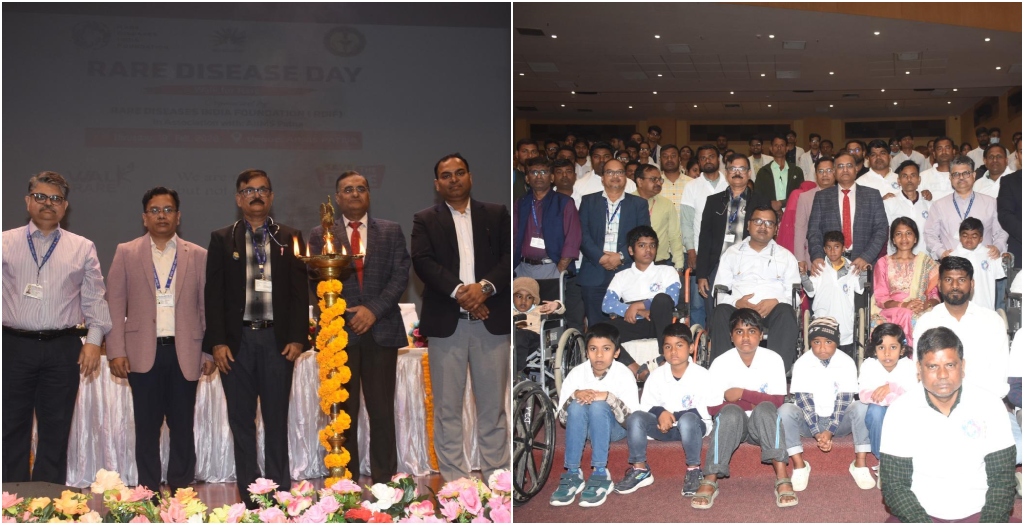
Patna: The All India Institute of Medical Sciences Patna organised an awareness programme on February 20 in partnership with the Rare Diseases India Foundation to mark Rare Disease Awareness Day. The event focused on turning awareness into action, with doctors, patients and families calling for early diagnosis, better treatment facilities and stronger government support. Experts said that although each rare disease affects a small number of people, together they impact millions across the world.

Doctors explained that more than 7,000 rare diseases have been identified globally, and nearly 70% begin in childhood. Most of these conditions are genetic and long-term, and many can become life-threatening if not treated on time. Families often struggle for years to get a proper diagnosis. Treatment can be very expensive and is not easily available in many parts of the country, especially in rural areas. This delay increases both emotional stress and financial pressure on families.
During the programme, specialists discussed conditions such as Duchenne Muscular Dystrophy, Spinal Muscular Atrophy, Thalassemia Major, Hemophilia and Gaucher Disease. They stressed the importance of newborn screening, genetic counselling and regular follow-up care. Doctors said that early testing can help start treatment sooner and improve the quality of life for children living with these conditions.

Prof (Brig) Dr Raju Agarwal, executive director of AIIMS Patna, said the institute is working as a Centre of Excellence for rare diseases and is strengthening its diagnostic and treatment services. The medical superintendent, Dr Anup Kumar, assured that the hospital would improve coordination and support for patients. Doctors from the paediatrics department also highlighted the need to expand neonatal screening to reduce delays in diagnosis.
The programme also included the participation of children living with rare diseases and their families, many of whom travelled from distant districts of Bihar. Their presence highlighted the need to make specialised services available closer to home. Among them was Jyoti Kumari, a President’s Award recipient living with Limb Girdle Muscular Dystrophy, whose determination inspired others at the event.
The event ended with a joint pledge by doctors, patient groups and organisers to improve screening, increase financial assistance and strengthen research so that people living with rare diseases receive timely and affordable care.