Patna: When Arati Gupta first read about Antarctic expeditions in an internal magazine of the India Meteorological Department (IMD), she was a young recruit at the Patna office, absorbing stories that felt impossibly distant from her life in Biharsharif, the district headquarters of Nalanda. Years later, that distant white world has become her reality.

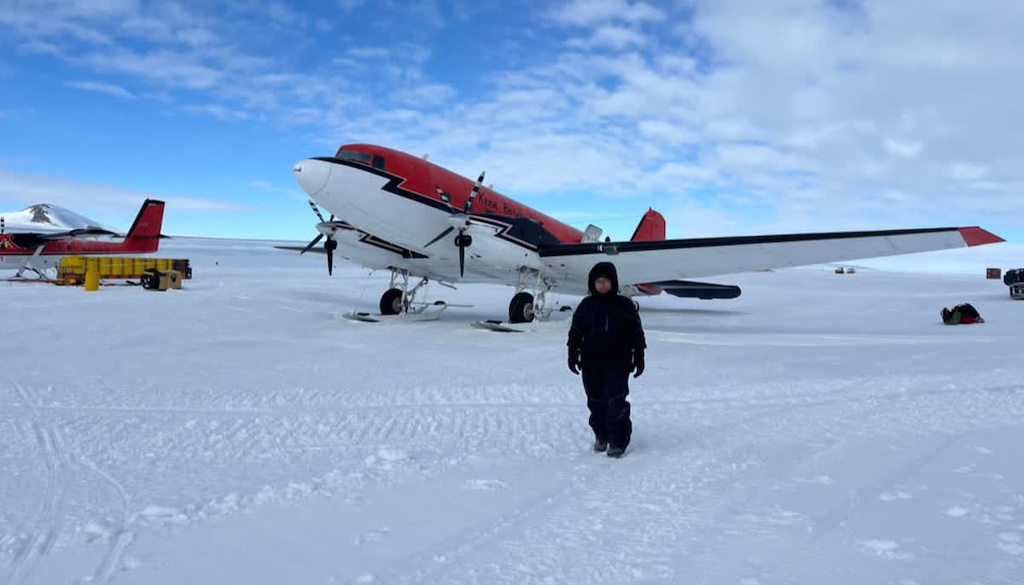
Gupta is part of the 45th Indian Scientific Expedition to Antarctica, a 52-member team of scientists, technical experts, logistics personnel and medical staff sent to the southernmost continent. In the process, she has become the first woman from Bihar—and the first woman from the IMD—to reach Antarctica.
“When I joined the department, on my very first day, I read about previous Antarctic missions,” Gupta said before departing. “At that moment, I decided that one day I would definitely go there. Seeing that icy world, which I had only known from books, now with my own eyes feels like a dream coming true.”

That dream was not easily realised. Selection for an Antarctic mission is among the most demanding processes in Indian scientific service. Candidates must clear multiple rounds of screening, beginning with rigorous physical and psychological evaluations at AIIMS, New Delhi. The mental test, Gupta noted, is as significant as the physical one: those selected must be prepared to live for nearly a year in isolation, far from family and society.
This is followed by a month-long training programme at the Indo-Tibetan Border Police’s Mountaineering and Skiing Institute in Auli, where candidates learn survival techniques for extreme cold, snowbound terrain and high altitudes. The final stage includes specialised departmental training focused on operating scientific equipment and managing emergencies in polar conditions.
View this post on Instagram
“Life in Antarctica during winter is extremely difficult,” Gupta said. “There is intense cold, long periods of darkness, limited resources and almost complete isolation. Patience, discipline and teamwork are essential.”
Antarctica is the coldest, driest and windiest continent on Earth, with temperatures ranging from around zero degrees Celsius in summer to a record low of –89°C in winter. Nearly 98% of its surface is buried under ice sheets up to 2.5 kilometres thick. There is no indigenous human population, and under the Antarctic Treaty of 1959, the continent is reserved exclusively for peaceful scientific research, with military activity strictly prohibited.
Indian expeditions focus on areas such as climate change, atmospheric science, biology and astronomy—research that increasingly feeds into global understanding of environmental change. As a meteorologist, Gupta’s work contributes to that broader effort.
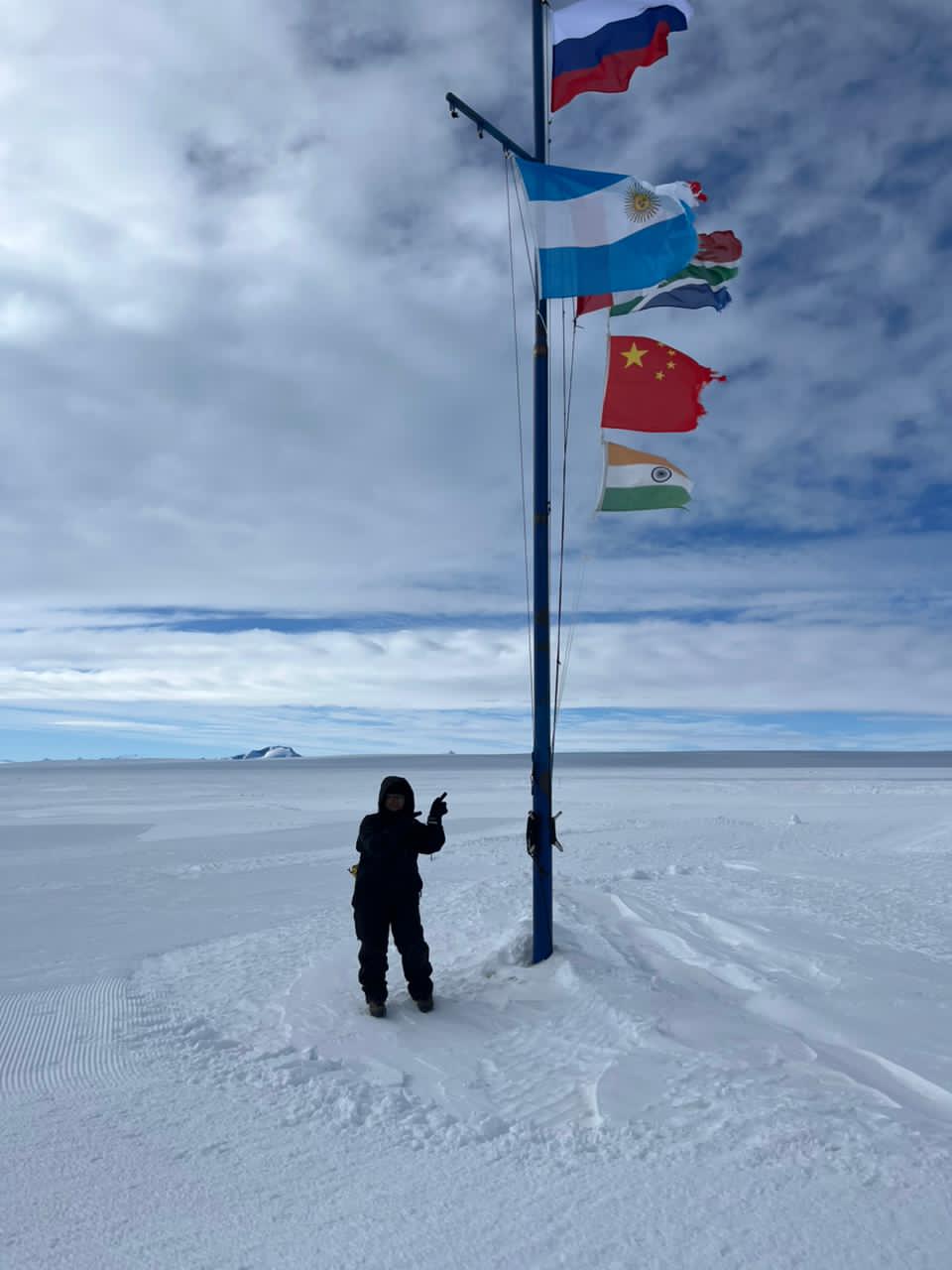
For her, the significance of the journey extends beyond science. “Stepping into this challenging field as a woman is not just a personal achievement,” she said. “It is a message to other women that no dream is impossible.”
Gupta credits her family, her husband, the IMD and her own perseverance for helping her reach this point. Her goal now, she says, is to fulfil her responsibilities in Antarctica with complete dedication—and to ensure that her journey from Biharsharif to the White Continent encourages other young women to imagine lives beyond conventional boundaries.
“It is not gender that matters,” she said, “but determination and capability.”