Patna/Samastipur: Bihar has entered the new year in the grip of an intense cold wave and dense fog, with Samastipur recording its lowest temperature in 27 years as freezing winds swept across the state.

According to the meteorological department at Dr Rajendra Prasad Central Agricultural University, the minimum temperature in Samastipur dropped to 3.8°C, nearly 6 degrees below normal, marking the coldest day since 1998. The sharp fall in temperature has been attributed to persistent cold north-westerly winds.
Several other districts also reported unusually low temperatures. Gaya recorded a minimum of 6.3°C, while Aurangabad and Arwal registered 6.6°C. Over the past 24 hours, Siwan emerged as the coldest district, with temperatures plunging to 5.8°C.

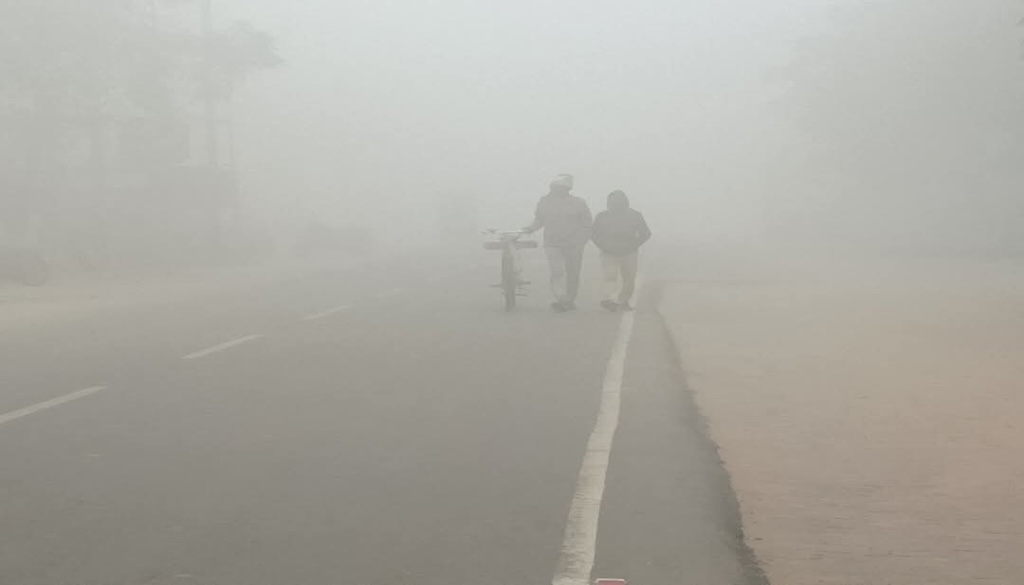
Dense fog has further compounded conditions across the state. Patna, Jehanabad, Begusarai, Bhagalpur and Khagaria, along with several other districts, remained shrouded in thick fog, reducing visibility to less than 10 metres in many areas and disrupting road and rail traffic.
The India Meteorological Department (IMD) has issued an orange alert for cold-day conditions and fog across all 38 districts of Bihar, warning that relief is unlikely before 5 January. Meteorologists have predicted a further drop of 2–3°C in minimum temperatures in several regions over the coming days.
In its January outlook, the weather office said cold-wave conditions would persist in at least 14 districts, including West and East Champaran, Gopalganj, Siwan, Saran, Bhojpur, Buxar, Rohtas, Kaimur, Gaya, Aurangabad, Nawada, Arwal, and Jehanabad. Other parts of the state are expected to experience milder but sustained cold.
While maximum temperatures in January are likely to remain slightly above average, minimum temperatures are forecast to stay below normal. The IMD estimates daytime temperatures between 21°C and 23°C, with nighttime lows ranging from 9°C to 12°C across much of Bihar.
Authorities have advised residents to take precautions, particularly during early morning and night hours, as cold and foggy conditions continue to pose risks to health and transportation.